
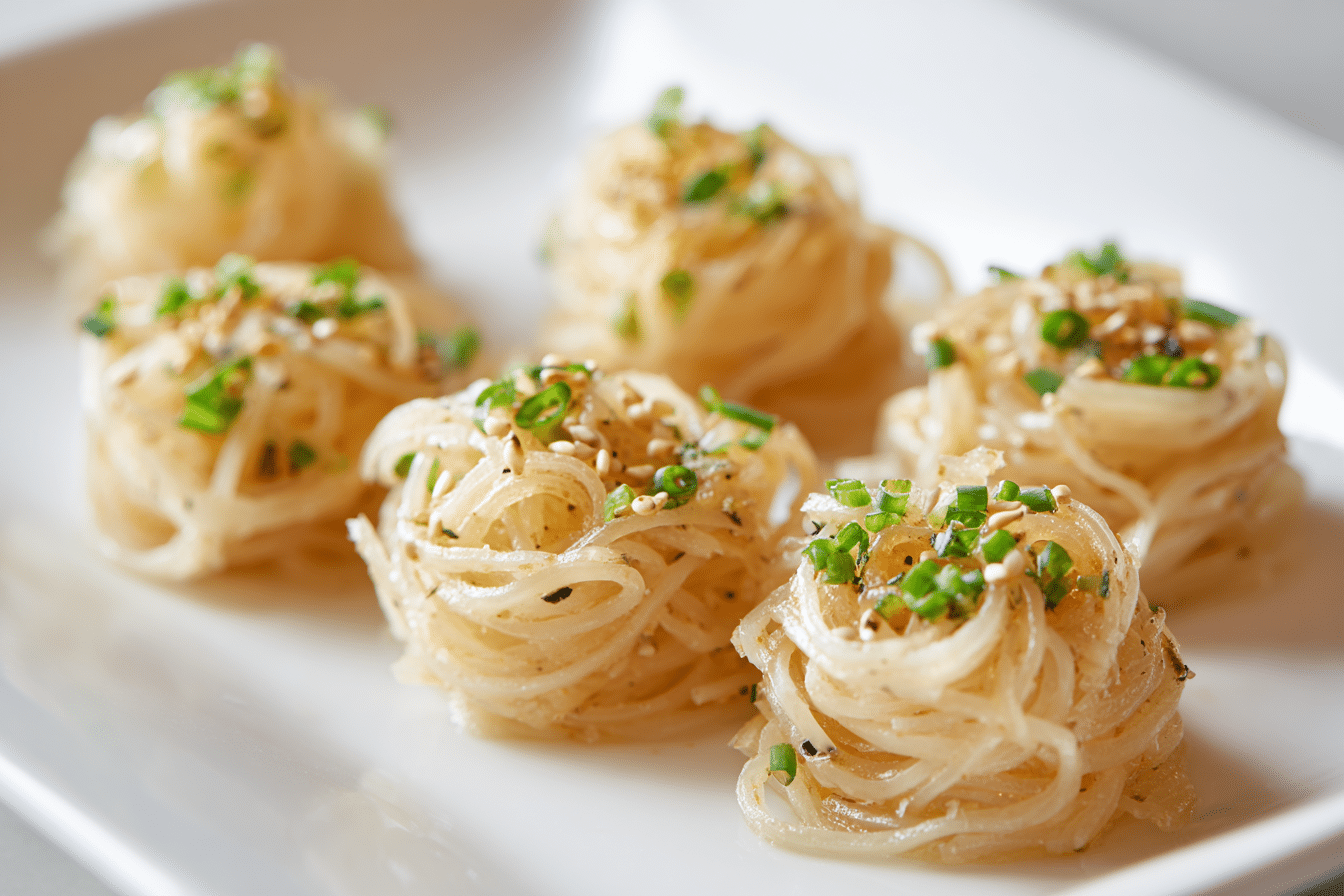
Easy Potato Noodles are a simple and satisfying dish inspired by Eastern European and Asian noodle traditions, where starchy doughs are shaped into thick, chewy strands and cooked until tender. These noodles, made primarily from mashed potatoes and flour, are pillowy soft with just the right amount of bite — ideal for tossing with butter, garlic, or savory sauces.
Whether you know them as gnocchi-style noodles, Korean potato noodles, or a homemade take on spaetzle, this recipe offers a comforting and affordable alternative to store-bought pasta. They’re naturally vegetarian, can be made gluten-free, and require only a few pantry staples.
Perfect for a cozy dinner, a side dish, or even pan-fried leftovers, these noodles are versatile, hearty, and fun to make.
Ingredients Overview
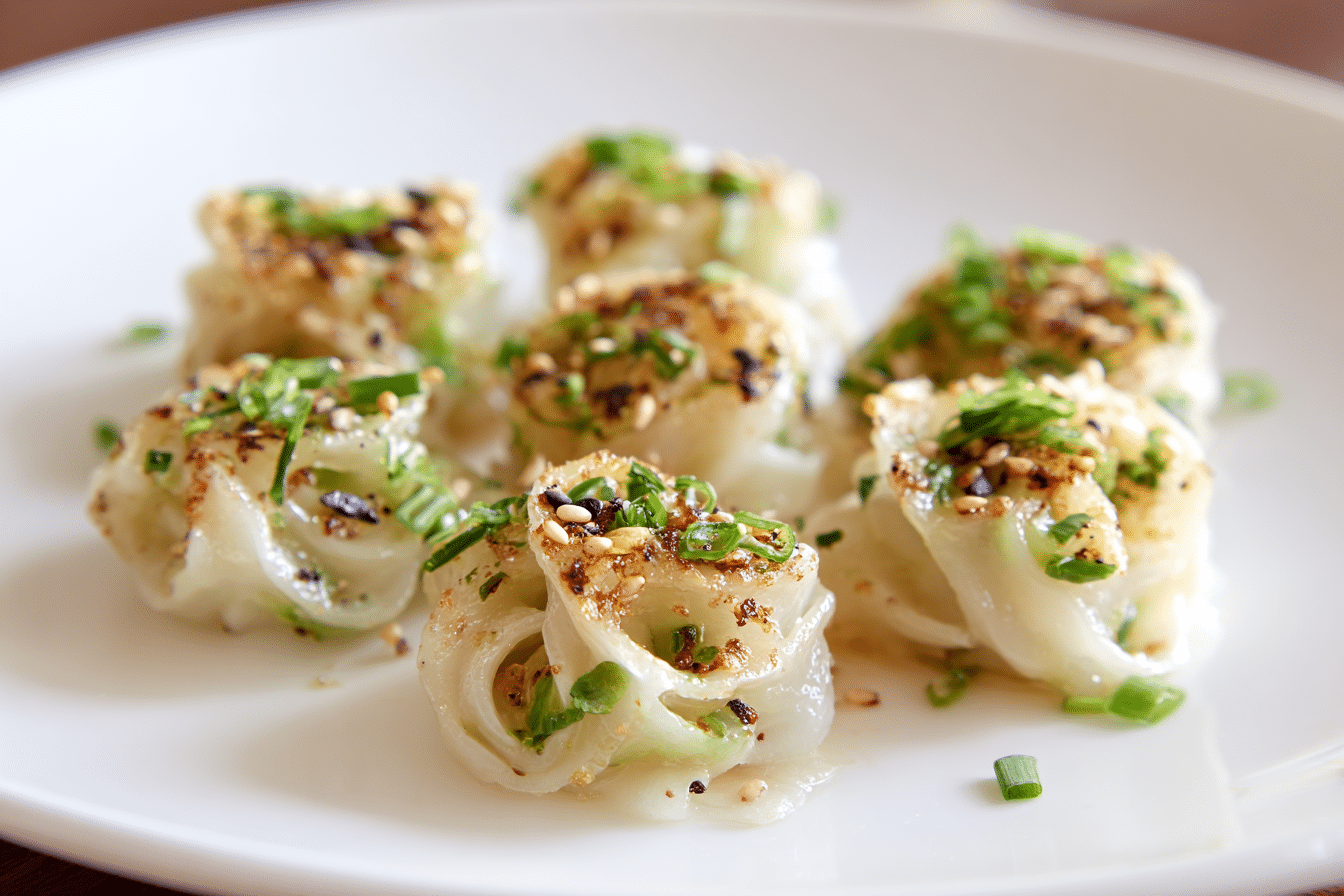
The beauty of Potato Noodles lies in their simplicity. Here’s a breakdown of what you’ll need and how each ingredient contributes.
Potatoes
-
Starchy potatoes like Russets or Yukon Gold are best — they create a smooth, dry mash that holds its shape when formed into noodles.
-
Avoid waxy potatoes like red potatoes; they can make the dough too sticky.
Flour
-
All-purpose flour is used to bind the mashed potatoes into a soft dough.
-
For gluten-free versions, use a 1:1 gluten-free flour blend or potato starch (especially for Korean-style noodles).
Egg (Optional)
-
Adding 1 egg yolk makes the dough more pliable and gives the noodles a richer texture — especially helpful if your potatoes are on the dry side.
-
You can omit the egg for a vegan version or if the dough holds together well without it.
Salt
-
Enhances the natural flavor of the potatoes.
-
Add salt both to the dough and the cooking water for best taste.
Optional Add-ins
-
Garlic powder, grated Parmesan, or chopped herbs (like parsley or chives) can be added to the dough for extra flavor.
-
A small spoonful of melted butter adds richness.
Step-by-Step Instructions
1. Cook and Mash the Potatoes
Peel and cube 2 large Russet potatoes. Boil in salted water until fork-tender, about 12–15 minutes.
Drain and mash until completely smooth — a ricer or food mill works best. Let the mash cool slightly before adding other ingredients.
Tip: Moisture is the enemy of good potato noodles. Avoid overboiling and let the mash steam off excess moisture before mixing.
2. Make the Dough
In a large bowl, combine mashed potatoes, salt, and flour. Start with about ¾ cup of flour per 1 cup of mash.
Add the egg yolk if using, and mix until a soft dough forms. The dough should be smooth, not sticky, and easy to handle.
Lightly knead the dough on a floured surface until cohesive — avoid over-kneading, which can make the noodles tough.
3. Shape the Noodles
Divide the dough into sections and roll each into a rope about ½ inch thick.
Cut into 1–2 inch pieces. You can leave them rustic, roll into logs, or press gently with a fork for texture.
For thinner noodle styles, roll and slice into ribbons or strips.
4. Boil the Noodles
Bring a large pot of salted water to a boil. Drop the noodles in batches and cook for 2–3 minutes, or until they float to the top.
Use a slotted spoon to transfer them to a plate or skillet.
Optional step: Pan-fry boiled noodles in butter or olive oil until golden and crisp on the edges.
5. Serve as Desired
Toss your freshly cooked potato noodles with:
-
Brown butter and sage
-
Garlic and olive oil
-
Marinara or pesto
-
Grated cheese and cracked black pepper
Or stir into soups, stews, or creamy mushroom sauces.
Tips, Variations & Substitutions
-
Too sticky? Add more flour 1 tablespoon at a time, but don’t overdo it — too much flour makes the noodles dense.
-
Make ahead: Shape noodles and refrigerate for up to 24 hours or freeze on a baking sheet, then transfer to a bag.
-
Gluten-free version: Use potato starch or a gluten-free flour blend.
-
Pan-fried finish: After boiling, sauté noodles in butter or oil for crispy edges.
-
Add-ins: Chopped spinach, finely grated zucchini (squeezed dry), or mashed sweet potatoes can be folded into the dough for flavor and color.
Serving Ideas & Occasions
Potato Noodles are comforting and versatile — perfect for:
-
Weeknight dinners tossed with sauce and a protein like sausage or tofu
-
Holiday sides instead of traditional mashed potatoes or pasta
-
Comfort food bowls with sautéed onions, garlic, and cheese
-
Brunch or breakfast, pan-fried and topped with eggs
Pair them with:
-
Roasted meats or meatballs
-
Grilled mushrooms or roasted vegetables
-
A rich tomato sauce or creamy Alfredo
-
Fresh herbs and lemon zest for a spring twist
Nutritional & Health Notes
Potato noodles are naturally:
-
Low in fat
-
High in complex carbs for energy
-
Easily vegan-friendly and gluten-free with small substitutions
Compared to store-bought pasta, they’re more filling due to the potato base and pair well with fiber-rich veggies for a balanced meal.
If you’re watching carbs, enjoy them in smaller portions or balance with a side salad or lean protein.
FAQs
Q1: Can I make potato noodles ahead of time?
Yes. You can shape the noodles and refrigerate for up to 24 hours. For longer storage, freeze them uncooked on a tray until solid, then transfer to a bag. Cook from frozen — just add 1–2 extra minutes to the boiling time.
Q2: Why is my dough too sticky?
Sticky dough usually means your mashed potatoes are too wet. Let the mash cool and steam off moisture. Add flour gradually until the dough is smooth but still soft. Avoid adding too much or the noodles will be tough.
Q3: Can I make this recipe vegan?
Absolutely. Skip the egg and use a little more flour to bind the dough. The texture will still be tender and chewy.
Q4: What sauces go best with potato noodles?
Try:
-
Garlic butter and herbs
-
Brown butter and sage
-
Pesto or creamy Alfredo
-
Tomato-based sauces
-
Soy sauce, sesame oil, and scallions for an Asian twist
Q5: Can I use sweet potatoes?
Yes. Use mashed sweet potatoes instead of regular ones for a sweeter, earthier flavor. You may need slightly more flour due to the moisture content.
Q6: Can I fry the noodles after boiling?
Yes, and it’s delicious! After boiling, let them dry slightly, then fry in butter or oil until crispy and golden. Add garlic, onions, or cheese for extra flavor.
Q7: Are these the same as gnocchi?
Similar, but not exactly. Potato noodles are usually longer and less shaped than gnocchi, which are smaller and often rolled on a fork. The dough is very similar — some people refer to these as “rolled gnocchi noodles.”
Print
Soft, chewy noodles made from mashed potatoes and flour — a quick, comforting dish perfect for tossing with your favorite sauce or pan-frying until golden.
- Prep Time: 15 minutes
- Cook Time: 15 minutes
- Total Time: 30 minutes
- Yield: 4 servings 1x
Ingredients
-
2 large Russet potatoes, peeled and cubed
-
¾–1 cup all-purpose flour
-
1 egg yolk (optional)
-
½ tsp salt
-
Optional: garlic powder, grated cheese, chopped herbs
Instructions
-
Boil potatoes until fork-tender. Drain and mash until smooth. Let cool slightly.
-
Combine mashed potatoes with flour, salt, and egg (if using). Mix into a soft, smooth dough.
-
Divide and roll into ropes. Cut into 1–2 inch pieces or shape as desired.
-
Boil in salted water for 2–3 minutes, until noodles float.
-
Optional: pan-fry in butter or olive oil until golden.
-
Serve with sauce, herbs, or cheese.