
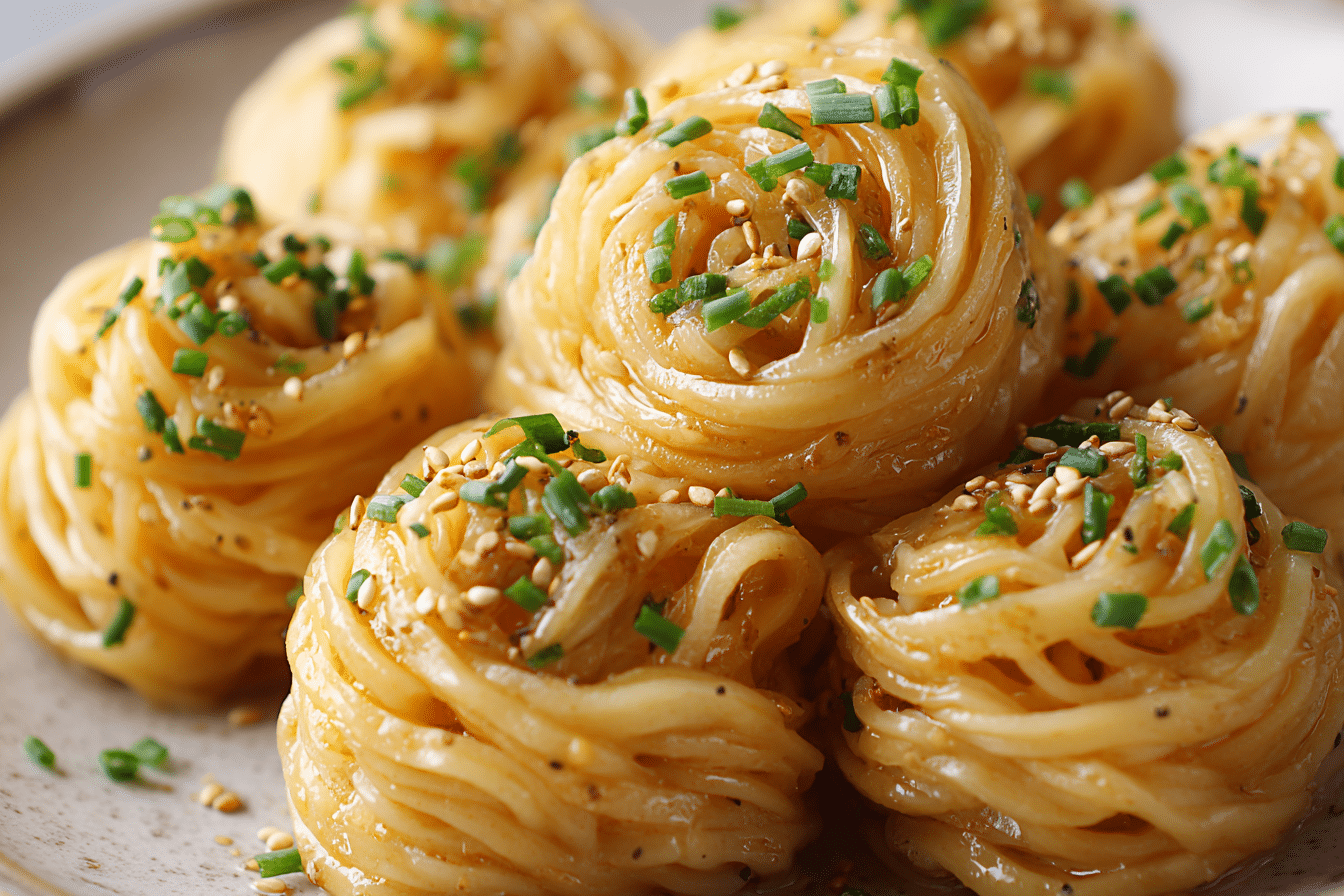
Potato noodles are a delightful, chewy, and gluten-free alternative to traditional wheat-based noodles. Popular in various Asian cuisines — particularly Korean and Chinese — they’re often stir-fried or served in soups, showcasing their springy texture and mild flavor. What makes homemade potato noodles special is their simplicity: made primarily from starchy potatoes, they’re soft yet elastic, tender but with a satisfying bite.
This easy recipe focuses on homemade potato noodles using minimal ingredients and no special equipment. Whether you’re looking for a gluten-free noodle option, a fun kitchen project, or a new side dish to impress, potato noodles are surprisingly accessible and endlessly versatile.
Once cooked, these noodles can be tossed in garlic butter, soy-based sauces, or spicy chili oil for a cozy and customizable dish.
Ingredients Overview
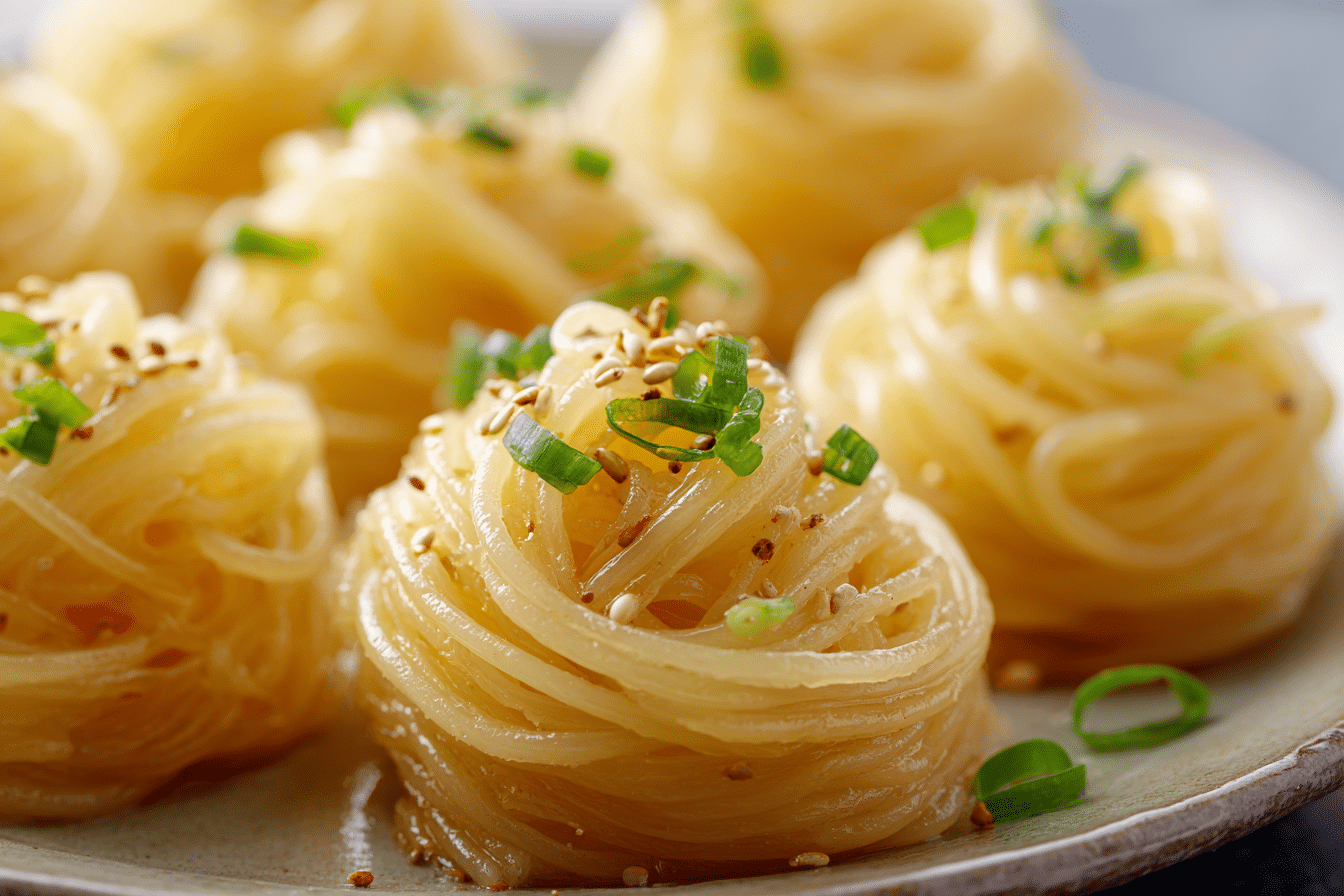
You only need a few ingredients to make potato noodles, but each one plays an important role in achieving the perfect texture — soft, chewy, and pliable.
-
Potatoes: Starchy potatoes like russet or Yukon Gold are best. They’re naturally drier and higher in starch, which helps bind the dough without making it gummy.
-
Potato Starch (or Cornstarch): This is key for achieving the signature chewy texture. Potato starch makes the noodles more elastic and helps hold them together during cooking.
-
Salt: Enhances the overall flavor of the dough.
-
Water: Needed for boiling and sometimes added to adjust dough consistency.
-
Oil or Butter (for serving): Once cooked, toss the noodles in a bit of oil or sauce to prevent sticking and add flavor.
Ingredient Tips:
-
Avoid waxy potatoes like red or new potatoes — they hold too much moisture and may make the dough too soft.
-
Potato starch and cornstarch are not interchangeable in equal quantities — potato starch yields a bouncier result.
-
You can flavor the noodles before shaping with garlic powder, ground pepper, or finely chopped herbs if desired.
Step-by-Step Instructions
Making potato noodles at home is easier than it seems. It’s a simple process that involves boiling, mashing, kneading, shaping, and boiling again.
1. Boil and mash the potatoes
-
Peel and dice 2 large russet potatoes. Boil in salted water until fork-tender, about 15–20 minutes.
-
Drain well and let cool slightly.
-
Mash until completely smooth, with no lumps. You should have about 1 ½ cups of mashed potatoes.
2. Mix with starch and salt
-
In a large bowl, combine the mashed potatoes with ¾ to 1 cup of potato starch and ½ teaspoon of salt.
-
Use your hands to knead into a smooth dough. It should be soft, pliable, and slightly stretchy, not sticky.
3. Shape the noodles
-
Lightly dust your work surface with starch.
-
Divide the dough into small portions and roll each into a rope about ½-inch thick.
-
Cut into 2–3 inch segments for short noodles, or leave as long strands if desired.
-
Optional: Flatten slightly or roll into thin logs depending on your preference.
4. Boil the noodles
-
Bring a pot of water to a gentle boil.
-
Drop in the noodles and cook for 2–3 minutes. They will float when done.
-
Remove with a slotted spoon and transfer to a bowl of cold water to stop the cooking.
5. Drain and toss
-
Drain well and toss immediately with a bit of oil or butter to prevent sticking.
-
Serve hot or use in your favorite stir-fry or soup.
Tips, Variations & Substitutions
-
Make ahead: You can shape the noodles and refrigerate them (dusting with extra starch) for up to 1 day before cooking.
-
Freezing: Lay shaped noodles on a baking sheet, freeze until solid, then transfer to a bag. Cook from frozen.
-
Add-ins: Mix chopped chives, green onions, or garlic powder into the dough for extra flavor.
-
Use in dishes like:
-
Stir-fried noodles with soy sauce and vegetables
-
Brothy noodle soups
-
Tossed in chili crisp or sesame sauce
-
Served cold with dipping sauce in summer
-
-
Low-starch alternative: If you’re short on potato starch, use a 50/50 mix of cornstarch and tapioca starch for a similar effect.
-
Crispy version: After boiling, pan-fry the noodles in oil until golden and crispy on the outside.
Serving Ideas & Occasions
Potato noodles can be served as a standalone dish or paired with proteins and vegetables for a complete meal. Their chewy, satisfying texture makes them an excellent canvas for bold sauces and spices.
Serving suggestions:
-
Toss with garlic butter and scallions for a simple, savory side.
-
Stir-fry with julienned carrots, bell peppers, and mushrooms.
-
Add to miso or chicken broth with soft-boiled eggs and greens.
-
Serve cold with sesame-soy dressing and cucumbers for a refreshing noodle salad.
Perfect for:
-
Meatless meals
-
Gluten-free diets
-
Meal prep and leftovers (they reheat well)
-
Kids and picky eaters — the chewy texture is a hit
Nutritional & Health Notes
Potato noodles are naturally gluten-free and vegetarian, making them suitable for many dietary needs. They’re starchy and filling but can be part of a balanced meal when paired with vegetables and protein.
-
Carbs: Primarily from potatoes and starch — provides energy.
-
Fat: Minimal unless added during cooking.
-
Protein: Low, so pair with tofu, eggs, or meat for a complete meal.
-
Fiber: Potatoes offer small amounts of fiber, especially if skins are left on (not common for this recipe).
For a lighter version:
-
Keep serving sizes moderate.
-
Pair with fresh greens or a lean protein.
-
Use minimal oil in stir-fries.
FAQs
Q1: Can I make potato noodles without potato starch?
A1: Potato starch is essential for the chewy texture. Cornstarch or tapioca can be used in part, but results may vary. Potato flour is not a substitute.
Q2: Why is my dough too sticky or too dry?
A2: If it’s sticky, add more starch a tablespoon at a time. If it’s too dry or cracking, add a few drops of water or a touch more mashed potato.
Q3: Can I bake the potato noodles instead of boiling them?
A3: These noodles must be boiled first to set their texture. However, you can pan-fry or bake them after boiling for crispy edges.
Q4: How long do homemade potato noodles last?
A4: Boiled noodles can be refrigerated for 3–4 days. Reheat by sautéing or microwaving with a splash of water.
Q5: Are these noodles gluten-free?
A5: Yes! As long as you use pure potato starch (and no wheat-based flour), they are naturally gluten-free.
Q6: Can I add color or flavor to the dough?
A6: Yes! Add pureed spinach, carrot, or beet juice for natural coloring. You can also mix in garlic powder, black pepper, or herbs.
Q7: What’s the texture like compared to wheat noodles?
A7: Potato noodles are softer and chewier, with a springy bite similar to rice cakes or Korean sweet potato noodles (dangmyeon).
These Easy Potato Noodles are soft, chewy, and gluten-free, made with just a few pantry ingredients. Serve stir-fried, in soup, or with your favorite sauce.
- Prep Time: 15 minutes
- Cook Time: 15 minutes
- Total Time: 30 minutes
- Yield: 4 servings 1x
Ingredients
-
2 large russet potatoes (about 1½ cups mashed)
-
¾–1 cup potato starch (plus more for dusting)
-
½ tsp salt
-
Water, for boiling
-
Oil or butter, for serving
Instructions
-
Peel, dice, and boil potatoes until fork-tender. Drain and mash until smooth.
-
In a bowl, combine mashed potatoes with starch and salt. Knead until smooth and elastic.
-
Divide dough and roll into ropes. Cut into short noodles or shape as desired.
-
Bring a pot of water to a boil. Add noodles and cook 2–3 minutes until they float.
-
Transfer to cold water to stop cooking. Drain and toss with oil.
-
Serve warm or use in stir-fries, soups, or cold salads.