
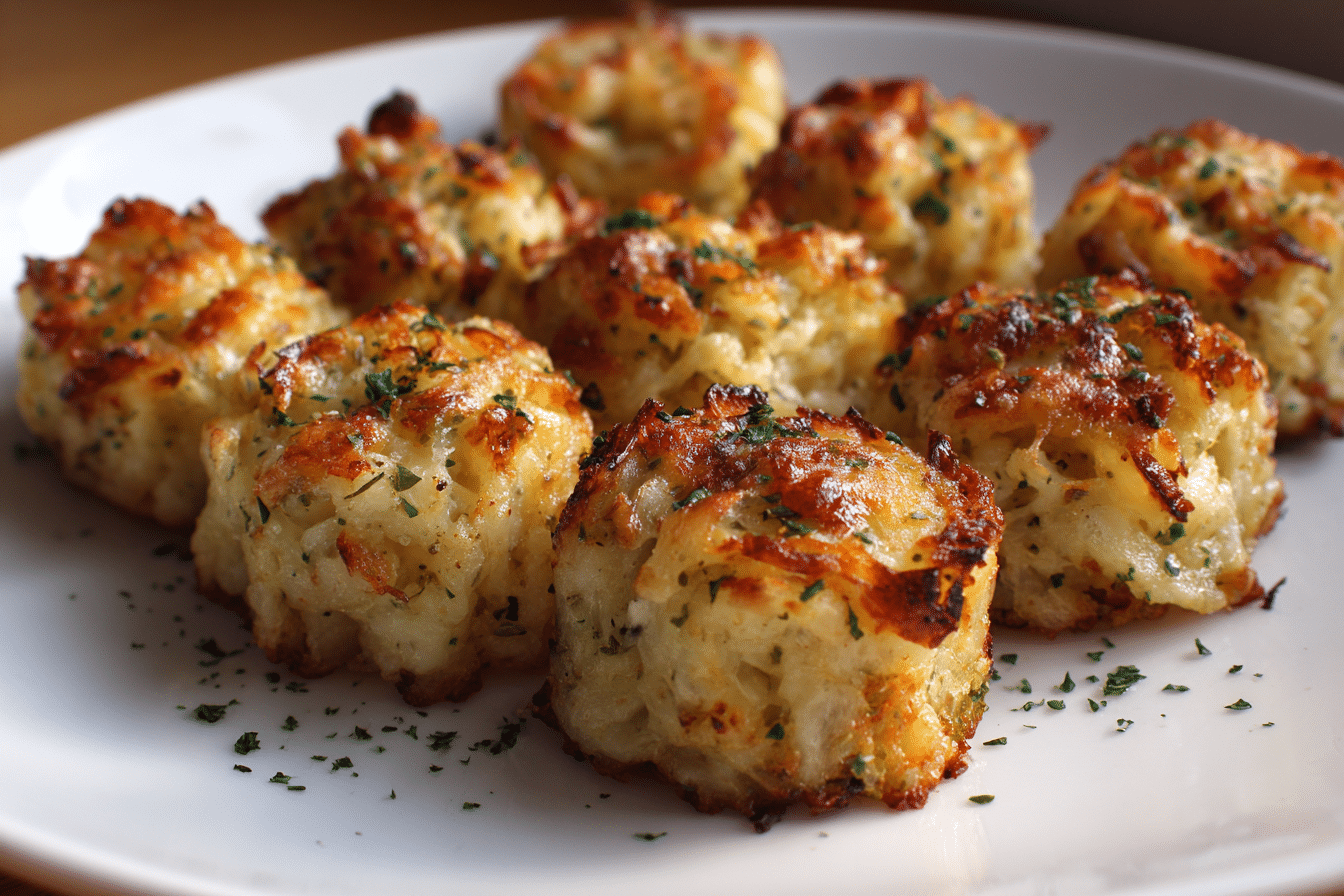
Frika — sometimes spelled frica or frička — is a humble yet incredibly satisfying dish from the mountainous regions of northeastern Italy and Slovenia, especially around Friuli and the Slovenian border. At its core, Frika is a pan-fried potato and cheese hash — golden and crispy on the outside, soft and melty within. It’s hearty, rustic, and utterly crave-worthy.
Originally a peasant dish meant to stretch simple pantry staples, Frika combines grated or thinly sliced potatoes with sharp, melty cheese, cooked slowly until crisp and caramelized. Traditionally served as a standalone meal or with polenta and sauerkraut, it’s now beloved across generations as comfort food with rich alpine flavor.
Whether you’re cozying up on a cold day or looking for an easy brunch or dinner idea, this one-pan potato and cheese hash hits every satisfying note: crispy, cheesy, golden, and deeply savory.
Ingredients Overview
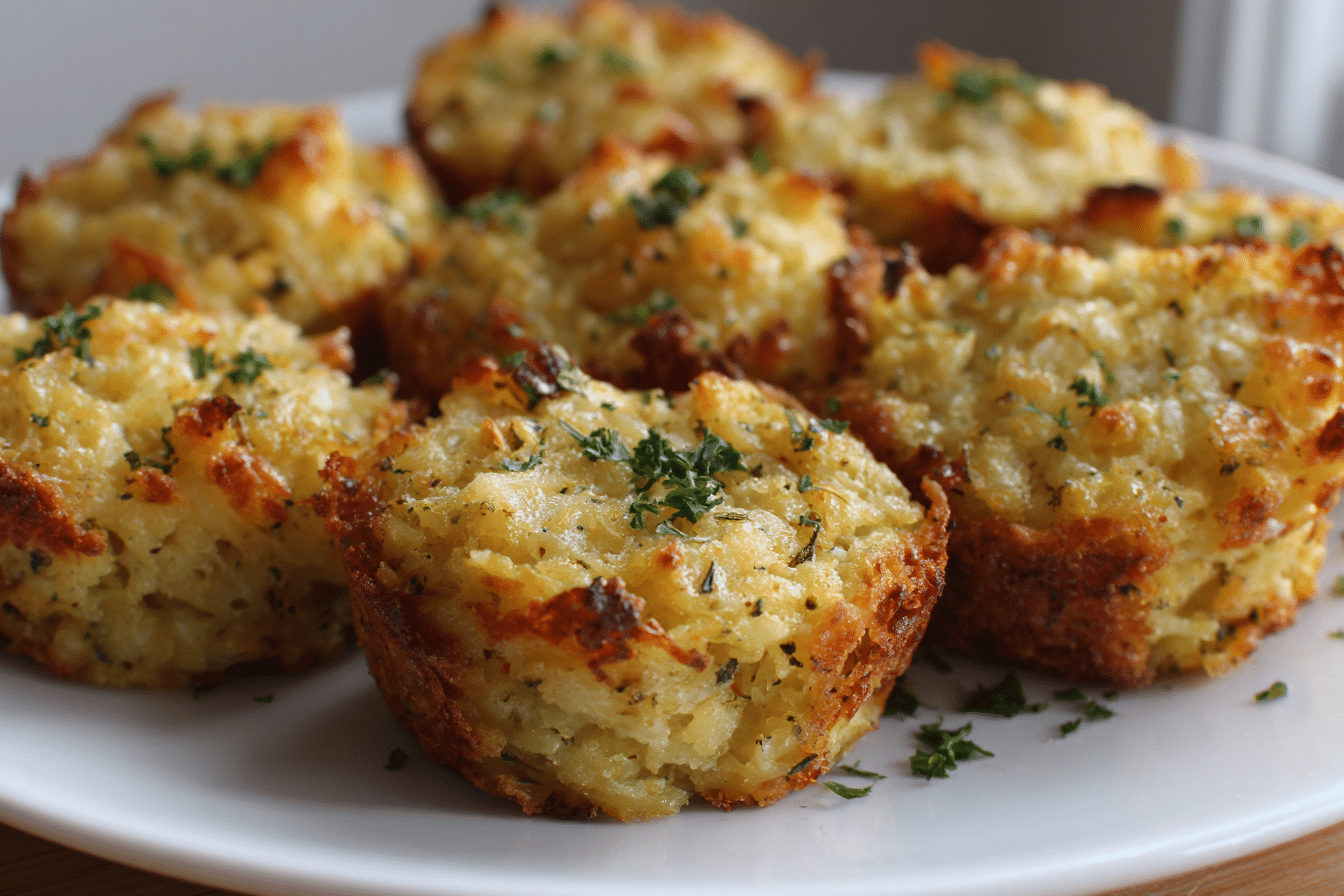
This dish thrives on simplicity. With just a few core ingredients, quality and technique make all the difference.
-
Potatoes: Waxy or all-purpose potatoes like Yukon Gold work best — they hold their shape but still become tender. Russets can be used for a more hashbrown-like texture, but may be drier.
-
Cheese: Traditionally, Frika is made with Montasio cheese, a semi-hard cow’s milk cheese from Italy. If you can’t find it, use a mix of sharp cheeses like aged cheddar, Asiago, Fontina, or even mozzarella for meltiness. A blend often yields the best flavor and texture.
-
Butter or Oil: A generous layer of fat helps crisp the bottom and edges. Butter adds flavor, while olive oil is more traditional and gives the dish a golden crust.
-
Salt and Pepper: Simple seasoning lets the cheese and potatoes shine.
Optional Additions
-
Onion: Thinly sliced or grated onion adds sweetness and depth — a common variation.
-
Garlic: A small clove, finely grated, enhances the savory base.
-
Herbs: Chives or thyme can be stirred in for an aromatic twist.
-
Egg (modern adaptation): Some versions include a beaten egg to help bind the mixture, though it’s not traditional.
Cheese Tips
-
Grate It Fresh: Pre-shredded cheese often contains anti-caking agents and doesn’t melt as smoothly.
-
Flavor Matters: Use a sharp or aged cheese for bold flavor. A young cheese like mozzarella provides stretch, while aged cheese like Gruyère or Parmigiano gives richness.
Step-by-Step Instructions
-
Prep the Potatoes:
Peel and coarsely grate 3 medium potatoes. Place them in a clean kitchen towel and squeeze out as much moisture as possible. This is key for a crispy result. -
Grate the Cheese:
Grate about 1 to 1½ cups of your chosen cheese(s). Mix with the potatoes in a large bowl and season with salt and black pepper. -
Heat the Pan:
In a nonstick or well-seasoned cast iron skillet, heat 2 tablespoons of olive oil or butter over medium heat. Once hot, add the potato and cheese mixture, pressing it gently into an even layer. -
Cook Until Golden:
Let the Frika cook undisturbed for 8–10 minutes. The bottom should be golden brown and forming a crust. Reduce heat slightly if browning too quickly. -
Flip Carefully:
Use a spatula to check if the bottom is crisp. When ready, place a large plate over the skillet, invert the Frika onto the plate, then slide it back into the pan to cook the other side. Add more oil or butter if needed. -
Cook the Second Side:
Cook for another 6–8 minutes until both sides are golden and crispy, and the cheese is melted inside. -
Rest and Slice:
Remove from the pan and let rest for 2 minutes before slicing into wedges. Serve warm.
Chef’s Tips
-
Use a well-seasoned cast iron pan or a nonstick skillet to prevent sticking.
-
Don’t rush the crust — let it develop undisturbed for best flavor and texture.
-
A thin Frika gets crispier, while a thicker one will have a soft, cheesy center.
Tips, Variations & Substitutions
Cooking Tips
-
Moisture Is the Enemy: Always squeeze grated potatoes well before cooking.
-
Low and Slow: Gentle heat ensures the inside melts while the outside crisps.
-
Double Cheese: For extra indulgence, layer half the potato mixture, add a layer of cheese, then top with remaining potatoes.
Flavor Variations
-
Add Onion: Sauté thinly sliced onion before adding the potato mixture.
-
Bacon or Speck: Add crispy bits of cured pork for a salty, smoky twist.
-
Herbed Frika: Add fresh chopped herbs like rosemary, thyme, or parsley.
-
Garlic Frika: Mix in a little grated garlic for deeper savory notes.
Dietary Adjustments
-
Vegetarian: Most versions are naturally vegetarian — just check your cheese.
-
Gluten-Free: Naturally gluten-free — no flour or binders required.
-
Dairy-Free: This one’s tough to adapt authentically, but you can try a dairy-free shredded cheese blend that melts well (like coconut oil-based alternatives).
Serving Ideas & Occasions
Frika is incredibly versatile — hearty enough for dinner, but simple enough for brunch.
-
Serve with a fried or poached egg on top for a satisfying breakfast-for-dinner.
-
Pair with a crisp green salad or braised greens for a lighter contrast.
-
Make it a side dish for roasted meats, sausages, or grilled mushrooms.
-
Enjoy with polenta, sauerkraut, or crusty bread for a rustic, regional-style meal.
Great for cold nights, weekend brunch, or anytime you want something crispy, cheesy, and filling. It reheats well in a skillet or toaster oven.
Nutritional & Health Notes
Frika is a rich, energy-dense dish — perfect for cold-weather fuel. The combination of potatoes and cheese offers a balance of:
-
Carbohydrates from potatoes for sustained energy.
-
Protein and fat from cheese for satiety and flavor.
For a lighter version, use less cheese, add grated vegetables like zucchini or carrots, or serve with a vinegary salad to balance the richness.
While indulgent, it’s also naturally gluten-free and made from whole, recognizable ingredients.
FAQs
Q1: Can I make Frika ahead of time?
A1: Yes! Cooked Frika can be cooled, wrapped, and refrigerated for up to 3 days. Reheat in a skillet over low heat until warm and crisp. It’s also freezer-friendly — slice and freeze, then reheat directly in the pan.
Q2: What’s the best cheese for Frika?
A2: Montasio is traditional, but any melty, flavorful cheese works. Sharp cheddar, Asiago, Fontina, Gruyère, or even a bit of mozzarella for stretch are all excellent options.
Q3: Can I bake Frika instead of frying?
A3: Frika is traditionally pan-fried for its signature crust, but you can bake it in a greased cast iron skillet at 400°F (200°C) for 25–30 minutes. Finish under the broiler for a crispy top.
Q4: Can I make Frika without peeling the potatoes?
A4: Yes, as long as the skins are thin and clean. Leaving the skins on adds texture and nutrients, though the texture will be slightly more rustic.
Q5: What kind of pan should I use?
A5: A well-seasoned cast iron skillet or a nonstick frying pan is best. Avoid stainless steel, which may cause sticking unless extremely well-oiled and managed carefully.
Q6: How do I keep it from falling apart when flipping?
A6: Make sure the bottom is deeply golden before attempting to flip. Use a large plate or lid to invert it like a frittata, then slide it back into the pan. Let it rest a few minutes before cutting to help it set.
Q7: Is Frika similar to Rösti or Hash Browns?
A7: Yes, Frika is similar to Rösti and hash browns in technique but richer due to the cheese. It has more body and flavor from the cheese integration and can stand alone as a meal rather than just a side.
Print
Frika is a rustic potato and cheese hash from northeastern Italy and Slovenia — golden and crispy on the outside, soft and melty inside. This one-pan dish is cozy, satisfying, and naturally gluten-free.
- Prep Time: 15 minutes
- Cook Time: 15 minutes
- Total Time: 30 minutes
- Yield: 4 servings 1x
Ingredients
-
3 medium Yukon Gold potatoes, peeled and grated
-
1½ cups grated Montasio, cheddar, or cheese blend
-
2 tbsp butter or olive oil
-
Salt and pepper to taste
-
Optional: ½ small onion (grated), herbs, garlic
Instructions
-
Grate and squeeze potatoes dry.
-
Mix with grated cheese, salt, pepper, and optional onion/herbs.
-
Heat butter/oil in a skillet over medium heat.
-
Add mixture and press into an even layer.
-
Cook 8–10 minutes until bottom is golden.
-
Flip using a plate, then cook second side 6–8 minutes.
-
Rest for 2 minutes, slice into wedges, and serve.