
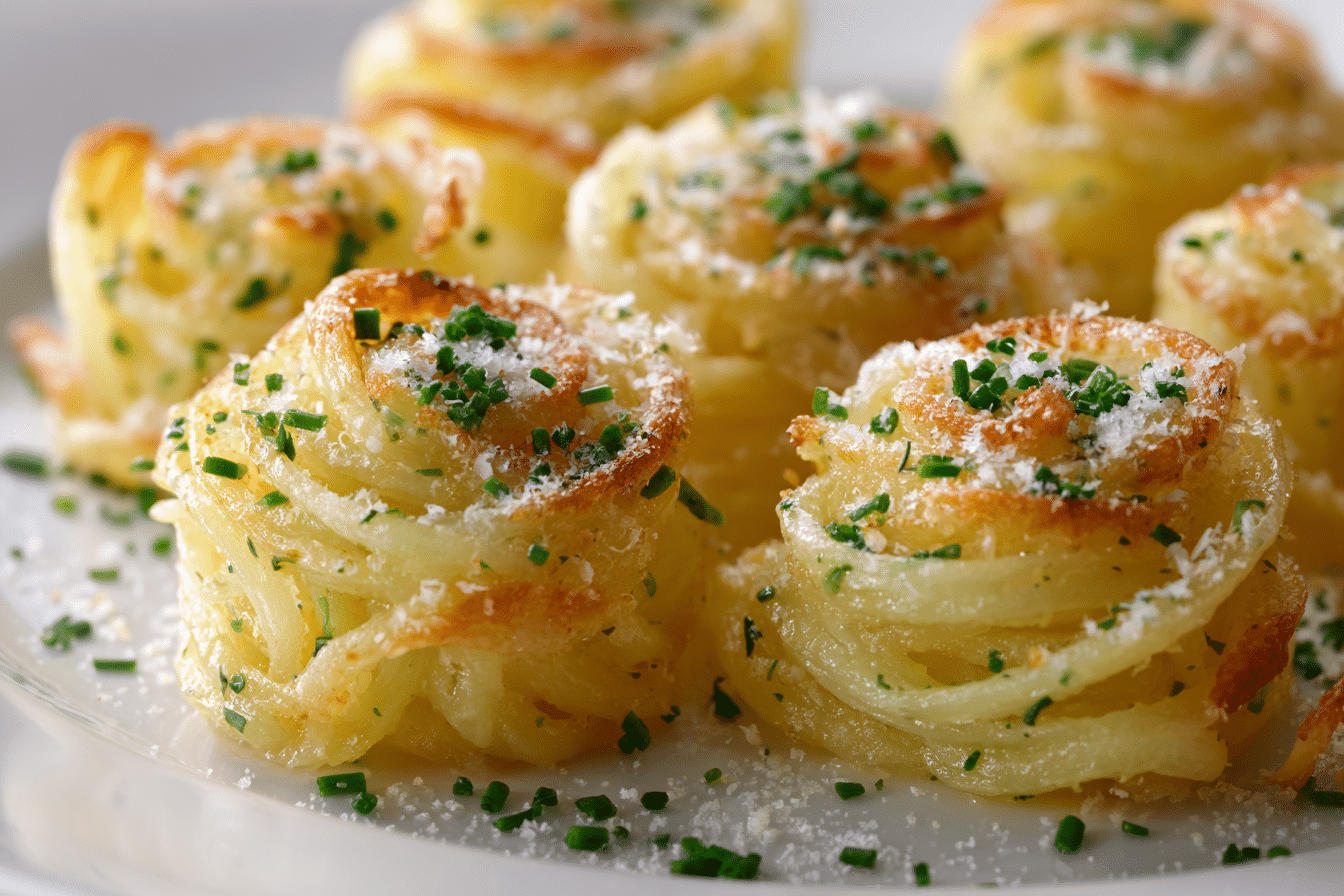
If you’re in the mood for something cozy, chewy, and simple to make, potato noodles are the perfect dish to try. Found in various cuisines—from Korean kitchens to Eastern European comfort food—these noodles are known for their soft texture and mild flavor that works with a wide variety of sauces and toppings.
Using just a few ingredients, potato noodles are naturally gluten-free and come together with ease. Whether you prefer to roll them out and slice them into ribbons or pipe them for a more uniform shape, this is a fun, hands-on recipe that’s great for beginners and experienced cooks alike.
What makes these noodles special is their texture: slightly bouncy, tender, and satisfying in every bite. Once you learn how to make them, you’ll find endless ways to enjoy them—from stir-fries to soups to simply tossed in garlic oil.
Ingredients Overview
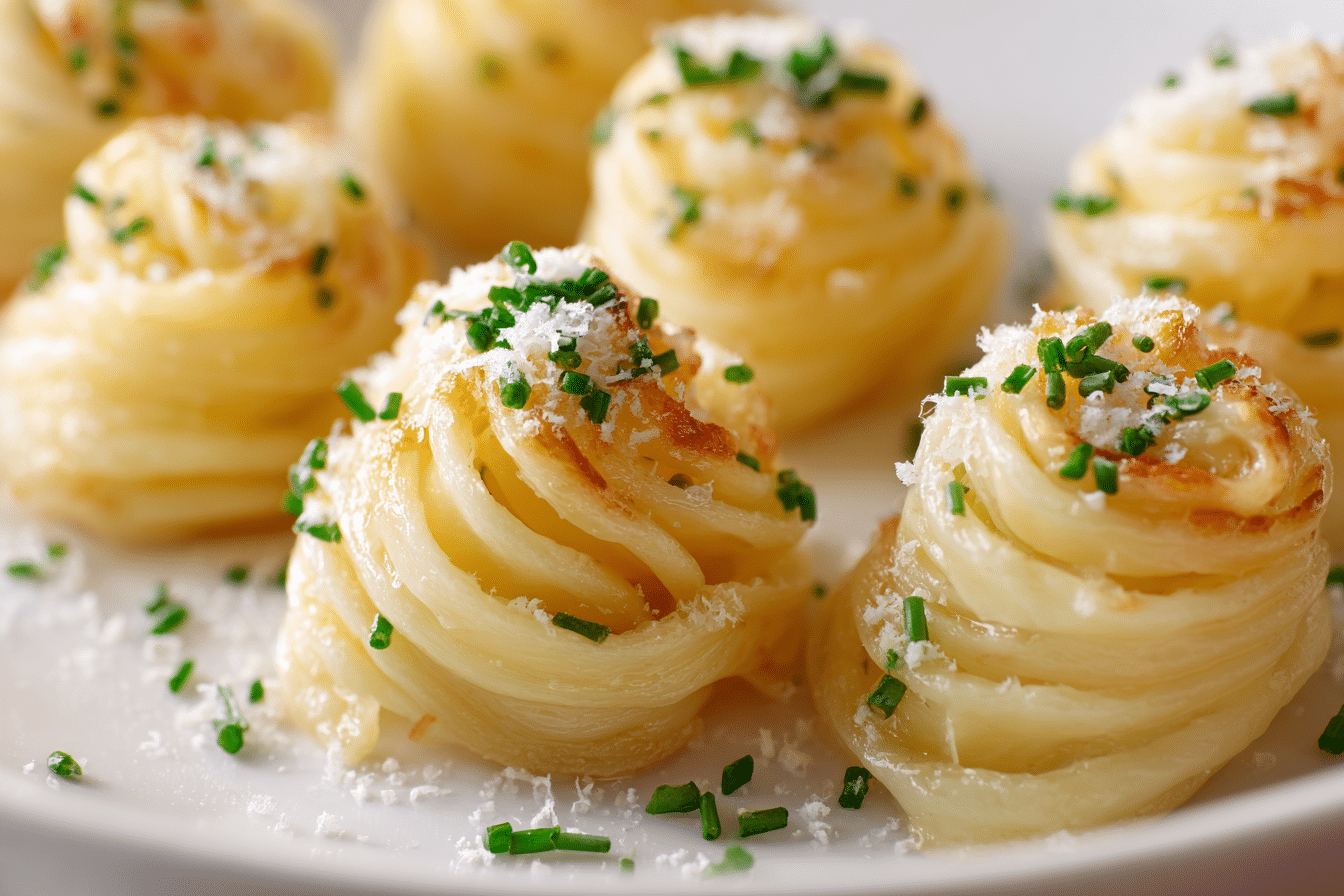
Though the ingredient list is short, each component plays a crucial role in the texture and flavor of these noodles. Here’s what you’ll need and how to get the best results:
-
Starchy Potatoes: Varieties like Russet or Yukon Gold are ideal. Their high starch content helps create a smooth, cohesive dough without needing too much flour or starch.
-
Potato Starch or Cornstarch: This replaces traditional flour, binding the mashed potatoes and giving the noodles their signature chewiness. Potato starch yields a firmer, more elastic noodle, while cornstarch makes them softer.
-
Salt: Just enough to enhance the flavor of the dough.
-
Warm Water (optional): A splash can help bring the dough together if it feels too dry.
-
Oil or Butter (optional): Used after cooking to coat the noodles and prevent them from sticking together.
Ingredient Tips and Substitutions
-
For gluten-free noodles, avoid using wheat flour. Stick to potato starch, cornstarch, or even rice flour.
-
Low-carb variation: Swap out part of the potatoes for steamed and mashed cauliflower. The flavor and texture will change, but it still works as a noodle base.
-
Color options: Add beet or spinach puree for naturally tinted dough.
-
Avoid frozen mashed potatoes: Freshly cooked and mashed potatoes deliver the best taste and texture.
Step-by-Step Instructions
Making potato noodles from scratch is straightforward, and you don’t need any fancy tools. Here’s a step-by-step guide to help you get perfect results:
Step 1: Boil and Mash the Potatoes
-
Peel and dice two large potatoes.
-
Boil them in salted water until very soft (about 15 minutes).
-
Drain the potatoes thoroughly and mash while still hot. A ricer or sieve will give you the smoothest result.
Tip: Lumps in the mash can make the dough hard to work with and lead to uneven noodles.
Step 2: Make the Dough
-
Let the mashed potatoes cool until they’re warm, not hot.
-
Measure 2 cups of mash, add 1 cup of starch, and sprinkle in the salt.
-
Mix everything together, then knead lightly until a smooth, soft dough forms.
Note: If the dough feels dry or crumbly, add a teaspoon of warm water. If it’s sticky, dust it with a little extra starch.
Step 3: Shape the Noodles
You can shape the noodles by hand or use a piping method:
Hand-Cut Noodles
7. Roll the dough out on a starch-dusted surface to about ½-inch thick.
8. Slice into thin strips using a knife or cutter.
Piped Noodles
7. Fill a piping bag with the dough and use a wide tip.
8. Squeeze short segments directly into a pot of hot water.
Reminder: Keep any unused dough covered with a damp cloth while you work to prevent it from drying out.
Step 4: Cook the Noodles
-
Bring a pot of water to a gentle boil—not a rolling boil.
-
Drop the noodles in and give them a gentle stir to separate them.
-
Cook for 2–3 minutes or until they float and appear slightly translucent.
-
Drain and rinse them under warm water.
Step 5: Serve or Store
Toss the noodles with a little oil, sauce, or butter and serve warm.
-
Storage in fridge: Up to 3 days in a sealed container.
-
Freezing: Lay cooked noodles flat on a tray, freeze, then store in a freezer bag for later use.
Tips, Variations & Substitutions
-
Try different sauces: These noodles are mild and work with bold flavors—try chili oil, soy garlic sauce, or creamy mushroom.
-
Stir-fry them: After boiling, fry them lightly with veggies and your favorite protein.
-
Regional styles:
-
In Korean recipes, they’re often served in a light soy broth or cold with dipping sauce.
-
Chinese versions may include spicy chili sauces or garlic scallion oil.
-
In Eastern European styles, try pairing with a sour cream-based sauce.
-
-
Alternate starches: Tapioca starch gives more bounce, while rice flour softens the noodles slightly.
-
Don’t over-knead: The dough should come together easily. Overworking it can make the noodles tough.
Serving Ideas & Occasions
These noodles are incredibly versatile and work for both casual meals and special dishes:
-
Simple dinners: Toss them with vegetables and a quick sauce for a weeknight meal.
-
Comfort food: Serve in a hot broth with mushrooms and green onions for a cozy bowl.
-
Batch cooking: Make a large batch, freeze some, and reheat when needed.
-
Dinner parties: Plate with creamy or spicy sauces for a unique side or main course.
-
Family-friendly: Their soft, bouncy texture is fun for kids and adults alike.
Great with light sides like pickled veggies, steamed greens, or a clear soup.
Nutritional & Health Notes
Potato noodles offer a comforting option that’s also customizable for different diets. Here’s how they stack up:
-
Good energy source: Rich in carbohydrates, they provide lasting energy.
-
Naturally gluten-free: Perfect for those avoiding wheat-based products.
-
Low in fat: Unless you add a heavy sauce, they’re naturally light.
-
Add nutrients with toppings: Include proteins like tofu or chicken and greens to round out the meal.
-
Watch portion sizes: A serving of about 1 cup is usually satisfying and balanced.
FAQs
Q1: Can I use leftover mashed potatoes?
A: Yes, as long as they’re plain. Avoid using mash with added butter, cream, or seasoning, which can throw off the dough’s consistency.
Q2: Are these noodles similar to gnocchi?
A: They’re close, but not quite the same. Gnocchi are small dumplings, while potato noodles are longer and chewier. These noodles also use more starch to hold their shape.
Q3: Can I make the dough ahead of time?
A: It’s best used fresh, but you can refrigerate the dough tightly wrapped for a few hours. Avoid letting it sit too long, as it can dry out or become too sticky.
Q4: How do I stop the noodles from sticking together?
A: Rinse them gently after cooking and toss with oil or sauce to keep them separate.
Q5: Can I add eggs to the dough?
A: Yes. An egg yolk adds richness and makes the noodles firmer. Just reduce the starch a bit to keep the dough from becoming too wet.
Q6: What sauces taste best with these noodles?
A: Soy-based sauces, garlic butter, chili crisp, or even tomato sauces all work beautifully with the soft, neutral flavor of the noodles.
Q7: Will these noodles hold up in soup?
A: Yes, they do well in broth. Add them at the end of cooking and serve right away to keep the texture just right.
Print
Soft and chewy potato noodles made from mashed potatoes and starch, perfect for stir-fries, soups, or a simple oil-based sauce. Naturally gluten-free and easy to make at home.
- Prep Time: 15 minutes
- Cook Time: 15 minutes
- Total Time: 30 minutes
- Yield: 4 servings 1x
Ingredients
-
2 large starchy potatoes
-
1 cup potato starch or cornstarch
-
½ teaspoon salt
-
Optional: oil or butter for serving
Instructions
-
Peel, dice, and boil potatoes in salted water until very soft.
-
Mash until smooth and measure out 2 cups.
-
Combine with starch and salt, knead into a soft dough.
-
Roll and cut into noodles, or pipe directly into hot water.
-
Simmer for 2–3 minutes until they float.
-
Drain, rinse, and serve with your choice of sauce.