
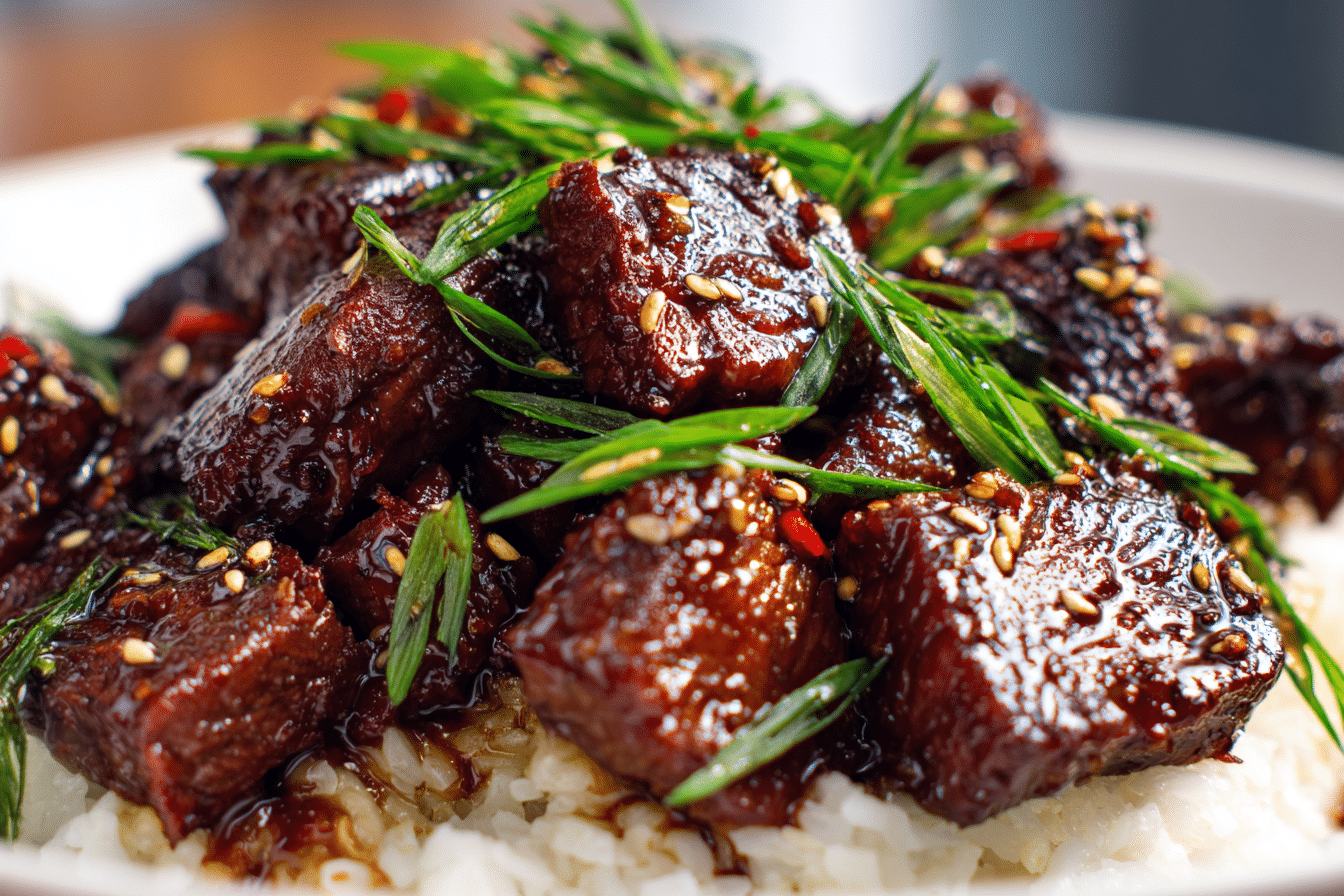
Mongolian Beef is a beloved dish known for its bold flavor, tender texture, and glossy caramelized sauce. Despite the name, this popular dish has Chinese-American roots and is commonly found in takeout menus across the U.S., inspired by Northern Chinese barbecue-style stir-fries rather than traditional Mongolian cuisine.
This recipe features thinly sliced beef, typically flank steak, seared until crispy on the edges and then tossed in a rich, garlicky soy-based sauce with brown sugar and ginger. It strikes a perfect balance between sweet and savory, with a luxurious texture and an aroma that fills your kitchen with warmth and comfort.
Whether you’re craving a quick weeknight dinner or planning a satisfying homemade alternative to takeout, Mongolian Beef delivers every time — with simplicity, bold taste, and crowd-pleasing appeal.
Ingredients Overview
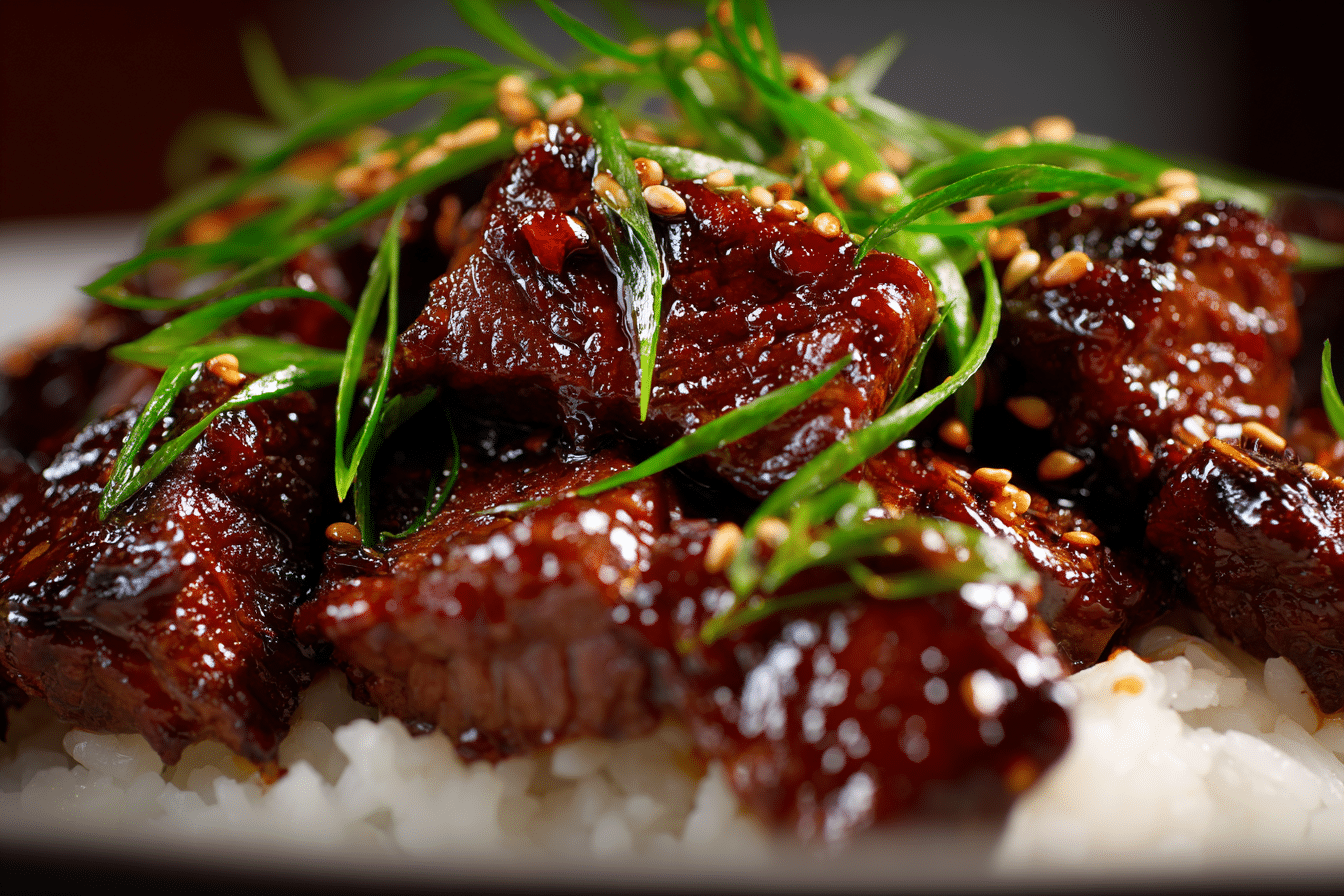
Understanding the role of each ingredient in Mongolian Beef is key to getting that signature restaurant-style flavor and texture at home.
-
Flank Steak: This lean cut is ideal for stir-frying. When sliced thin against the grain, it becomes incredibly tender while still maintaining structure. If flank steak isn’t available, skirt steak or sirloin are reliable alternatives.
-
Cornstarch: Lightly coating the beef in cornstarch gives it a crispy exterior when seared. It also helps thicken the sauce later, creating that glossy finish.
-
Soy Sauce: Use regular or low-sodium soy sauce as the base for the sauce. It brings depth and umami without being overpowering. Tamari can be used for a gluten-free version.
-
Brown Sugar: This adds the signature sweetness to Mongolian Beef. The molasses in brown sugar gives the sauce a rich, slightly sticky quality that clings to the beef.
-
Garlic and Ginger: Fresh garlic and ginger are essential aromatics. They infuse the sauce with warmth and spice, balancing the sweetness and saltiness beautifully.
-
Green Onions (Scallions): Sliced diagonally and added at the end, green onions provide a burst of freshness and color. You can also stir-fry the white parts for an extra layer of flavor.
-
Vegetable Oil: A high smoke-point oil like canola or peanut oil is best for stir-frying the beef quickly at high heat.
Optional Additions
-
Chili flakes: For those who like heat, a pinch of red pepper flakes or a few slices of fresh chili can introduce a spicy kick.
-
Vegetables: Though not traditional, broccoli, snow peas, or bell peppers can be added for color and crunch.
-
Honey: Swap part of the brown sugar for honey for a different sweetness profile.
Step-by-Step Instructions
-
Slice the Beef: Begin by thinly slicing the flank steak against the grain into ¼-inch thick strips. This shortens the muscle fibers, making the meat more tender and easier to chew.
-
Coat with Cornstarch: Toss the sliced beef with cornstarch in a bowl until each piece is lightly dusted. Let it sit for 10 minutes — this step helps crisp the meat and thicken the sauce later.
-
Prepare the Sauce: In a small bowl, mix together soy sauce, brown sugar, water, minced garlic, and grated ginger. Set aside.
-
Sear the Beef: Heat a few tablespoons of oil in a wok or large skillet over medium-high heat. When the oil shimmers, add the beef in a single layer, working in batches if needed. Sear for 2–3 minutes per side until deeply browned and crispy at the edges.
-
Drain and Rest: Transfer the cooked beef to a paper towel-lined plate to drain excess oil. Remove any burnt bits from the pan.
-
Make the Sauce: In the same pan, reduce heat to medium. Pour in the prepared sauce and let it simmer for 2–3 minutes, stirring occasionally, until it starts to thicken and bubble.
-
Combine and Finish: Return the beef to the pan and toss it in the sauce until fully coated. Add the green onions and stir just until they soften slightly, about 1 minute.
-
Serve Immediately: Serve hot over steamed jasmine rice or noodles for a complete meal.
Chef’s Tips
-
Don’t overcrowd the pan when searing beef. Too much meat at once will lower the temperature and result in steaming rather than crisping.
-
If using a cast iron skillet, preheat well for a superior sear.
-
Use fresh ginger and garlic rather than powdered — the aroma and flavor difference is noticeable.
Tips, Variations & Substitutions
-
Make It Spicy: Add a splash of Sriracha or a teaspoon of sambal oelek to the sauce for a spicier Mongolian Beef.
-
Low-Sugar Version: Reduce the brown sugar to 2 tablespoons and add a bit of rice vinegar for tang.
-
Gluten-Free: Replace soy sauce with tamari or coconut aminos, and ensure all other ingredients are gluten-free.
-
Vegetarian Twist: Substitute the beef with extra-firm tofu or tempeh. Press tofu beforehand and pan-fry until golden.
-
Slow Cooker Method: Sear the beef, then add everything to a slow cooker and cook on low for 2–3 hours until tender.
Serving Ideas & Occasions
Mongolian Beef is a satisfying meal all on its own, but pairing it with complementary sides elevates the experience.
-
Serve Over: Steamed jasmine or basmati rice, stir-fried noodles, or cauliflower rice for a low-carb option.
-
Add a Side: Pair with garlicky bok choy, sesame green beans, or a simple cucumber salad.
-
Perfect For:
-
Quick weeknight dinners
-
Meal prep (it reheats well!)
-
Hosting friends with an Asian-inspired menu
-
Cold weather comfort meals with bold flavor
-
The deep, rich aroma and sticky-sweet sauce make this dish a warm and nostalgic treat — ideal for cozy nights or festive dinners.
Nutritional & Health Notes
Mongolian Beef offers a satisfying combination of protein and carbs, making it a balanced, filling meal when paired with vegetables or whole grains.
-
Protein: Flank steak is lean and protein-rich, supporting muscle repair and energy.
-
Carbs & Sugar: While the brown sugar adds sweetness, portion control helps balance the overall sugar intake. Serve with extra veggies to offset the sweetness and boost fiber.
-
Lower Fat Option: Use less oil when searing, or drain the cooked beef thoroughly to reduce fat.
-
Clean Eating Tip: Add steamed or stir-fried vegetables to boost nutrition and fiber while cutting down on extra rice or noodles.
FAQs
Q1: What cut of beef is best for Mongolian Beef?
A1: Flank steak is the most popular choice due to its texture and quick cooking time. Skirt steak or sirloin also work well if sliced thinly across the grain.
Q2: Can I make Mongolian Beef ahead of time?
A2: Yes. Cook the beef and sauce separately, store in airtight containers, and reheat in a skillet just before serving. It stores well for up to 3 days in the fridge.
Q3: How do I keep the beef tender?
A3: Slice it thinly against the grain, don’t overcook, and sear quickly at high heat. Marinating isn’t necessary due to the flavorful sauce, but resting after slicing helps tenderize.
Q4: Is Mongolian Beef spicy?
A4: Traditionally, it’s not spicy — it’s more sweet and savory. However, you can easily add heat with chili flakes or hot sauce to taste.
Q5: Can I freeze Mongolian Beef?
A5: Yes. Let it cool completely, store in freezer-safe bags or containers, and freeze for up to 2 months. Reheat on the stovetop with a splash of water or broth to refresh the sauce.
Q6: What vegetables go well with Mongolian Beef?
A6: Broccoli, snow peas, baby corn, mushrooms, and bell peppers all pair beautifully. Stir-fry them before adding the beef back into the sauce for even cooking.
Q7: Is there a way to make Mongolian Beef low-carb?
A7: Swap the brown sugar with a keto-friendly sweetener like erythritol or monk fruit, and serve over cauliflower rice or shredded cabbage instead of traditional rice.
Tender slices of beef coated in a sweet and savory soy-garlic sauce, Mongolian Beef is a quick stir-fry dinner perfect for weeknights or takeout-style meals at home.
- Prep Time: 15 minutes
- Cook Time: 15 minutes
- Total Time: 30 minutes
- Yield: 4 servings 1x
Ingredients
-
1 lb flank steak, thinly sliced against the grain
-
1/4 cup cornstarch
-
2 tbsp vegetable oil
-
1/2 cup low-sodium soy sauce
-
1/2 cup brown sugar
-
1/4 cup water
-
4 garlic cloves, minced
-
1 tbsp fresh ginger, grated
-
4 green onions, sliced (white and green parts separated)
-
Optional: red pepper flakes, steamed rice for serving
Instructions
-
Toss sliced beef with cornstarch and let sit for 10 minutes.
-
In a small bowl, whisk soy sauce, brown sugar, water, garlic, and ginger.
-
Heat oil in a large skillet or wok over medium-high heat.
-
Sear beef in batches until browned and crispy. Drain on paper towels.
-
Reduce heat to medium, pour in sauce, and simmer 2–3 minutes until slightly thickened.
-
Return beef to the pan, toss in sauce, and add green onions.
-
Cook for 1 more minute, then serve hot over rice or noodles.