
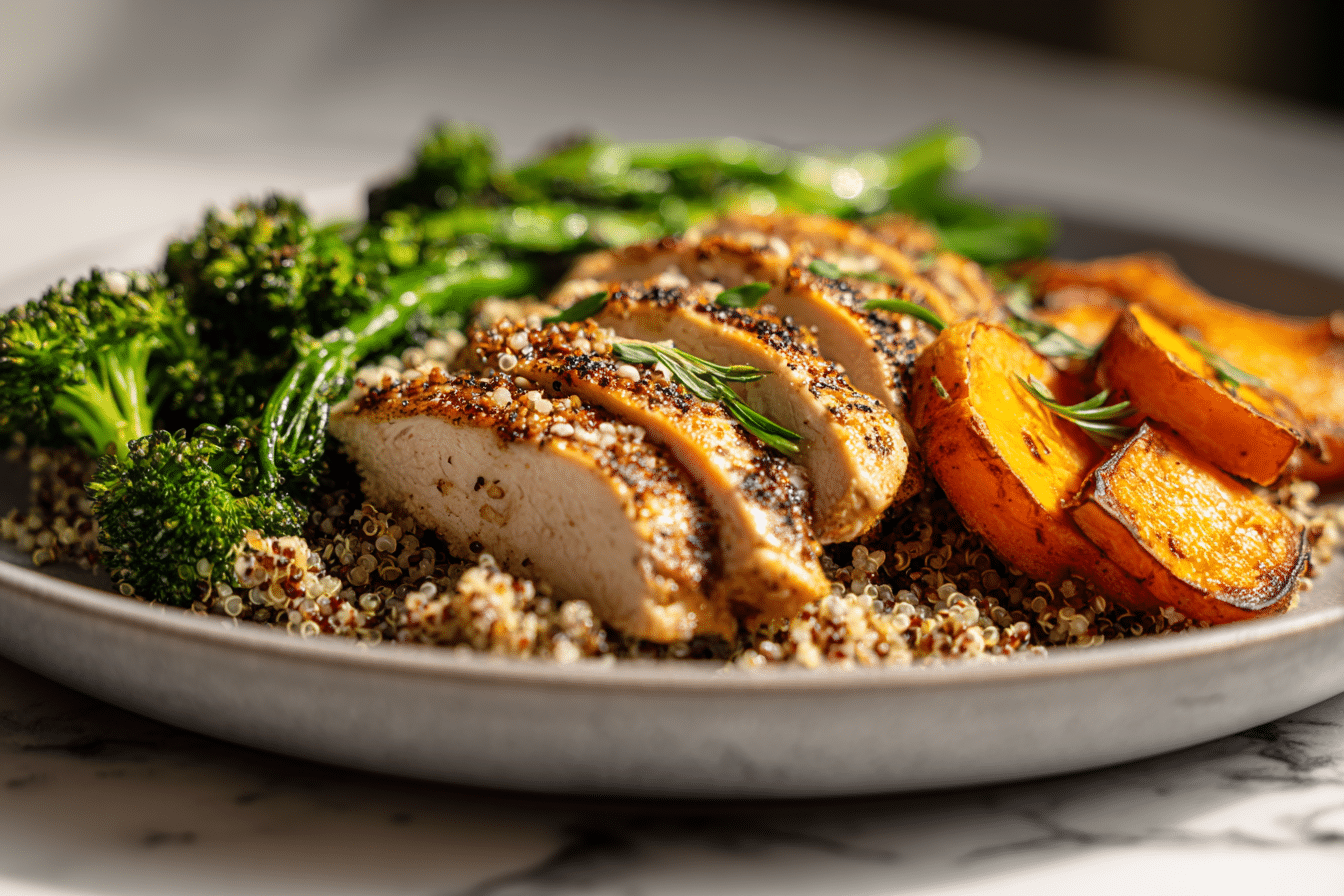
A 30 Minute Healthy Dinner Recipe is ideal for busy evenings when time is limited but a nourishing meal is still the goal. This style of cooking focuses on fresh ingredients, balanced flavors, and efficient preparation so dinner comes together without stress.
This version of a 30 Minute Healthy Dinner Recipe brings together lean protein, colorful vegetables, and a light sauce to create a satisfying plate. Everything is prepared in one pan with a simple cooking flow that keeps cleanup minimal and the process practical for everyday cooking.
The goal is a meal that feels fresh, balanced, and filling without requiring complicated steps or long cooking times. Each ingredient plays a role in texture and flavor, making the final dish both enjoyable and convenient for weeknights.
Ingredients Overview
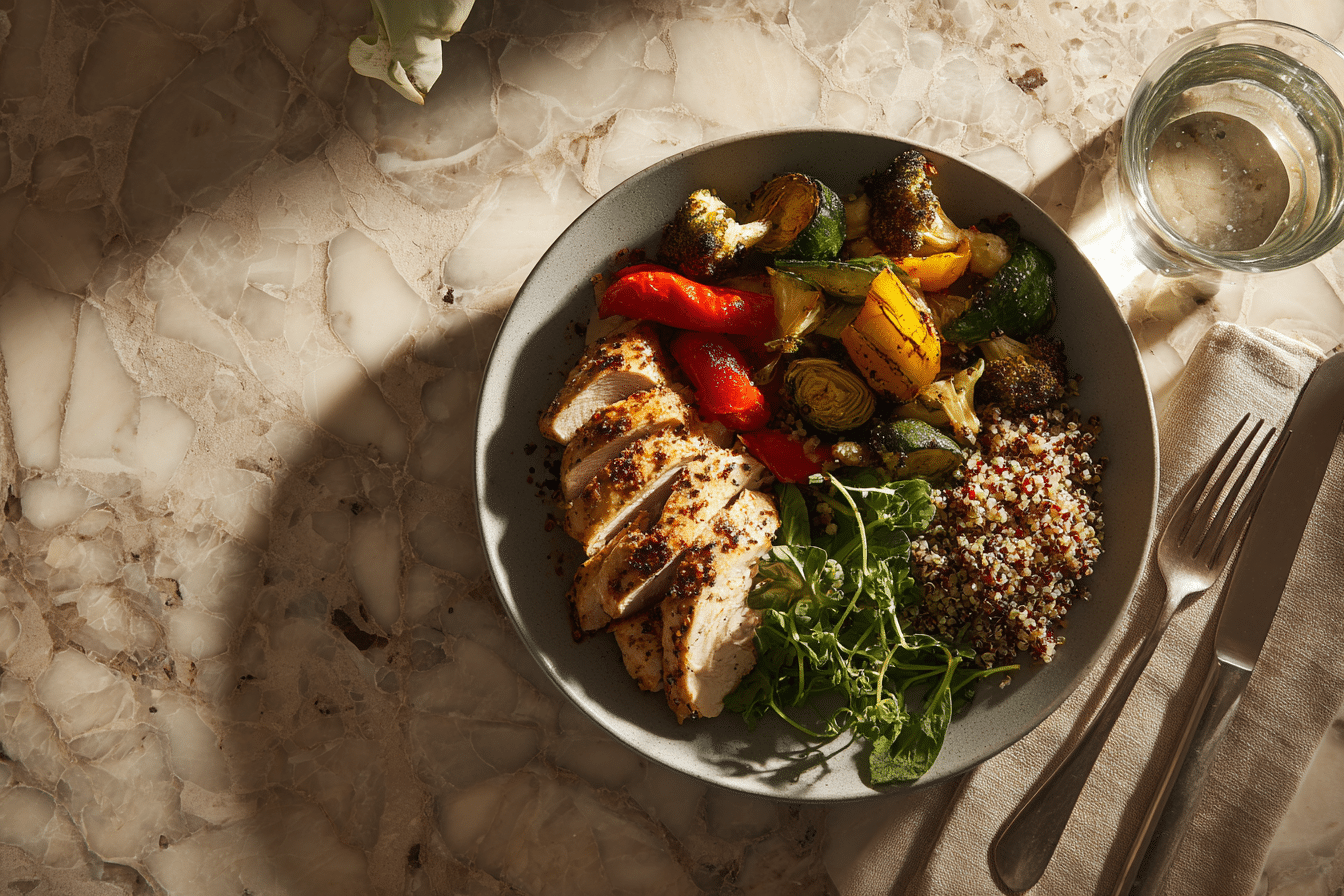
This 30 Minute Healthy Dinner Recipe relies on a combination of lean chicken breast, crisp vegetables, and a light savory sauce to create balance in both flavor and nutrition. Chicken breast provides a high-protein base that cooks quickly and absorbs seasoning well, making it ideal for fast meals.
Bell peppers, broccoli, and carrots add natural sweetness, crunch, and color. These vegetables also cook quickly when cut into small, even pieces, which helps keep the total cooking time within 30 minutes. You can swap them with zucchini, snap peas, or spinach depending on what is available.
Garlic and onion form the flavor foundation of the dish. They create depth without overwhelming the natural taste of the vegetables and protein. A light soy-based sauce brings everything together with a savory note, while a small amount of olive oil supports even cooking.
For a carbohydrate base, brown rice or jasmine rice works well. Brown rice adds a slightly nutty taste and extra fiber, while jasmine rice offers a softer texture. Quinoa can also be used for a higher protein option. The flexibility of ingredients makes this recipe adaptable to different dietary needs while maintaining balance and flavor.
Ingredients
1 pound chicken breast, sliced into thin strips
2 tablespoons olive oil
1 small onion, sliced
3 cloves garlic, minced
1 red bell pepper, sliced
1 cup broccoli florets
1 medium carrot, julienned
2 tablespoons soy sauce
1 tablespoon low sodium chicken broth
1 teaspoon honey
1/2 teaspoon black pepper
1/2 teaspoon salt
1 cup cooked brown rice
1 tablespoon fresh parsley, chopped
Step-by-Step Instructions
Start by preparing all ingredients before turning on the heat. Slice the chicken into thin, even strips so it cooks quickly and evenly. Chop all vegetables into similar bite-sized pieces to maintain consistent texture throughout the dish.
Heat one tablespoon of olive oil in a large skillet over medium-high heat. Add the chicken strips in a single layer. Cook for about 5 to 6 minutes, stirring occasionally until the chicken turns lightly golden and is fully cooked through. Remove the chicken from the skillet and set it aside.
In the same pan, add the remaining olive oil. Add onions and cook for 2 minutes until they soften slightly. Stir in garlic and cook for another 30 seconds until fragrant. Be careful not to let it burn, as garlic can turn bitter quickly.
Add bell pepper, broccoli, and carrot to the pan. Stir frequently and cook for 5 to 7 minutes. The vegetables should become tender but still retain a slight crunch. This texture balance is key for a satisfying result.
Return the cooked chicken to the skillet. Add soy sauce, chicken broth, honey, salt, and black pepper. Stir everything together so the sauce coats the chicken and vegetables evenly. Let it cook for another 2 to 3 minutes so the flavors combine well.
Serve the mixture over warm cooked brown rice. Sprinkle fresh parsley on top for a light finish. Avoid overcooking the vegetables, as they can become too soft and lose their texture.
Tips, Variations & Substitutions
This 30 Minute Healthy Dinner Recipe can be adjusted in many ways based on preference or dietary needs. For a different protein option, shrimp or tofu can be used instead of chicken. Shrimp cooks very quickly, while tofu should be lightly pan-seared for better texture.
Vegetables can also be changed depending on season or availability. Zucchini, mushrooms, snap peas, or baby spinach work well and cook in a similar timeframe. Mixing different colors of vegetables helps create a more balanced plate visually and nutritionally.
For a slightly richer taste, a small amount of sesame oil can be added at the end of cooking. If a lower sodium option is needed, reduced sodium soy sauce works well without changing the structure of the dish.
To add more spice, a pinch of red pepper flakes or freshly chopped chili can be included during cooking. For meal prep, this dish stores well in airtight containers and reheats evenly in a skillet or microwave without losing texture.
Serving Ideas & Occasions
This meal fits well into weekday dinners when time is limited but a balanced plate is still preferred. It pairs nicely with simple sides such as a light cucumber salad or steamed greens for added freshness.
For beverages, water with lemon, herbal tea, or lightly infused fruit water complements the savory flavors without overpowering them. The dish also works well for lunch meal prep, as it maintains texture and flavor after reheating.
It is suitable for family dinners, solo meals, or shared plates. The quick preparation time makes it especially practical for evenings when schedules are tight but a homemade meal is still desired.
Nutritional & Health Notes
This 30 Minute Healthy Dinner Recipe offers a balanced mix of protein, fiber, and carbohydrates. Chicken breast provides lean protein that supports satiety, while vegetables contribute fiber and natural vitamins.
Brown rice adds complex carbohydrates that provide steady energy. Olive oil contributes healthy fats that support flavor and cooking quality. The overall structure of the meal is designed to feel filling without being heavy.
Portion control can be adjusted depending on dietary goals. Increasing the vegetable ratio can lower overall calorie density while maintaining volume and satisfaction. This makes it suitable for a wide range of eating preferences.
FAQs
Can I use a different protein in this recipe?
Yes, this recipe works well with several protein options. Shrimp, tofu, turkey, or even lean beef can be used instead of chicken. Shrimp cooks very quickly and should be added near the end of the vegetable cooking stage. Tofu benefits from being lightly pan-seared before mixing with the sauce to improve texture. Turkey is similar to chicken in cooking time and absorbs flavors well. Each protein changes the flavor slightly but keeps the structure of the dish consistent.
What vegetables work best for this meal?
A variety of vegetables can be used depending on preference and availability. Bell peppers, broccoli, and carrots are used in this version because they cook quickly and maintain texture. However, zucchini, mushrooms, snap peas, green beans, and spinach are also suitable. It is important to cut all vegetables into similar sizes so they cook evenly within the same timeframe. Softer vegetables like spinach should be added at the end of cooking to prevent over-softening.
Can this recipe be prepared in advance?
Yes, this meal is suitable for preparation ahead of time. The chicken and vegetables can be chopped and stored separately in the refrigerator for up to two days before cooking. Cooked portions also store well in airtight containers for meal prep. When reheating, a skillet is preferred to maintain texture, although a microwave can also be used. Adding a small splash of broth while reheating helps keep the dish moist.
What can I use instead of soy sauce?
If soy sauce is not preferred, there are several alternatives. Coconut aminos provide a slightly sweeter and less salty flavor while still giving depth to the dish. Low sodium broth with a pinch of salt can also be used for a lighter seasoning option. Tamari is another alternative for those who prefer a gluten-free version. Each substitute slightly changes the flavor profile but keeps the overall balance of the recipe intact.
Is this recipe suitable for weight-conscious meal plans?
This recipe can fit into many balanced eating plans because it includes lean protein, vegetables, and controlled carbohydrates. Using brown rice or reducing the portion size of rice can lower overall calorie intake while keeping the meal filling. Increasing vegetables is another way to adjust the balance toward lighter nutrition. The cooking method avoids heavy frying or cream-based sauces, keeping the dish structured and straightforward.
How do I prevent the vegetables from becoming too soft?
To maintain texture, vegetables should be cooked over medium-high heat and stirred frequently rather than covered. Cutting them into similar sizes helps them cook evenly. Adding them in stages also helps; harder vegetables like carrots go in first, while softer ones like spinach are added at the end. Cooking time should be watched closely, as overcooking can reduce both texture and flavor.
Can I make this recipe gluten-free?
Yes, this recipe can be made gluten-free with a simple adjustment. Replace regular soy sauce with a certified gluten-free tamari or coconut aminos. All other ingredients are naturally gluten-free, including chicken, vegetables, and rice. It is also important to check labels on broth or seasoning products to confirm they do not contain gluten-based additives. With these small changes, the dish remains balanced and flavorful.