
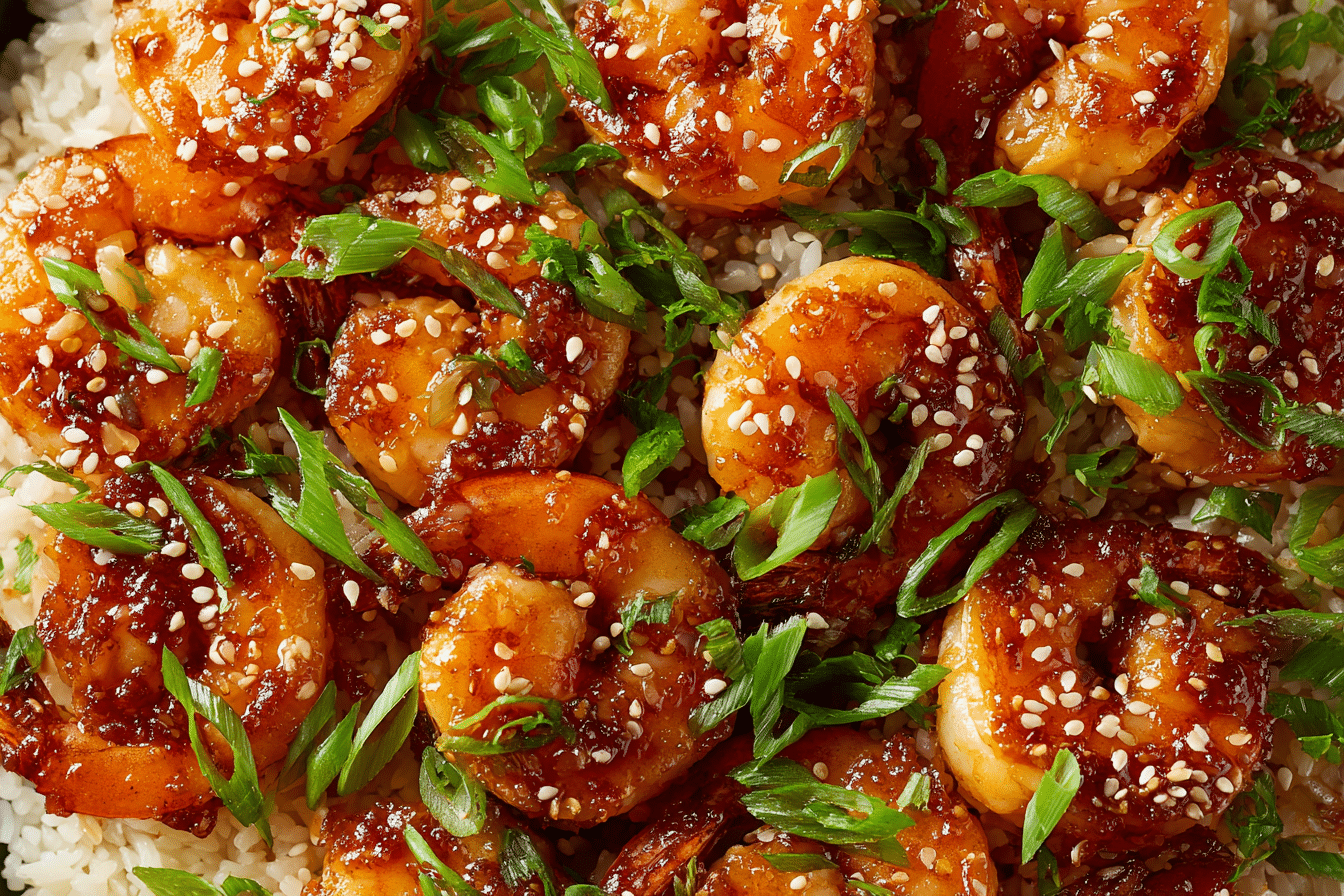
High-Protein Honey Garlic Shrimp delivers bold flavor with a quick skillet technique and a balanced sweet-savory glaze. Plump shrimp cook within minutes, absorbing a glossy coating built from honey, garlic, soy sauce, and fresh aromatics. The result is tender seafood paired with a rich, lightly sticky sauce that clings to every bite.
This recipe suits weeknight dinners, light meal planning, or protein-focused eating goals. Shrimp naturally contains significant protein while remaining light and fast to cook. Combined with a simple glaze and fresh ingredients, the dish offers satisfying texture without lengthy preparation.
Another appealing feature is its adaptability. High-Protein Honey Garlic Shrimp pairs easily with rice, steamed vegetables, quinoa, or crisp salad greens. The sauce delivers depth without heaviness, creating balance between sweetness, saltiness, and aromatic garlic.
Even cooks with limited kitchen experience can handle this recipe with confidence. Shrimp cooks rapidly, and the sauce forms in the same pan, reducing cleanup and preparation time. Within about twenty minutes, dinner reaches the table with restaurant-style flavor and vibrant presentation.
Ingredients Overview
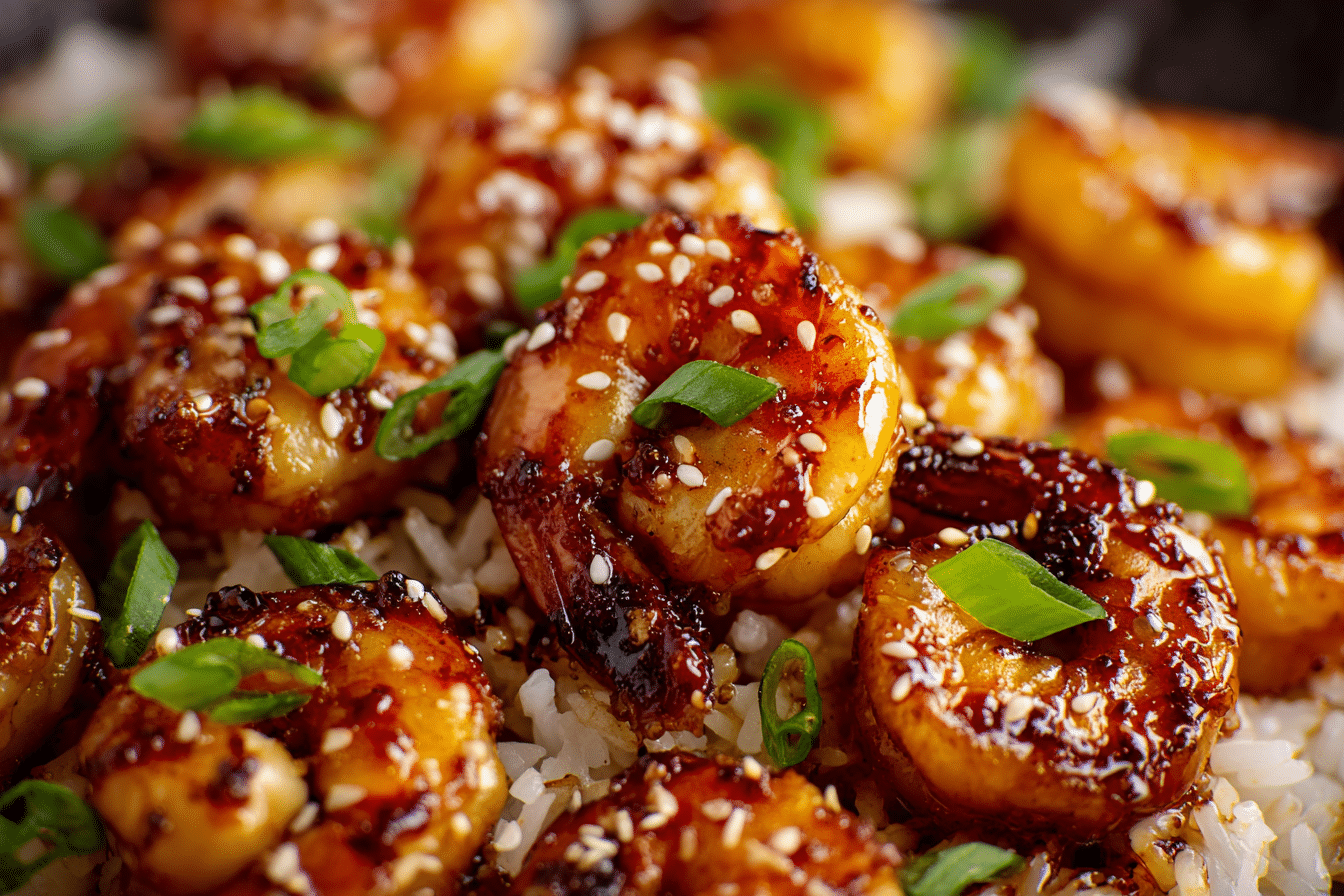
Shrimp forms the heart of High-Protein Honey Garlic Shrimp. Large or extra-large shrimp provide the most satisfying texture because they remain juicy during quick sautéing. Fresh shrimp offers delicate flavor, though frozen shrimp works equally well when properly thawed under cold running water. Removing the shell and vein improves both presentation and eating experience.
Honey brings gentle sweetness and contributes to the glossy finish of the sauce. As heat reduces the mixture, honey thickens slightly and binds with the other liquids. This creates a smooth glaze that coats the shrimp evenly without becoming overly heavy.
Garlic supplies the aromatic backbone of the recipe. Fresh minced garlic releases fragrance immediately when warmed in oil. Its sharp bite softens during cooking, leaving a warm savory note that balances the honey.
Soy sauce introduces saltiness and umami depth. Low-sodium soy sauce remains a practical option for balanced seasoning. Tamari can replace soy sauce for a gluten-free variation while maintaining similar flavor.
Fresh ginger adds subtle warmth and complexity. A small amount grated finely distributes evenly throughout the sauce, giving the glaze gentle aromatic character without overpowering the shrimp.
Cornstarch helps the sauce reach the correct consistency. When mixed with a small portion of water, it forms a slurry that thickens the glaze quickly in the skillet. Only a small quantity is needed to create a silky finish.
Neutral cooking oil such as avocado oil or light olive oil works well for sautéing. These oils tolerate medium-high heat and allow garlic and shrimp to cook evenly without burning.
Green onions provide brightness and mild onion flavor at the end of cooking. A sprinkle of sesame seeds can add subtle nuttiness and visual contrast across the finished dish.
Step-by-Step Instructions
Begin by preparing the shrimp. If frozen shrimp is used, thaw under cold running water until flexible. Pat the shrimp dry with paper towels. Removing excess moisture helps the shrimp sear instead of steam in the pan.
Next, prepare the sauce mixture. In a small bowl, combine honey, soy sauce, grated ginger, and minced garlic. Stir until the honey blends smoothly into the liquid. In a separate small bowl, whisk cornstarch with one tablespoon of water to create a slurry.
Place a large skillet over medium-high heat and add a tablespoon of cooking oil. Allow the oil to warm until it shimmers lightly across the surface. Add the shrimp in a single layer so each piece contacts the pan.
Cook the shrimp for about one to two minutes on the initial side. The exterior will turn pink and slightly opaque. Flip the shrimp with tongs and cook another minute until both sides show light golden spots.
Once the shrimp approach full doneness, pour the honey garlic mixture into the skillet. Stir gently so the sauce spreads across the pan and surrounds the shrimp. The aroma of garlic and honey will quickly rise as the liquid begins to simmer.
Add the cornstarch slurry and stir continuously. Within about one minute the sauce thickens into a glossy glaze. Keep the shrimp moving so the coating remains even and prevents scorching along the pan surface.
Watch the texture carefully. Overcooked shrimp becomes firm and rubbery. As soon as the shrimp curl into a loose “C” shape and the sauce clings smoothly to their surface, remove the pan from heat.
Finish the dish by scattering sliced green onions across the shrimp. Sesame seeds may also be sprinkled for extra texture. Serve the shrimp immediately while the glaze remains shiny and warm.
Common errors include overcrowding the pan, which traps steam and prevents browning. Cooking shrimp in batches solves this problem if the skillet size is limited. Another issue involves excessive heat after the sauce thickens, which can lead to overly sticky glaze. Reducing heat promptly maintains a balanced consistency.
Tips, Variations & Substitutions
Shrimp size influences cooking time. Large shrimp provide a substantial bite while remaining tender during quick sautéing. Smaller shrimp cook faster, so reduce skillet time slightly to avoid toughness.
A mild chili element can add depth to the glaze. A small pinch of red pepper flakes or a spoonful of chili paste blends well with honey and garlic. The result remains balanced while introducing subtle warmth.
For a citrus note, add a teaspoon of fresh lime juice just before serving. The acidity brightens the sauce and complements the sweetness from honey.
Tamari replaces soy sauce easily for diners avoiding gluten. Coconut aminos provide another alternative with a slightly lighter salt level and gentle sweetness.
Protein variation also works well with the same glaze. Cubes of chicken breast or firm tofu absorb the honey garlic sauce nicely. Adjust cooking time depending on the protein used.
For vegetable additions, lightly sautéed broccoli florets, snap peas, or bell pepper strips blend naturally with the sauce. Adding vegetables during the final minutes of cooking keeps their texture crisp and vibrant.
A thicker sauce can be achieved by increasing the cornstarch slurry slightly. However, moderation is important; excessive cornstarch may create a gummy coating rather than a smooth glaze.
Serving Ideas & Occasions
High-Protein Honey Garlic Shrimp fits many dining situations, from quick family dinners to casual gatherings. Because the dish cooks quickly, it suits evenings when a warm meal is desired without lengthy preparation.
Steamed jasmine rice absorbs the honey garlic glaze beautifully. Brown rice or quinoa offers a hearty grain option while contributing additional fiber.
For a lighter plate, serve the shrimp over mixed greens or shredded cabbage. The warm glaze gently coats the vegetables and creates a balanced contrast between hot seafood and crisp produce.
Noodles also pair well with this recipe. Rice noodles or thin wheat noodles tossed with a small amount of sesame oil complement the sweet-savory sauce.
During gatherings, the shrimp can be arranged on a platter with toothpicks for easy serving. The glossy glaze and vibrant green onion garnish create an appealing presentation suitable for shared meals.
Nutritional & Health Notes
Shrimp provides a naturally rich protein source while remaining relatively low in calories. A typical serving delivers significant protein that supports muscle maintenance and satiety.
Honey contributes natural sweetness and modest carbohydrates. Because the recipe uses a limited quantity spread across several servings, the sugar level remains moderate.
Garlic and ginger contribute aromatic compounds that have long been valued in culinary traditions. These ingredients add depth without requiring heavy fats or cream-based sauces.
Using minimal oil keeps the dish relatively light while still allowing proper sautéing. Selecting low-sodium soy sauce can help moderate salt intake for individuals monitoring sodium levels.
Serving High-Protein Honey Garlic Shrimp alongside vegetables or whole grains increases fiber and nutritional balance, creating a well-rounded meal with protein, carbohydrates, and micronutrients.
FAQs
Can frozen shrimp be used for High-Protein Honey Garlic Shrimp?
Frozen shrimp works very well in this recipe. Many seafood suppliers freeze shrimp soon after harvest, which helps maintain freshness and texture. Before cooking, thaw the shrimp under cold running water or place them in the refrigerator for several hours.
After thawing, dry the shrimp thoroughly using paper towels. Excess surface moisture can prevent proper searing in the skillet and may dilute the sauce. Once dry, proceed with the recipe exactly as written.
Frozen shrimp often arrives peeled and deveined, which simplifies preparation and shortens kitchen time.
How can shrimp stay tender during cooking?
Shrimp cooks very quickly, so close attention to timing is important. Most large shrimp require only two to three minutes total in a hot skillet. Overcooking leads to a tight, rubbery texture.
A helpful visual cue involves the shrimp’s shape. Properly cooked shrimp forms a gentle “C” curve. If the shrimp curls into a tight circle, heat exposure likely lasted too long.
Removing the skillet from heat immediately after the sauce thickens helps maintain a juicy interior and delicate texture.
Is this recipe suitable for meal preparation?
High-Protein Honey Garlic Shrimp can be prepared ahead and stored in airtight containers for short-term meal planning. Refrigeration keeps the shrimp fresh for about two days.
When reheating, warm the shrimp gently in a skillet over medium-low heat with a small splash of water. This prevents the glaze from becoming overly thick.
Although reheating works well, shrimp generally delivers the most tender texture shortly after cooking.
What vegetables pair well with this shrimp dish?
Many vegetables complement the honey garlic glaze. Broccoli florets, snap peas, and bell peppers remain popular additions because their natural sweetness blends nicely with the sauce.
Lightly sauté the vegetables in the skillet before adding the shrimp, or cook them separately and combine just before serving. This method keeps their texture crisp.
Leafy greens such as bok choy or spinach also pair nicely, offering freshness alongside the savory glaze.
Can the sweetness level be adjusted?
Yes, the sweetness level can be adjusted according to preference. Reducing the honey slightly will create a sauce that leans toward savory notes.
Alternatively, adding a small splash of rice vinegar or lime juice introduces acidity that balances sweetness without reducing the honey quantity.
These small adjustments allow the glaze to match different flavor preferences while maintaining the core honey garlic character.
Which pan works best for cooking shrimp?
A wide skillet or sauté pan works well because it allows the shrimp to spread in a single layer. Even spacing promotes proper browning and prevents steaming.
Stainless steel or heavy nonstick pans both perform well. Stainless steel produces deeper browning, while nonstick pans offer easier cleanup.
Regardless of pan type, preheating the surface before adding shrimp helps achieve a quick sear.
How can the sauce reach the right thickness?
The key to proper sauce consistency lies in the cornstarch slurry. Cornstarch must be mixed with water before entering the skillet. Adding dry cornstarch directly may create lumps.
Once the slurry enters the simmering sauce, stir continuously. The liquid will thicken quickly as heat activates the starch. If the sauce becomes thicker than desired, a small splash of water can restore a smooth glaze.
The finished sauce should lightly coat the shrimp without appearing heavy.
Print
High-Protein Honey Garlic Shrimp is a quick skillet recipe featuring tender shrimp coated in a glossy sweet and savory honey garlic sauce. The dish cooks in about twenty minutes and pairs well with rice, vegetables, or noodles for a balanced protein-focused meal.
Ingredients
1 pound large shrimp, peeled and deveined
3 tablespoons honey
2 tablespoons low-sodium soy sauce
3 cloves garlic, minced
1 teaspoon fresh ginger, grated
1 tablespoon cooking oil
1 teaspoon cornstarch
1 tablespoon water
2 green onions, sliced
1 teaspoon sesame seeds (optional)
Instructions
-
Pat shrimp dry with paper towels.
-
In a bowl, mix honey, soy sauce, garlic, and ginger.
-
In another small bowl, stir cornstarch with water to form a slurry.
-
Heat oil in a large skillet over medium-high heat.
-
Add shrimp in a single layer and cook about 1–2 minutes.
-
Turn shrimp and cook another minute until pink.
-
Pour honey garlic mixture into the skillet and stir.
-
Add the cornstarch slurry and cook while stirring until the sauce thickens.
-
Remove from heat once shrimp curl into a loose C shape.
-
Garnish with green onions and sesame seeds before serving.