
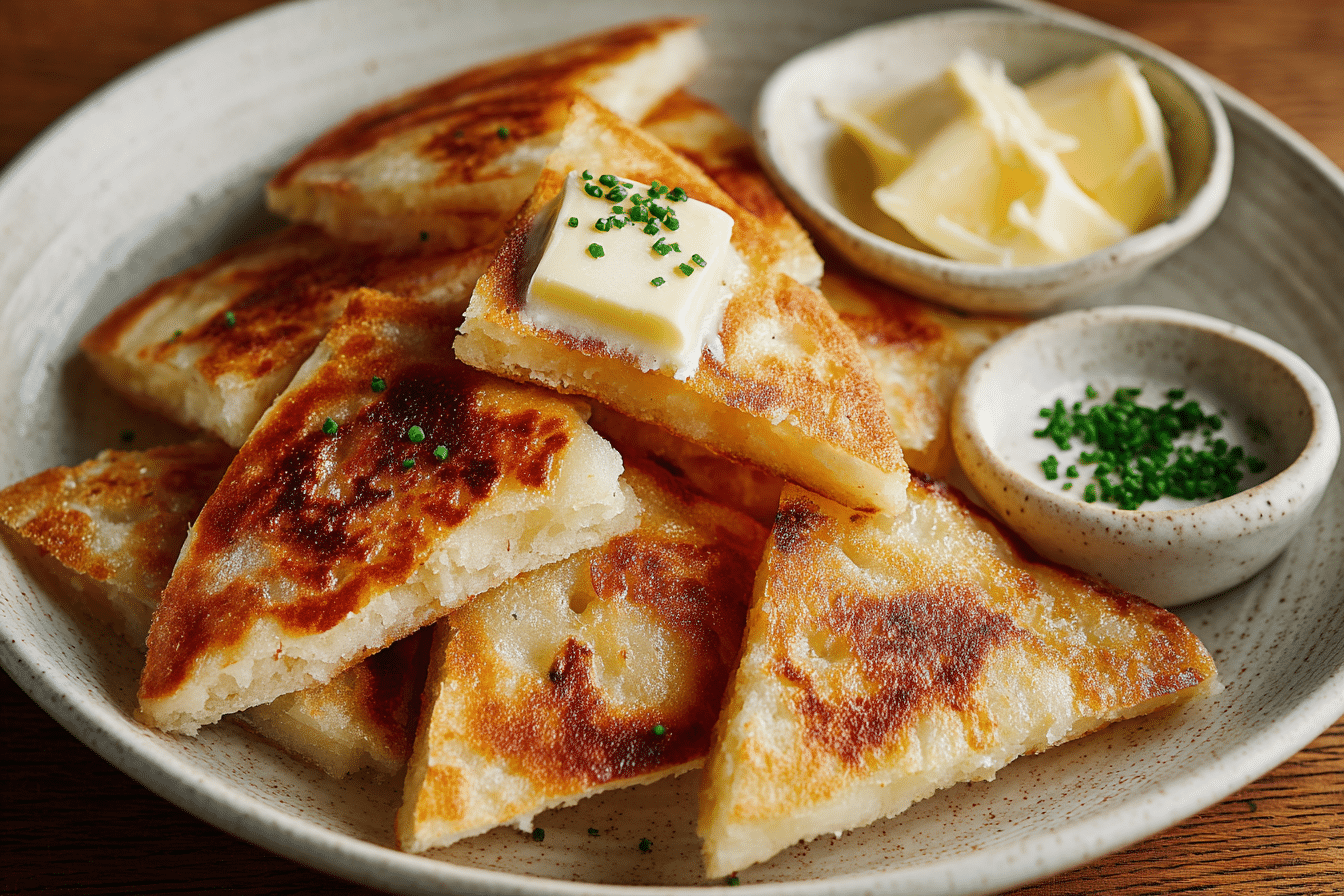
Traditional Irish Potato Farls are a beloved Northern Irish breakfast classic, prized for their soft, fluffy centers and gently crisped edges. These potato breads are made by combining mashed potatoes with flour and butter, forming a simple dough, cutting it into four wedges, and cooking each piece in a skillet until golden brown. The term “farl” originates from the Gaelic word for “four parts,” which reflects the traditional method of dividing the dough.
This dish is a comforting and practical way to turn leftover potatoes into a delicious breakfast or snack. With a mild, earthy flavor and a tender texture, potato farls pair wonderfully with eggs, bacon, sausages, or simply buttered for a light treat. When cooked correctly, the farls have a golden, slightly crisp exterior that gives way to a soft, pillowy interior.
What makes the Traditional Irish Potato Farls Recipe so enduring is its simplicity. Only a few ingredients are needed, yet the results are richly satisfying and unmistakably traditional. The dough comes together quickly without yeast and cooks in just a few minutes on a hot skillet.
In Irish homes, potato farls are often served alongside hearty breakfasts with grilled tomatoes, mushrooms, and black pudding. They also make a versatile accompaniment for soups, stews, or even sandwiches. Their neutral flavor and satisfying texture make them suitable for a wide variety of meals.
The process of making potato farls is straightforward, making them accessible to both novice and experienced cooks. By combining warm mashed potatoes with flour and shaping the dough, you can produce an authentic dish that has stood the test of time.
Ingredients Overview
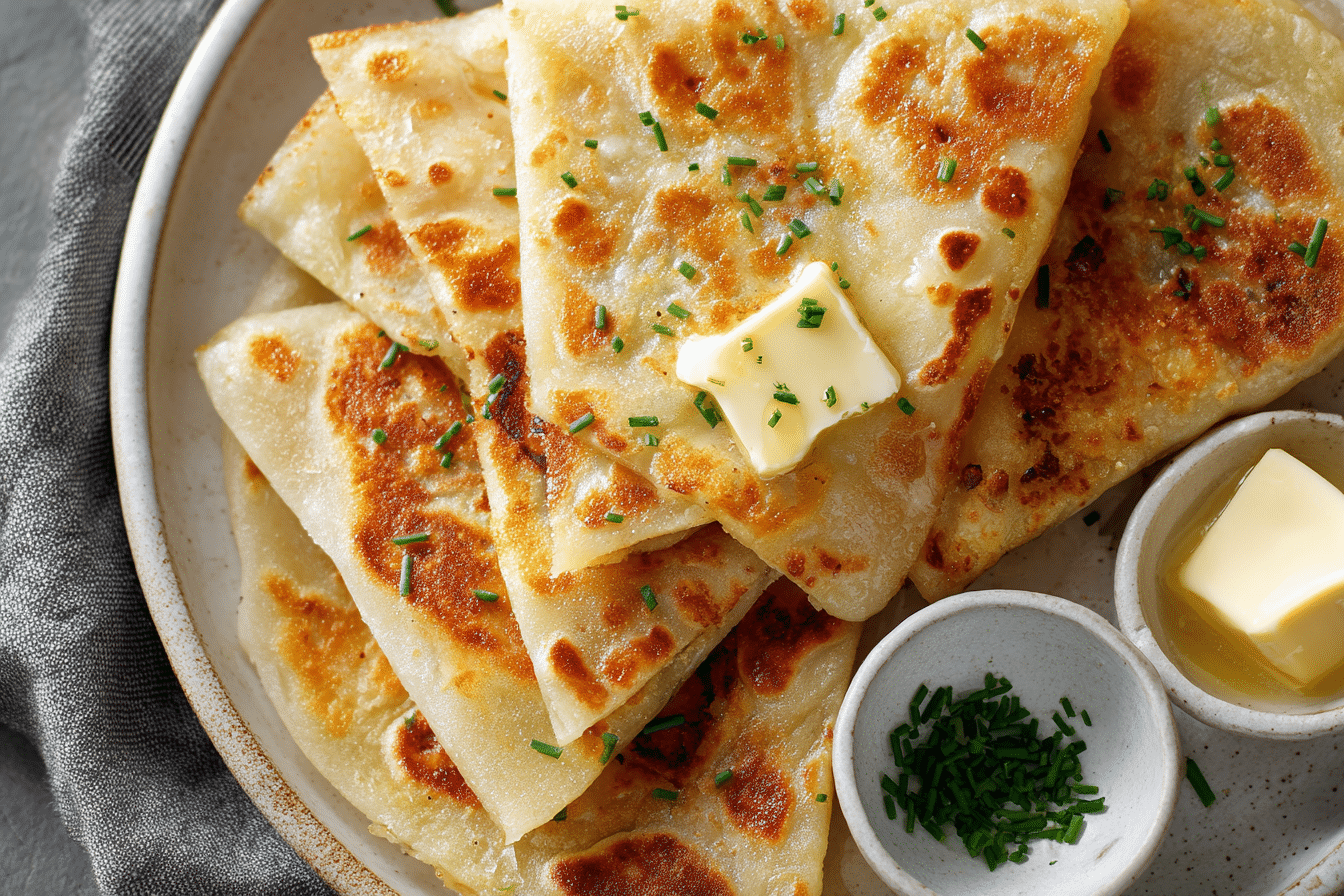
The Traditional Irish Potato Farls Recipe relies on a handful of essential ingredients, each with a clear purpose. Mashed potatoes form the base, providing a soft, tender dough. Smooth, lump-free potatoes ensure the farls hold their shape during cooking and achieve a consistent, light interior.
Flour acts as a binder, turning the mashed potatoes into a workable dough. All-purpose flour is commonly used because it provides structure without making the farls dense. Too much flour can result in a heavy, dry texture, so it’s important to measure carefully.
Butter adds richness and a subtle savory depth. It’s mixed into the dough for flavor and may also be used in the skillet to help develop a lightly golden crust. This step enhances the overall taste and texture of the farls.
Salt is essential for enhancing the natural flavor of the potatoes, while black pepper can be added for a hint of warmth. The seasoning remains simple to let the potatoes shine.
This recipe is adaptable. Leftover mashed potatoes are ideal, as long as they’re not overly seasoned. If your mashed potatoes already contain butter or milk, adjust the additional butter accordingly. Whole wheat flour can replace part of the all-purpose flour for a nuttier flavor. Some cooks also add a pinch of baking powder for a slightly lighter texture, although traditional recipes often skip this.
Together, these ingredients create a dough that is soft yet firm enough to shape, yielding the classic texture of Irish potato farls.
Ingredients
2 cups mashed potatoes, cooled slightly
1/2 cup all-purpose flour, plus extra for dusting
2 tablespoons melted butter
1/2 teaspoon salt
1/4 teaspoon black pepper (optional)
1 tablespoon butter or oil for frying
Step-by-Step Instructions
Begin by preparing the mashed potatoes. If using fresh potatoes, peel and cut them into uniform pieces. Boil in salted water for 15 minutes or until tender. Drain and mash thoroughly. Allow them to cool slightly before mixing with other ingredients to avoid overly sticky dough.
Place the warm mashed potatoes in a mixing bowl. Stir in the melted butter, salt, and black pepper until fully incorporated.
Sprinkle the flour over the potatoes. Mix gently until a soft dough forms. The dough should be slightly tacky but manageable; add a little extra flour if it feels too sticky.
Lightly flour a work surface and turn the dough out. Knead gently for a few seconds just to bring it together, taking care not to overwork it.
Shape the dough into a round disk approximately 3/4 inch thick. Cut the disk into four equal wedges to create the traditional farl shape.
Heat a skillet over medium heat and add the butter or oil. Once hot, place the potato wedges in the pan, leaving a small gap between each piece. Cook for 4–5 minutes until the bottom is golden.
Flip the farls and cook for another 4–5 minutes on the other side until golden and fully heated through. Adjust the heat as necessary to avoid burning while ensuring the interior is soft.
Transfer the cooked farls to a plate and keep warm. Repeat with any remaining dough, adding more butter if needed.
Serve immediately while warm, either as part of a full Irish breakfast or with butter and jam for a simple snack.
Tips, Variations & Substitutions
Leftover mashed potatoes are ideal for this recipe and make preparation faster. Make sure they are not too wet; otherwise, you may need extra flour to achieve the right dough consistency.
For a lighter texture, add 1/2 teaspoon baking powder to the flour before mixing. This keeps the farls soft without changing the traditional flavor.
Shredded cheese, chopped scallions, or fresh herbs can be incorporated for subtle variations. Using up to half whole wheat flour can create a nuttier, slightly denser farl.
A cast-iron skillet works best for achieving an even golden crust. Moderate heat ensures the farls cook through without burning. Avoid over-kneading, which can make the farls firm instead of tender.
Serving Ideas & Occasions
Irish potato farls are perfect as part of a classic breakfast with eggs, bacon, sausages, mushrooms, and black pudding. Their mild flavor balances richer, savory dishes.
They can also be enjoyed with butter, jam, or honey for a simpler option. For lunch, use farls in place of bread in sandwiches, pairing with fried eggs, ham, or cheese.
During colder months, serve alongside soups or stews to soak up broths. They are great for family breakfasts, weekend brunches, or special holiday meals.
Nutritional & Health Notes
This recipe features wholesome ingredients. Potatoes provide carbohydrates, potassium, and vitamin C. Moderate amounts of butter and flour help maintain a balanced dish.
Adjusting butter or using whole wheat flour can reduce fat and add fiber. Cooking in a small amount of fat retains flavor while keeping the dish light.
Serving with eggs, vegetables, or lean proteins completes the meal, creating a filling and nutritious breakfast or brunch.
Can I use leftover mashed potatoes?
Yes. Leftover mashed potatoes are perfect, provided they are smooth and not too wet. Lightly seasoned potatoes work best to keep the farls mild. Reduce extra butter if the leftovers already contain milk or butter.
Why are my potato farls falling apart?
Farls may crumble if the dough is too wet or lacks sufficient flour. Gradually add flour until the dough holds together. Cook on a preheated skillet and allow the first side to form a golden crust before flipping. Handle gently to maintain shape.
Can I bake potato farls instead of frying?
Baking is possible but produces a softer texture. Place wedges on a parchment-lined tray, bake at 400°F (200°C) for about 15 minutes, flipping halfway through. Brush with butter for color. Skillet cooking yields the classic crisp exterior.
Can potato farls be frozen?
Yes. Cool completely, then freeze in a single layer before transferring to a bag. Reheat from frozen in a skillet or toaster oven for 5–7 minutes.
What type of potatoes are best?
Floury potatoes such as Russet or Maris Piper are ideal, as they mash smoothly and form a light dough. Waxy potatoes may require extra flour to achieve the proper consistency.
Are potato farls the same as potato pancakes?
Not exactly. Potato farls use mashed potatoes shaped into wedges, giving a soft interior and gentle crust. Potato pancakes are grated potatoes mixed with egg and flour, producing a thinner, crispier texture.
How thick should potato farls be?
Around 3/4 inch thick. This ensures the farls cook evenly, creating a golden crust and soft center. Thinner farls risk drying out, while thicker farls may brown before heating through.
Print
Traditional Irish potato farls are tender potato breads cooked in a skillet until golden. Cut into four wedges, they make a comforting breakfast or snack.
Ingredients
2 cups mashed potatoes
1/2 cup all-purpose flour
2 tablespoons melted butter
1/2 teaspoon salt
1/4 teaspoon black pepper (optional)
1 tablespoon butter or oil for frying
Instructions
-
Mix mashed potatoes with melted butter, salt, and pepper.
-
Add flour and form a soft dough.
-
Turn dough onto a floured surface and gently knead.
-
Flatten into a 3/4 inch round and cut into four wedges.
-
Heat butter or oil in a skillet over medium heat.
-
Cook farls 4–5 minutes per side until golden.
-
Serve warm with butter or as part of a full breakfast.