
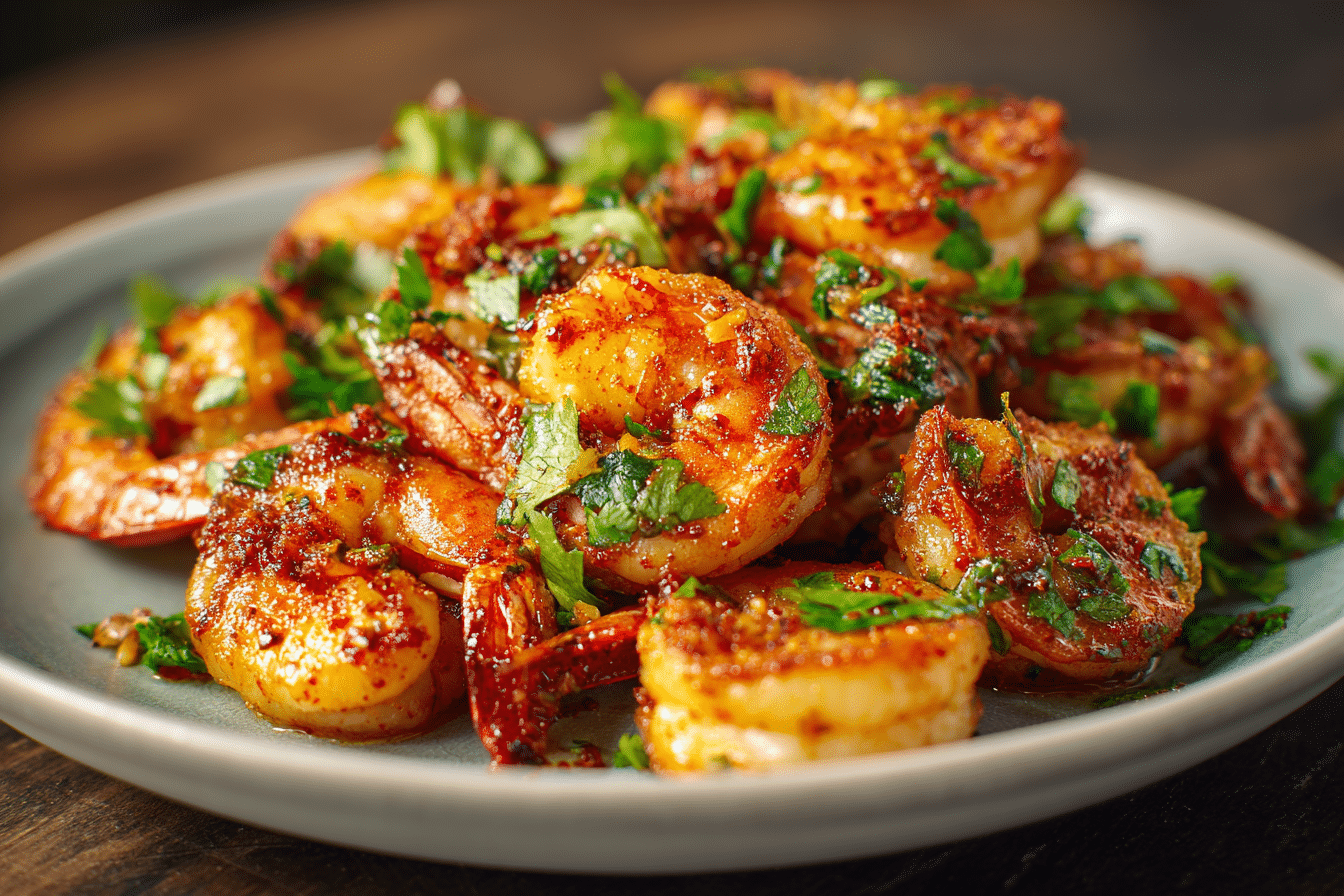
Chili Lime Shrimp is a fast skillet seafood dish built around citrus juice, mild heat, and tender shrimp cooked in a short time over high heat. The flavor profile comes from a balance of lime, garlic, chili spices, and a light cooking fat that carries seasoning across each piece.
This dish works well for weeknight meals, casual gatherings, or quick plate ideas when time is limited. The shrimp absorb seasoning quickly, so the process stays short while still producing a layered taste.
It can be served in multiple ways, including over rice, inside tortillas, or alongside vegetables. The cooking method keeps the texture of the shrimp soft while adding light browning from the pan.
Ingredients Overview
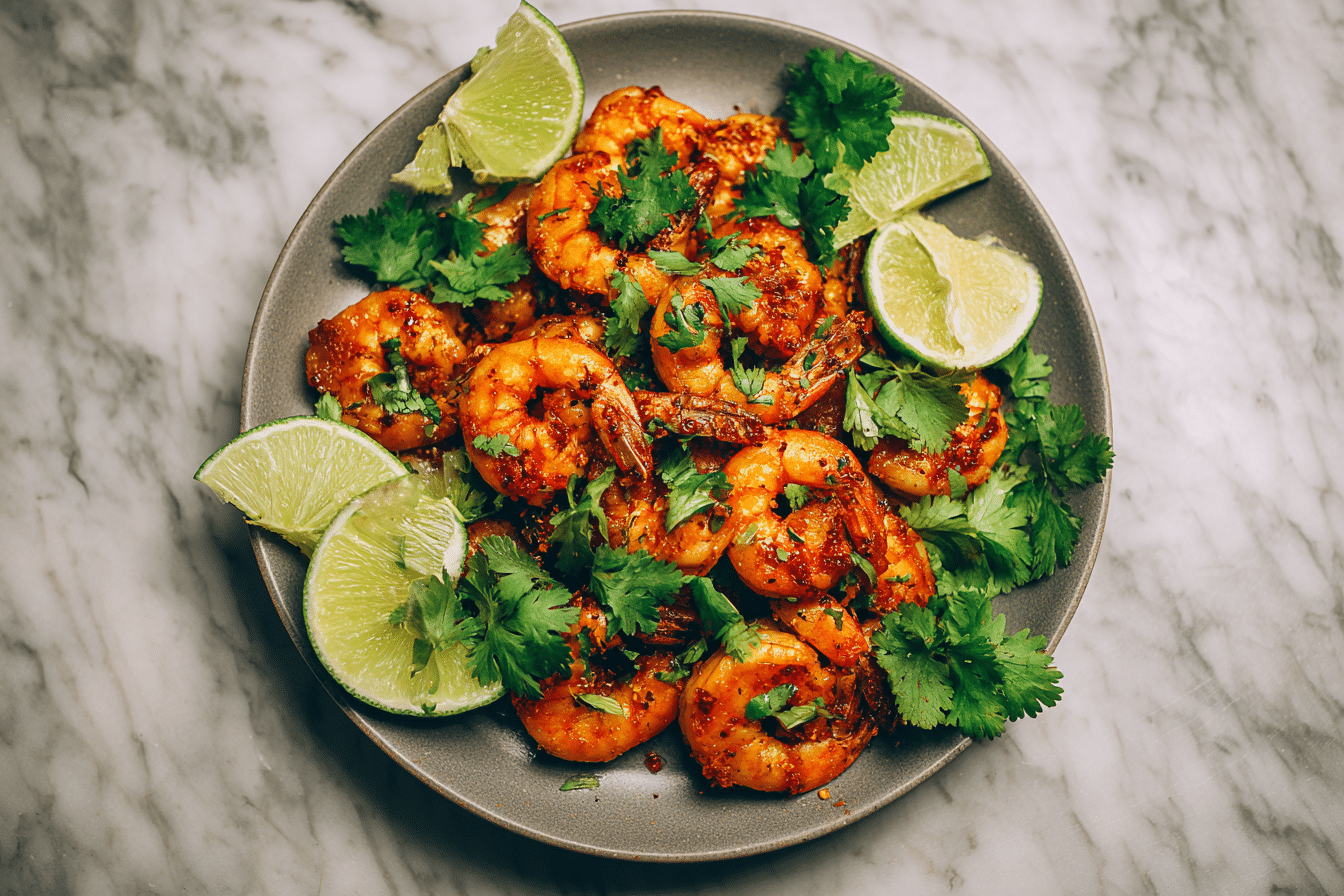
The foundation of Chili Lime Shrimp is built on a small set of ingredients that work together without complexity. Shrimp provide the main structure of the dish. Their natural sweetness and tender bite allow them to take on seasoning easily, especially when exposed to citrus and spice.
Lime juice plays a central role by adding acidity that lifts the overall flavor. It interacts with the spices and garlic, creating a light coating that clings to the shrimp during cooking. Lime zest contributes aromatic oils that deepen the citrus character without adding extra liquid.
Chili powder introduces warm spice with a grounded flavor. Red pepper flakes add sharper heat, while smoked paprika gives a subtle smoky background. These layers of spice create dimension without overpowering the shrimp.
Garlic provides a savory base note that blends into the citrus and spice mixture. When heated in the skillet, it softens and spreads its flavor across the dish.
A cooking fat such as olive oil or melted butter helps transfer heat evenly and binds the seasoning to the shrimp. Olive oil keeps the dish lighter in texture, while butter creates a richer coating.
Salt and black pepper sharpen the overall profile. A small amount of honey can soften the sharp edge of lime juice if a rounder taste is preferred.
When combined, these ingredients create a balanced skillet dish where citrus, spice, and seafood meet in a clean and direct flavor profile.
Ingredients
1 pound large shrimp, peeled and deveined
2 tablespoons olive oil or melted butter
3 cloves garlic, finely chopped
1 teaspoon chili powder
1/2 teaspoon red pepper flakes
1/2 teaspoon smoked paprika
1/2 teaspoon salt
1/4 teaspoon black pepper
Zest of 1 lime
3 tablespoons lime juice
1 teaspoon honey (optional)
2 tablespoons chopped cilantro
Lime wedges for serving
Step-by-Step Instructions
Start by preparing the shrimp. If they are frozen, thaw them in cold water or in a refrigerator until fully defrosted. Pat them dry thoroughly using paper towels. Removing surface moisture helps them cook evenly and prevents excess liquid in the pan.
In a mixing bowl, combine olive oil or melted butter with garlic, chili powder, red pepper flakes, smoked paprika, salt, black pepper, lime zest, and lime juice. Stir until the mixture becomes evenly blended. If a softer citrus tone is desired, add honey and mix again.
Add the shrimp into the bowl and coat them evenly with the seasoning mixture. Let them sit for about 10 to 15 minutes so the flavors settle into the surface. Avoid extending this time too long because the lime juice begins to change the texture of the shrimp if left for too long.
Heat a large skillet over medium-high heat until hot. Place the shrimp in a single layer in the pan. Work in batches if needed to prevent overcrowding, which can lead to steaming instead of searing.
Cook the shrimp for about 2 minutes on the first side. As they cook, the color will shift from gray to pink around the edges. Flip each piece and cook for another 1 to 2 minutes until fully opaque and lightly curled.
Once cooked, remove the shrimp from the skillet immediately to prevent carryover heat from overcooking them. Spoon any remaining pan juices over the shrimp for added flavor.
Sprinkle chopped cilantro over the top and serve with lime wedges for additional citrus brightness.
One common issue is leaving shrimp on heat too long, which leads to a firmer texture. Another is skipping the drying step, which affects how they cook in the skillet.
Tips, Variations & Substitutions
Adjusting the spice level is simple. Red pepper flakes can be reduced for a milder profile or increased for stronger heat. Chili powder can remain as the base spice since it provides depth without sharp intensity.
For a smoky direction, additional smoked paprika or a small amount of chipotle seasoning can be added. This creates a deeper flavor that pairs well with the lime base.
Butter can replace olive oil entirely for a richer coating on the shrimp. A mix of both creates a balance between light texture and richness.
Cooking on skewers over a grill is another option. The shrimp cook quickly and develop light char marks that add another layer of flavor.
Vegetables such as sliced peppers, zucchini, or onions can be cooked in the same skillet. They absorb the seasoning and turn the dish into a fuller meal without changing the core method.
For a lower-fat version, reduce the cooking fat slightly and add a small splash of lime juice after cooking to maintain moisture.
Serving Ideas & Occasions
Chili Lime Shrimp fits into many meal styles. One common serving method is over steamed rice, which absorbs the juices from the skillet and carries the seasoning throughout the dish.
It also works well in soft tortillas as shrimp tacos. Adding shredded cabbage or sliced avocado creates contrast in texture and rounds out the filling.
For lighter plates, the shrimp can be served over mixed greens or grain bowls with quinoa or brown rice. The citrus and spice combination pairs well with simple bases.
It can also be served as a shared plate for gatherings. The shrimp can be arranged on a platter with lime wedges for quick serving.
Nutritional & Health Notes
Chili Lime Shrimp is naturally high in protein and relatively low in overall calories. Shrimp provide key nutrients such as vitamin B12, selenium, and iodine.
The choice of olive oil or butter influences the fat content. Olive oil keeps the dish lighter, while butter adds a richer texture.
Lime juice contributes flavor without added sugar, and spices provide depth without extra calories. Garlic and herbs add aroma and flavor support without heaviness.
When paired with vegetables or whole grains, the dish forms a balanced meal that includes protein, fiber, and fats in a simple combination.
FAQs
Can frozen shrimp be used for this recipe?
Frozen shrimp work well when thawed correctly before cooking. The preferred method is to let them thaw in a refrigerator overnight, though placing them in cold water also works when time is limited. After thawing, the shrimp should be dried carefully with paper towels. Removing moisture is important because it helps them cook evenly in the skillet and develop a light surface sear. Cooking them while still icy or wet can lead to uneven texture and excess liquid in the pan, which affects how the seasoning sticks.
How can I tell when shrimp are fully cooked?
Shrimp cook very quickly, often within just a few minutes. They are ready when their color changes from gray to pink and the flesh turns opaque. The shape also changes, curling into a loose “C.” If they curl too tightly, they may have cooked slightly longer than needed. Removing them from heat as soon as they reach opacity helps keep them tender, since they continue cooking briefly after leaving the pan due to residual heat.
How can the heat level be adjusted?
The spice level can be adjusted by changing the amount of red pepper flakes. Reducing or removing them results in a milder dish while still keeping flavor from chili powder. For higher heat, a small amount of cayenne can be added. The balance of lime and spices allows flexibility without changing the structure of the recipe, so adjustments are simple based on preference.
What can replace lime juice?
Lemon juice is the closest replacement for lime juice. It provides similar acidity, though the flavor is slightly different and less sharp. A small amount of vinegar can also be added alongside lemon juice to mimic the brightness of lime. Using citrus that is freshly squeezed generally gives a cleaner taste compared to bottled versions.
Can this dish be cooked on a grill?
Yes, grilling works well for this recipe. Shrimp can be placed on skewers and cooked over medium heat for about 2 minutes per side. The grill adds light char marks that enhance the spice and citrus combination. Care should be taken not to overcook them, as shrimp cook very quickly on open heat and can become firm if left too long.
How should leftovers be stored and reheated?
Leftover shrimp should be placed in a sealed container and kept in a refrigerator for up to two days. When reheating, a skillet on low heat works best. Adding a small splash of lime juice or water helps restore moisture. High heat or long reheating times can cause the shrimp to become firm, so gentle warming is preferred.
Can this recipe be prepared ahead of time?
The shrimp can be cleaned and the seasoning mixture prepared in advance. However, the actual cooking is best done close to serving time. The shrimp should only sit in the lime mixture for a short period, around 10 to 15 minutes, since longer exposure can alter their texture. Cooking them just before serving gives the most consistent results.