
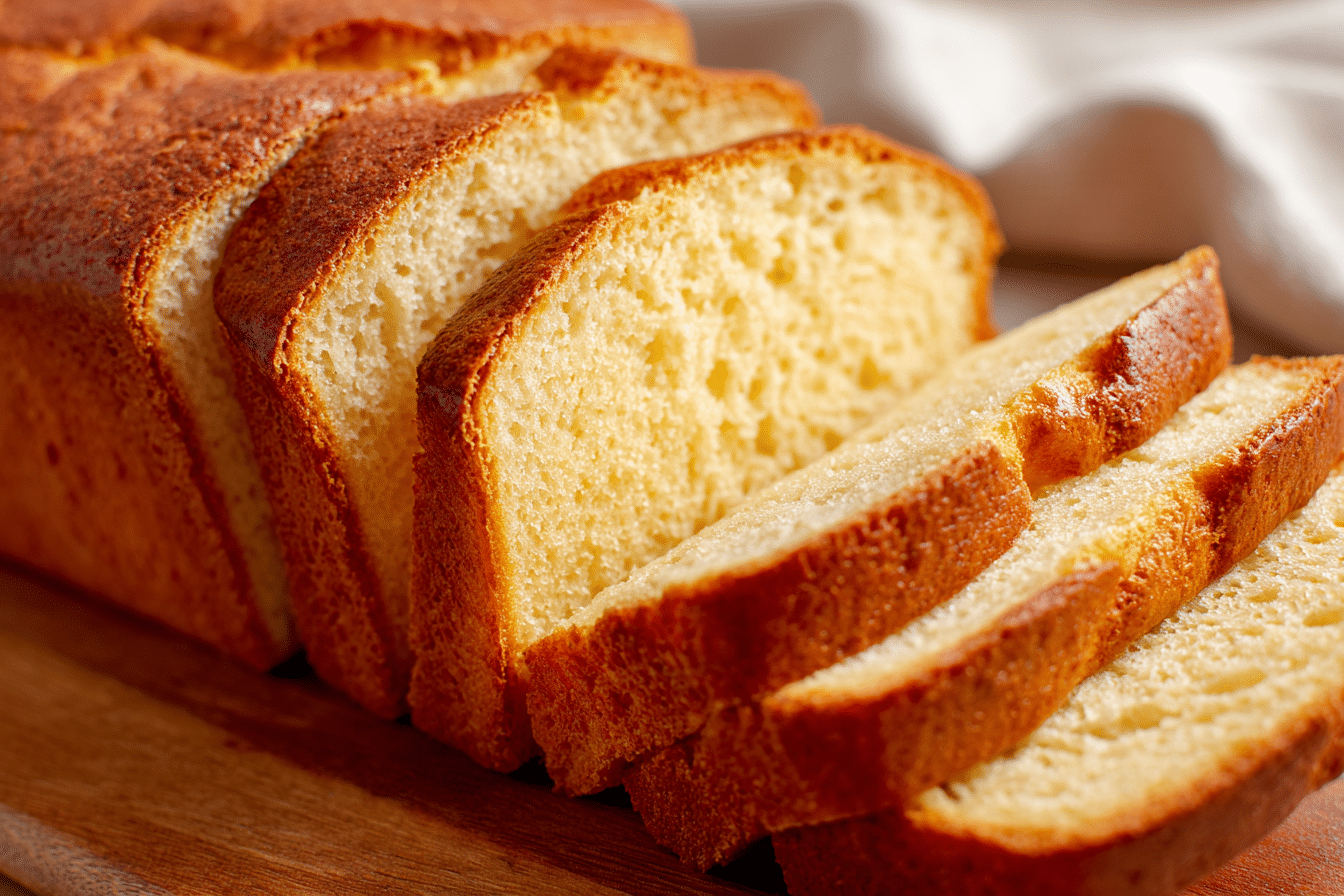
Easy Yogurt Bread Gluten-Free, Zero Carb Option is a quick, wholesome loaf that delivers the comfort of homemade bread without any gluten. This recipe blends creamy yogurt with a few select ingredients to create a soft, tender bread with a subtle tang and delicate crumb.
Perfect for gluten-free or low-carb lifestyles, this bread works well for breakfast, as a snack, or alongside soups and salads. Its simplicity ensures reliable results while offering room to customize flavor and toppings.
What sets Easy Yogurt Bread Gluten-Free, Zero Carb Option apart is its effortless preparation. With just a handful of ingredients, it produces a moist, sliceable loaf that can easily adapt to your preferences.
Ingredients Overview
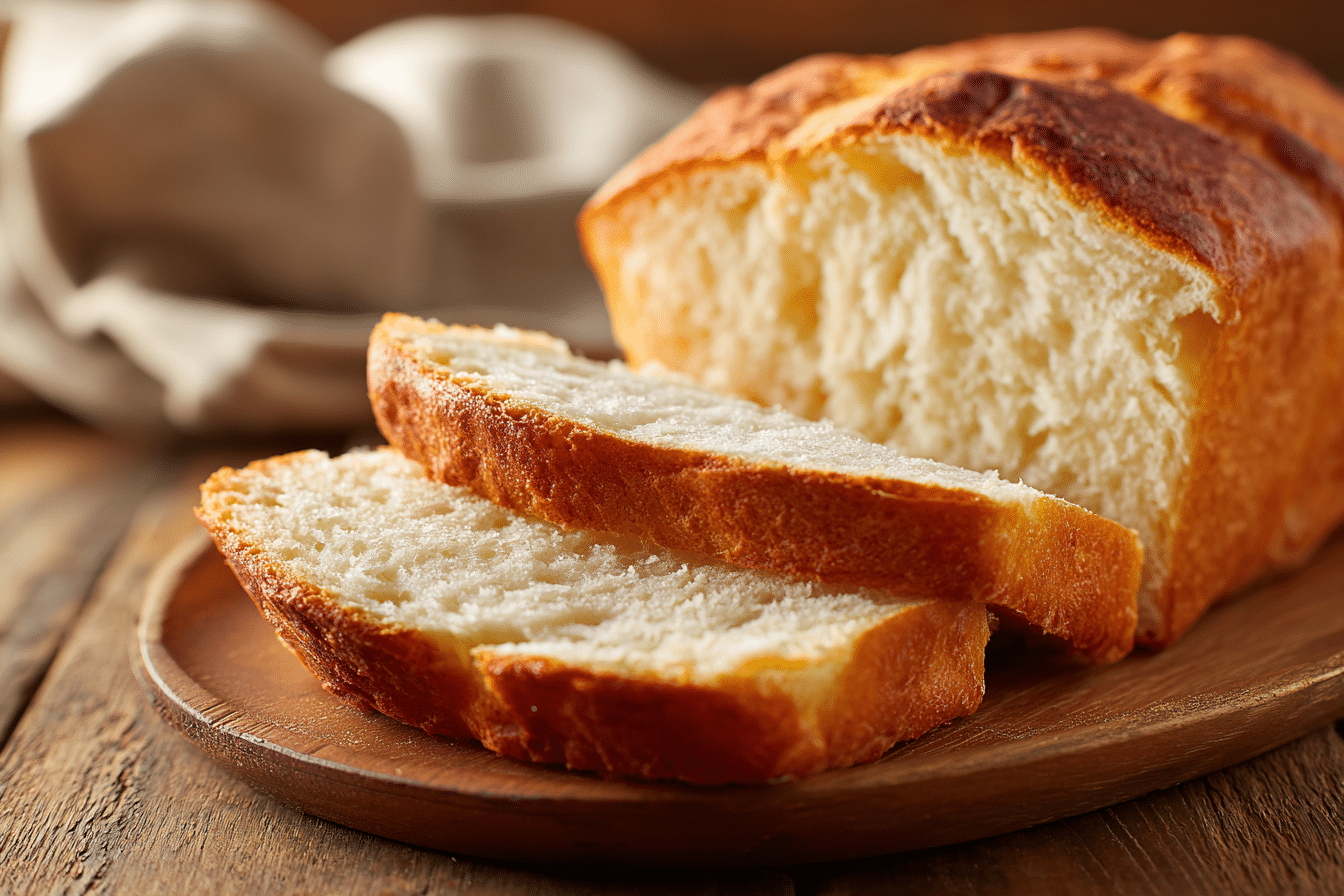
Yogurt forms the base of this bread, providing both moisture and structure. Greek yogurt or any thick strained yogurt works best due to its creamy texture and high protein content, which keeps the bread soft and well-formed.
Eggs serve as both binder and leavening agent, giving the loaf lift and stability without traditional flour. They also contribute richness while keeping carbohydrate levels low.
Almond flour is a common choice in gluten-free baking, though sunflower seed flour or protein-rich low-carb flour blends can also be used. These flours help the loaf hold its shape while keeping carbs minimal.
Baking powder ensures the bread rises evenly, preventing a dense, heavy loaf. Salt enhances the flavor and balances the slight tang of the yogurt.
Optional ingredients such as olive oil or melted butter add moisture and tenderness, while herbs, spices, or seeds can provide extra flavor and texture without complicating the recipe. Together, these ingredients create a versatile, soft loaf suitable for a variety of meals.
Ingredients
1 cup plain Greek yogurt
3 large eggs
1 cup almond flour (or sunflower seed flour for zero-carb)
1 teaspoon baking powder
1/2 teaspoon salt
1 tablespoon olive oil or melted butter
1/2 teaspoon garlic powder (optional)
1/2 teaspoon dried herbs like oregano or thyme (optional)
1 tablespoon sesame seeds or flaxseeds (optional topping)
Step-by-Step Instructions
Preheat your oven to 350°F (175°C) and prepare a loaf pan with parchment paper or light greasing to prevent sticking.
In a medium bowl, whisk the eggs until smooth and slightly frothy. This introduces air, helping the bread rise and giving it a lighter texture.
Mix in the Greek yogurt until the batter is uniform and creamy. Make sure there are no lumps for consistent results.
In a separate bowl, combine almond flour, baking powder, salt, and any optional spices or herbs. Stir thoroughly to distribute the leavening agents evenly.
Gradually fold the dry ingredients into the wet mixture, stirring gently until a thick, cohesive batter forms. Avoid overmixing to prevent a dense loaf.
Add olive oil or melted butter to the batter for extra moisture and tenderness. Stir in any seeds or herbs at this point.
Transfer the batter to the prepared pan and smooth the top with a spatula. Sprinkle seeds on the surface if desired.
Bake for 30–40 minutes. The bread is ready when the top is golden and a toothpick inserted into the center comes out clean.
Cool in the pan for 10 minutes before transferring to a wire rack to finish cooling. Allowing the loaf to cool completely ensures it slices cleanly and holds its shape.
Common errors include underbaking, resulting in a gummy center, and cutting the bread too soon, which may cause crumbling. Patience is essential for the best results.
Tips, Variations & Substitutions
Use full-fat Greek yogurt for a moister, richer loaf. Low-fat yogurt produces a firmer texture but works fine if preferred.
For a zero-carb variation, substitute almond flour with sunflower seed flour or a low-carb baking mix. This keeps carbs to a minimum while maintaining structure.
Incorporate shredded cheese or fresh herbs like rosemary, thyme, or oregano for a savory twist. A small amount of low-carb sweetener and vanilla can create a subtly sweet bread.
Dairy-free options such as thick coconut yogurt work well as a replacement for Greek yogurt. Choose unsweetened versions with firm consistency.
Store the bread in an airtight container in the refrigerator for up to five days. Freeze individual slices for longer storage and thaw as needed for a convenient, fresh-tasting option.
Serving Ideas & Occasions
Serve this bread at breakfast with eggs, avocado, or nut butter. Toasted slices with butter or cream cheese make a quick, satisfying morning treat.
It makes a sturdy base for sandwiches at lunch, supporting grilled meats, fresh vegetables, or deli fillings. Its firm texture holds up well to heavier toppings.
As a dinner side, it pairs beautifully with soups, stews, or salads. Its mild flavor complements a wide variety of dishes.
This bread is also ideal for meal prep and for serving guests who prefer gluten-free or low-carb options. It’s versatile, simple, and universally appealing.
Nutritional & Health Notes
This loaf is naturally gluten-free, suitable for those with gluten intolerance or celiac disease. Yogurt and eggs provide protein, which contributes to satiety and supports overall nutrition.
Almond flour or similar alternatives lower the carbohydrate content, making this a great option for low-carb or keto diets.
Healthy fats from yogurt and olive oil round out the nutritional profile. Adjust salt to taste, and add seeds for extra micronutrients.
Pairing the bread with vegetables, lean proteins, or healthy spreads ensures a balanced, satisfying meal while maintaining low carbohydrate levels.
FAQs
Can this bread be made fully zero-carb?
Yes. Replacing almond flour with sunflower seed flour or a low-carb baking mix can make this loaf extremely low in carbohydrates. Yogurt and eggs contain minimal carbs, so the result is nearly zero-carb, particularly when using unsweetened, full-fat yogurt.
Can regular yogurt replace Greek yogurt?
You can use regular yogurt, but it is thinner and may affect texture. Strain excess liquid to thicken it. Greek yogurt is preferred for its dense texture and reliable structure.
How should the bread be stored?
Store in an airtight container in the fridge for up to five days. For longer storage, slice and freeze portions. Toast or warm slices to restore texture before serving.
Why does my bread come out dense?
Density can result from overmixing or using thin yogurt. Overmixing removes air that helps the loaf rise, and watery yogurt cannot support the structure. Using thick yogurt and measuring ingredients carefully ensures a soft, airy loaf.
Can I add flavors or mix-ins?
Yes. Herbs, spices, cheese, or seeds can enhance flavor. For a slightly sweet version, add low-carb sweetener and vanilla. The recipe is versatile and adapts well to different tastes.
Is this suitable for meal prep?
Absolutely. Slice the cooled loaf and store in the fridge or freezer. The bread retains its texture and flavor, making it convenient for breakfast, lunch, or snacks.
Can I use a different pan?
Yes. Muffin tins or small baking dishes work as alternatives. Baking time will vary; smaller portions typically bake in 20–25 minutes. Use the same visual cues: golden top and clean toothpick.