
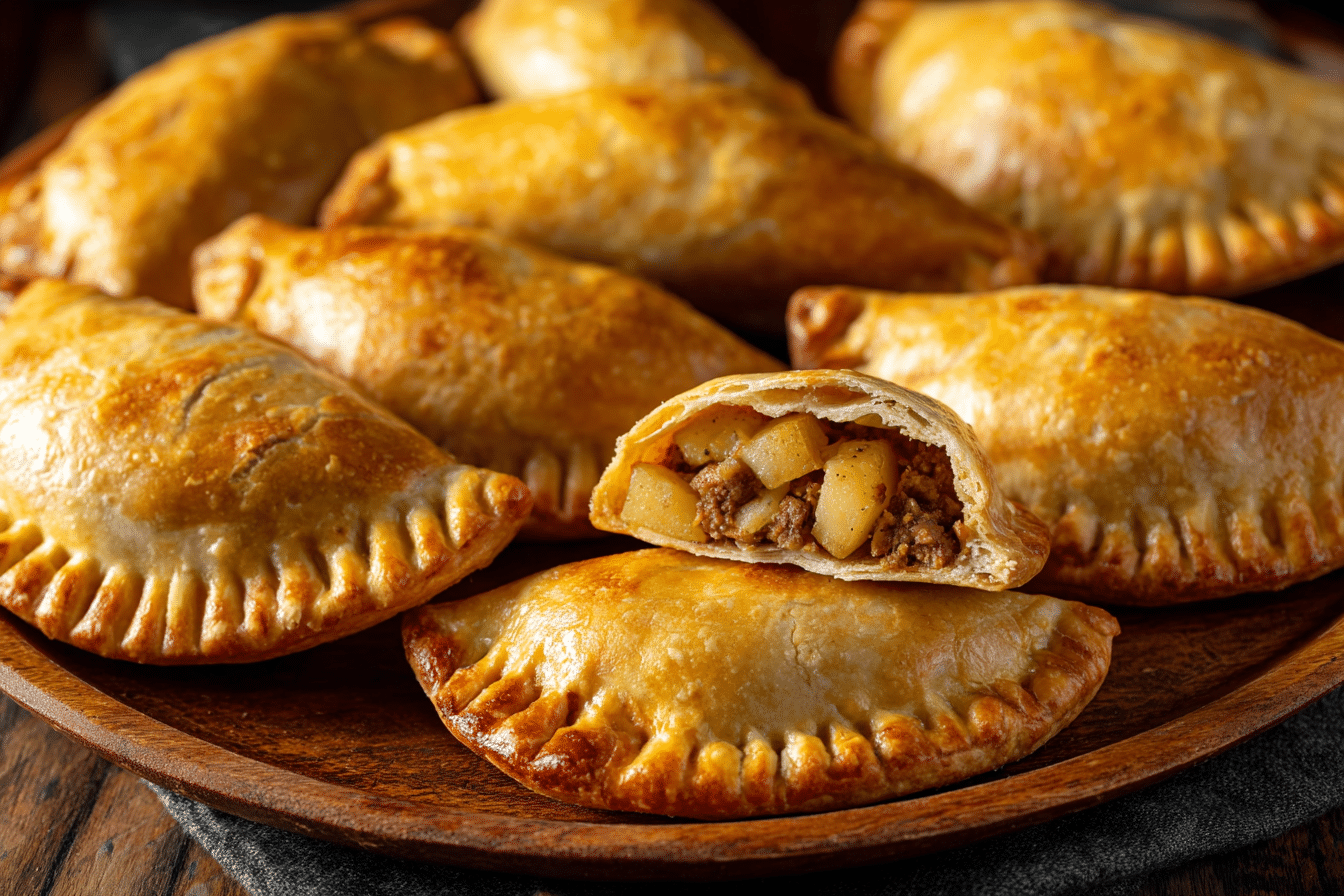
Irish pasties are a warm, comforting treat that perfectly balance flaky pastry with savory, flavorful fillings. These handheld delights combine tender meat, hearty vegetables, and fragrant herbs, all wrapped in a crisp, buttery shell. Their charm lies in their simplicity: everyday ingredients are transformed into a satisfying, rustic meal or snack. Each bite offers a pleasing contrast of textures—the golden, crispy exterior giving way to a soft, well-seasoned interior that makes them utterly irresistible.
Originating in Ireland, pasties were once practical meals for travelers and workers, designed to be portable yet nourishing. Today, they continue to be a beloved comfort food, celebrated for their hearty flavors and approachable preparation. Fresh from the oven or reheated later, Irish pasties provide a warm, satisfying experience that’s perfect for lunch, dinner, or even a casual snack on the go.
Ingredients Overview
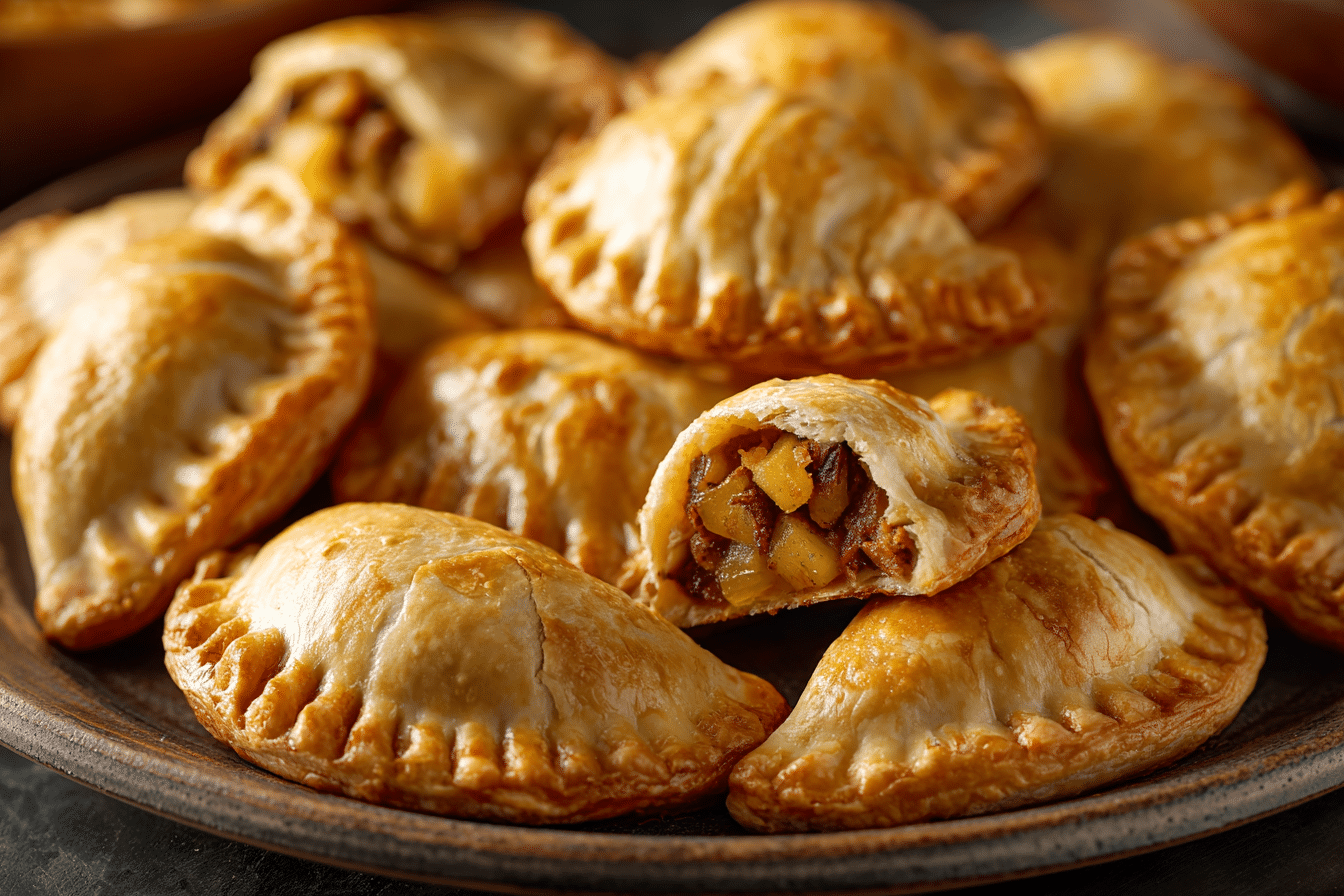
The success of Irish pasties comes from the harmony of its filling ingredients and the quality of the pastry. Traditionally, diced beef or lamb forms the main protein, offering rich, savory notes. Root vegetables such as potatoes, carrots, and parsnips lend texture and natural sweetness, complementing the meat’s flavor. Onions and garlic bring aromatic depth, while fresh herbs like thyme and parsley add brightness and earthiness, creating a layered, well-rounded taste.
The pastry plays an equally important role. A shortcrust or all-butter pastry provides a tender, crisp shell that holds the filling without becoming soggy. Some recipes use a mix of butter and lard to increase flakiness, while others rely solely on butter for a richer flavor. Together, the flaky crust and hearty filling make for a truly comforting combination. Substitutions are flexible: sweet potatoes or seasonal vegetables can replace standard roots, and chicken can stand in for beef or lamb for a lighter option.
Ingredients
1 pound beef or lamb, diced
2 medium potatoes, peeled and diced
2 carrots, peeled and diced
1 small parsnip, peeled and diced
1 medium onion, finely chopped
2 cloves garlic, minced
2 tablespoons fresh parsley, chopped
1 teaspoon fresh thyme leaves
1 teaspoon salt
1/2 teaspoon black pepper
1/4 teaspoon paprika
2 tablespoons olive oil
1 package (about 14 ounces) all-butter or shortcrust pastry
1 large egg, beaten (for brushing)
Step-by-Step Instructions
-
Preheat your oven to 400°F (200°C) and line a baking tray with parchment paper.
-
Heat olive oil in a large skillet over medium heat. Add the diced meat and cook until browned on all sides, about 5–7 minutes. Remove the meat from the skillet and set aside.
-
In the same skillet, sauté onion, garlic, carrots, and parsnip for 5–6 minutes until softened. Add the diced potatoes and cook another 3–4 minutes.
-
Return the meat to the skillet, season with parsley, thyme, salt, pepper, and paprika, and stir to combine. Allow the mixture to cool slightly before filling the pastry.
-
Roll out the pastry on a lightly floured surface to roughly 1/8-inch thickness. Cut into rectangles about 6×4 inches.
-
Place 2–3 tablespoons of the filling on one side of each pastry rectangle, leaving a border around the edges.
-
Fold the pastry over the filling to create a semi-circle or rectangle and press the edges firmly to seal. Crimp with a fork for a decorative edge.
-
Brush each pasty with the beaten egg to give them a golden finish.
-
Bake for 25–30 minutes, or until the pastry is crisp and golden brown. Let the pasties rest for 5 minutes before serving.
Avoid overfilling, which can cause leakage, and keep the pastry chilled to prevent tearing.
Tips, Variations & Substitutions
For richer flavor, mix beef and lamb in the filling. Vegetarian options include mushrooms, lentils, or seasonal vegetables. Cheese can be added for a creamy twist. Sweet potatoes can replace standard potatoes for a slightly sweeter taste. Keep the pastry chilled until assembly to ensure maximum flakiness. Pasties can be made ahead and frozen, then baked straight from the freezer for a convenient meal.
Serving Ideas & Occasions
Serve Irish pasties with a crisp salad, roasted vegetables, or a warming soup. They are ideal for casual dinners, picnics, or family gatherings. Perfect for lunchboxes or portable snacks, pasties maintain their warmth and flavor when reheated. Traditional accompaniments like mustard or chutney enhance their hearty taste, making every bite satisfying.
Nutritional & Health Notes
Irish pasties provide a balance of protein, carbohydrates, and fiber. Meat supplies protein and iron, while vegetables add vitamins, minerals, and natural sweetness. Baking rather than frying reduces fat content, and portion control keeps the meal satisfying without excess calories. Variations with more vegetables or lean meats offer lighter alternatives while maintaining flavor and comfort.
FAQs
Can I prepare Irish pasties ahead of time?
Yes. You can assemble the pasties in advance and store them in the refrigerator for up to 24 hours before baking. For longer storage, freeze the unbaked pasties and bake them straight from the freezer, adding a few extra minutes to the cooking time.
Can I substitute chicken for beef or lamb?
Absolutely. Diced chicken breast or thigh works well. Since chicken cooks faster, adjust the sautéing time accordingly. Herbs like rosemary or sage can enhance the flavor of chicken pasties.
What type of pastry is best?
Shortcrust or all-butter pastry works best. Shortcrust gives a tender, crisp texture, while all-butter adds richness. Avoid pre-made puff pastry if aiming for traditional texture, though it can be used in a pinch.
Are vegetarian pasties possible?
Yes. Use vegetables, mushrooms, or lentils in place of meat. Root vegetables and herbs provide hearty flavor. Cheese can be added for extra richness. Cooking times remain similar to traditional pasties.
How do I prevent the pastry from becoming soggy?
Cool the filling before assembling, and keep pastry chilled. Avoid overfilling and bake at the recommended temperature for a crisp, golden finish.
Can I add cheese to the filling?
Yes. Cheese such as cheddar or Irish farmhouse varieties adds creamy flavor and pairs well with both meat and vegetable fillings.
How should leftovers be stored?
Store leftovers in an airtight container in the refrigerator for up to 3 days. Reheat in the oven at 350°F (175°C) to restore crispness. They can also be frozen for later use.
Print
Flaky, golden pastries stuffed with savory meat, vegetables, and aromatic herbs.
Ingredients
1 pound beef or lamb, diced
2 medium potatoes, peeled and diced
2 carrots, peeled and diced
1 small parsnip, peeled and diced
1 medium onion, finely chopped
2 cloves garlic, minced
2 tablespoons fresh parsley, chopped
1 teaspoon fresh thyme leaves
1 teaspoon salt
1/2 teaspoon black pepper
1/4 teaspoon paprika
2 tablespoons olive oil
1 package (about 14 ounces) all-butter or shortcrust pastry
1 large egg, beaten
Instructions
-
Preheat oven to 400°F (200°C) and line a baking sheet with parchment paper.
-
Brown meat in olive oil over medium heat, 5–7 minutes. Remove.
-
Sauté onion, garlic, carrots, parsnip for 5–6 minutes; add potatoes 3–4 minutes.
-
Return meat; add parsley, thyme, salt, pepper, paprika. Cool slightly.
-
Roll pastry to 1/8-inch thickness; cut into 6×4 inch rectangles.
-
Spoon 2–3 tablespoons filling onto each pastry half.
-
Fold and seal edges; crimp with a fork.
-
Brush with beaten egg.
-
Bake 25–30 minutes until golden; rest 5 minutes before serving.