
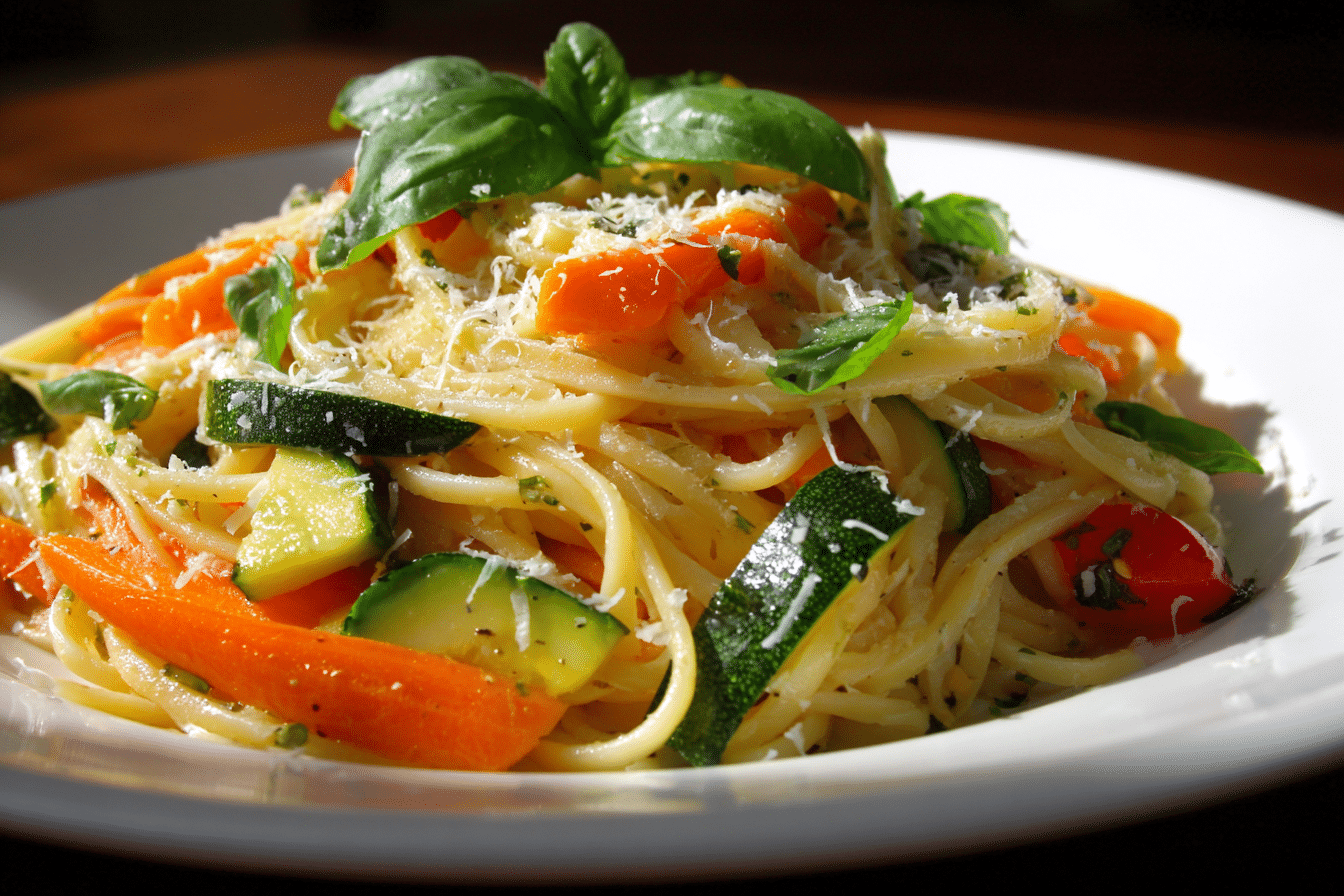
Pasta Primavera is a classic springtime dish that captures the essence of fresh vegetables tossed with perfectly cooked pasta. This vibrant, colorful recipe celebrates seasonal produce, creating a meal that is as visually appealing as it is flavorful. Pasta Primavera offers a balance of textures—from al dente noodles to tender-crisp vegetables—making it a versatile dish perfect for both weeknight dinners and elegant gatherings. Its light, herb-infused sauce enhances the natural flavors of the vegetables without overwhelming them, creating a harmonious and satisfying experience with every bite.
Whether you are cooking for family, friends, or just treating yourself, Pasta Primavera delivers a comforting yet fresh taste that stands out on any table. This recipe guide will walk you through ingredients, preparation, tips, and serving suggestions to ensure your Pasta Primavera turns out perfectly every time.
Ingredients Overview
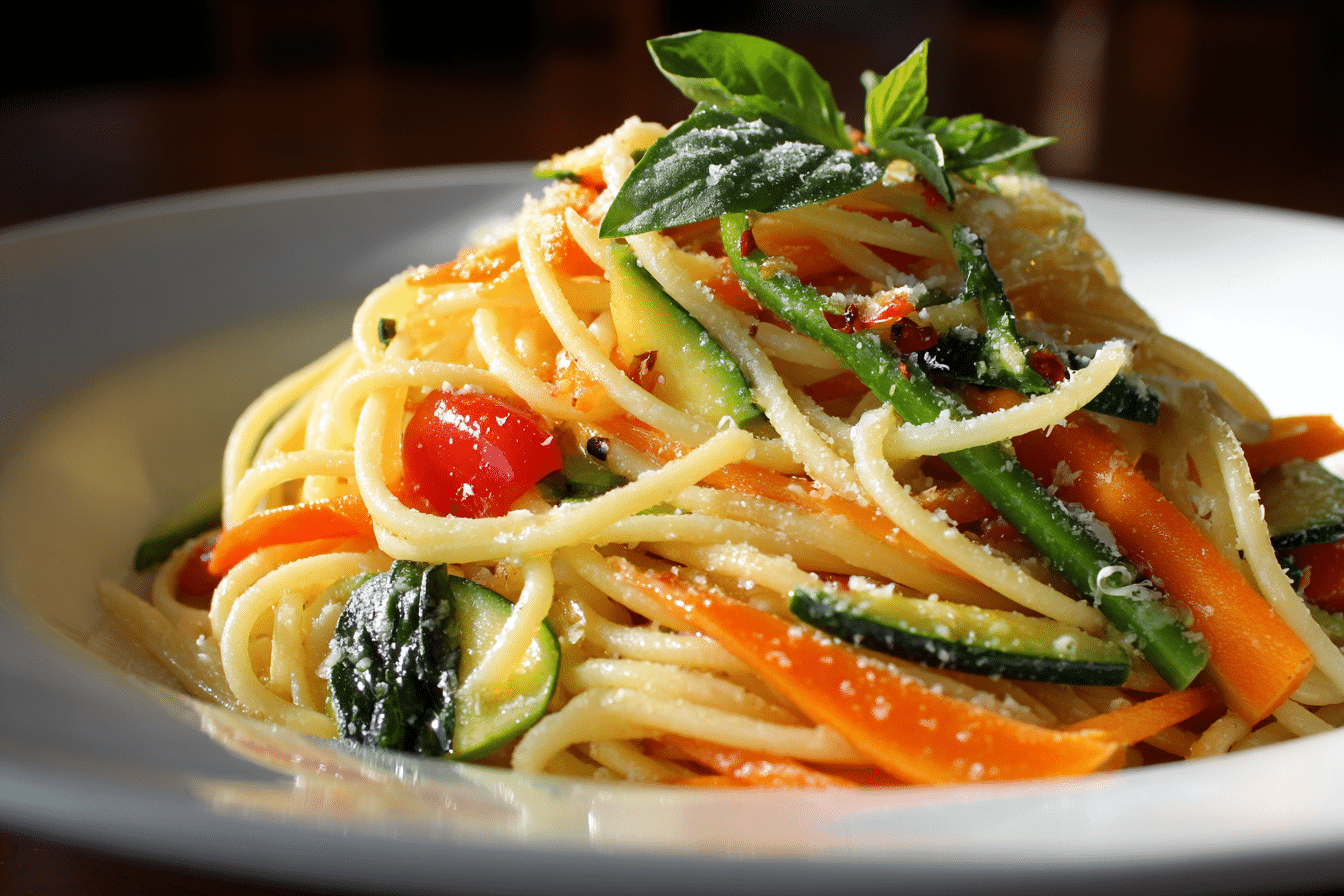
The key to a successful Pasta Primavera lies in the quality and variety of vegetables. Bell peppers, zucchini, cherry tomatoes, and asparagus are classic choices, offering a mix of sweetness, crunch, and subtle earthiness. Carrots or peas can also be added for extra color and texture. The vegetables are lightly sautéed or blanched to retain their natural flavors and vibrant hues.
Pasta selection is crucial. Long noodles such as linguine or fettuccine work beautifully as they wrap around the vegetables, while penne or rigatoni offer a sturdier texture that holds sauce well. Olive oil and butter provide the base for sautéing and contribute richness, while garlic and shallots add depth and aroma. Fresh herbs such as basil, parsley, and thyme brighten the dish, balancing the richness of the butter or olive oil.
A touch of lemon juice or zest elevates the freshness and prevents the flavors from feeling heavy. Parmesan or Pecorino Romano cheese adds a savory, slightly nutty note that complements the vegetables. For dietary flexibility, vegan alternatives like nutritional yeast or plant-based cheese can be used without compromising flavor. Cream can also be added for a richer, more indulgent sauce. The interplay of these ingredients—aromatic, fresh, and texturally varied—creates a balanced dish that feels lively and satisfying.
Ingredients
12 ounces linguine or fettuccine pasta
2 tablespoons olive oil
2 tablespoons unsalted butter
2 cloves garlic, minced
1 small shallot, finely chopped
1 medium zucchini, sliced into half-moons
1 medium yellow squash, sliced into half-moons
1 red bell pepper, thinly sliced
1 yellow bell pepper, thinly sliced
1 cup asparagus, trimmed and cut into 2-inch pieces
1 cup cherry tomatoes, halved
1/2 cup peas (fresh or frozen)
1/4 teaspoon red pepper flakes (optional)
Salt and black pepper to taste
1/4 cup freshly grated Parmesan cheese
2 tablespoons fresh basil, chopped
1 tablespoon fresh parsley, chopped
1 teaspoon fresh thyme leaves
1 teaspoon lemon zest
1 tablespoon lemon juice
Step-by-Step Instructions
-
Bring a large pot of salted water to a boil. Cook the pasta according to package directions until al dente. Reserve 1/2 cup of pasta water, then drain and set aside.
-
While the pasta cooks, heat olive oil and butter in a large skillet over medium heat. Add minced garlic and shallot, sautéing for 1–2 minutes until fragrant and slightly golden. Avoid burning the garlic, as this can introduce a bitter taste.
-
Add zucchini, yellow squash, bell peppers, and asparagus to the skillet. Sauté for 4–5 minutes until vegetables are tender-crisp. Stir frequently to ensure even cooking.
-
Stir in cherry tomatoes, peas, and red pepper flakes (if using). Cook an additional 2 minutes, just until tomatoes soften and peas are heated through. The vegetables should remain bright and slightly firm to maintain texture contrast.
-
Add cooked pasta to the skillet and toss with the vegetables. Gradually pour in reserved pasta water to help coat the noodles evenly and loosen the pan mixture. The sauce should lightly cling to the pasta rather than fully saturating it.
-
Remove the skillet from heat and stir in Parmesan, fresh herbs, lemon zest, and lemon juice. Toss everything thoroughly to combine. Taste and season with additional salt and black pepper as needed.
-
Serve immediately, garnished with extra Parmesan and a few fresh basil leaves. Ensure pasta remains warm but not overcooked, as it will continue to soften if left standing in the skillet.
Common mistakes include overcooking vegetables, which can turn them mushy, and adding cheese too early, which can cause clumping. Always taste and adjust seasoning at the end to maintain freshness and balance.
Tips, Variations & Substitutions
To add depth, consider roasting vegetables instead of sautéing them. Roasting caramelizes their natural sugars, producing a slightly sweeter flavor. For a creamier version, stir in 1/4 cup of heavy cream or half-and-half at the end.
For a protein boost, add grilled chicken, shrimp, or tofu. Spinach or arugula can be stirred in at the last minute for extra greens, while sun-dried tomatoes add a tangy punch. Gluten-free pasta or whole-grain varieties can be substituted without affecting the dish’s integrity.
Herb variations work beautifully—tarragon, chives, or oregano can replace basil and parsley for subtle flavor shifts. Nutritional yeast provides a cheesy flavor for vegan diets, and a drizzle of balsamic reduction offers a touch of sweetness and acidity. Adjust the seasoning gradually, especially when experimenting with new ingredients, to maintain harmony between vegetables, pasta, and sauce.
Serving Ideas & Occasions
Pasta Primavera pairs well with a crisp white wine such as Sauvignon Blanc or Pinot Grigio, which complement the light, fresh flavors. For non-alcoholic options, sparkling water with a slice of lemon works beautifully. Side dishes like garlic bread, a simple arugula salad, or roasted vegetables round out the meal.
This dish is perfect for spring and summer gatherings, casual weeknight dinners, or when you want to impress guests with a colorful, healthy meal. Its vibrant presentation makes it ideal for potlucks, brunches, or even as a centerpiece for a festive dinner table. The versatility of Pasta Primavera ensures it fits both elegant and casual dining settings.
Nutritional & Health Notes
Pasta Primavera is nutrient-rich, offering a variety of vitamins, minerals, and fiber from the fresh vegetables. Zucchini, bell peppers, and asparagus contribute antioxidants and essential vitamins, while peas add protein and fiber. Using olive oil provides healthy monounsaturated fats, and Parmesan cheese adds calcium and flavor without excess calories.
For a lighter version, reduce the butter or cheese, and focus on olive oil and herbs to keep the dish fresh and wholesome. Whole-grain pasta increases fiber content and stabilizes blood sugar, while gluten-free options make it accessible to those with sensitivities. The lemon juice and fresh herbs enhance flavor without adding sodium or calories, keeping the dish balanced and satisfying for a healthy lifestyle.
FAQs
Can I make Pasta Primavera ahead of time?
Pasta Primavera is best enjoyed fresh, as the vegetables retain their texture and vibrant color when served immediately. If needed, you can prepare the vegetables ahead and store them separately in an airtight container. Pasta can also be cooked and refrigerated, but avoid combining until reheating to prevent mushy textures.
Can I freeze Pasta Primavera?
Freezing is not ideal due to the delicate nature of the vegetables, which can become watery and lose their crispness. If freezing is necessary, cook pasta slightly under al dente and blanch vegetables briefly. Reheat gently in a skillet with a splash of water or olive oil.
What pasta works best for this dish?
Long noodles like linguine or fettuccine are ideal as they wrap around vegetables beautifully. Penne or rigatoni can be used if you prefer a sturdier pasta. Avoid overcooked pasta to maintain a pleasant bite.
Can I make it vegan?
Yes. Use plant-based butter or olive oil exclusively, replace Parmesan with nutritional yeast or vegan cheese, and omit any dairy ingredients. The dish remains flavorful and satisfying.
How do I prevent vegetables from becoming mushy?
Cook vegetables over medium heat and avoid overcrowding the pan. Sauté until just tender-crisp, and stir frequently to ensure even cooking. Remove from heat promptly to maintain texture.
Can I add protein to Pasta Primavera?
Absolutely. Grilled chicken, shrimp, tofu, or tempeh are excellent additions. Cook proteins separately and fold them into the pasta at the end to maintain texture and flavor balance.
How do I adjust the flavor for more zest?
Lemon juice and zest are key for brightness. Fresh herbs like basil and parsley add freshness, while red pepper flakes introduce mild heat. Adjust gradually, tasting frequently to balance flavors without overpowering the vegetables.
PrintPasta Primavera: 9 Ultimate Ideas For A Vibrant Feast
Pasta Primavera is a colorful pasta dish featuring tender-crisp vegetables and a light herb-infused sauce, perfect for spring and summer meals.
Ingredients
12 ounces linguine or fettuccine pasta
2 tablespoons olive oil
2 tablespoons unsalted butter
2 cloves garlic, minced
1 small shallot, finely chopped
1 medium zucchini, sliced into half-moons
1 medium yellow squash, sliced into half-moons
1 red bell pepper, thinly sliced
1 yellow bell pepper, thinly sliced
1 cup asparagus, trimmed and cut into 2-inch pieces
1 cup cherry tomatoes, halved
1/2 cup peas (fresh or frozen)
1/4 teaspoon red pepper flakes (optional)
Salt and black pepper to taste
1/4 cup freshly grated Parmesan cheese
2 tablespoons fresh basil, chopped
1 tablespoon fresh parsley, chopped
1 teaspoon fresh thyme leaves
1 teaspoon lemon zest
1 tablespoon lemon juice
Instructions
-
Bring a large pot of salted water to a boil. Cook the pasta until al dente. Reserve 1/2 cup of pasta water, then drain.
-
Heat olive oil and butter in a large skillet over medium heat. Add garlic and shallot; sauté 1–2 minutes.
-
Add zucchini, yellow squash, bell peppers, and asparagus; sauté 4–5 minutes until tender-crisp.
-
Stir in cherry tomatoes, peas, and red pepper flakes; cook 2 minutes.
-
Add pasta to the skillet, toss with vegetables, and add reserved pasta water gradually.
-
Remove from heat; stir in Parmesan, herbs, lemon zest, and juice. Toss to combine. Season with salt and pepper.