

Spring Pea and Garden Herb Fettuccine is a celebration of spring on a plate. Tender fettuccine ribbons coated in a delicate herb and pea sauce offer a vibrant, garden-fresh experience that feels light yet indulgent. The combination of sweet peas, fragrant herbs, and a touch of garlic creates a harmonious balance of flavor and texture. This dish brings freshness to your weeknight dinners while maintaining a comforting, homemade charm. Its color and aroma make it perfect for a weekend brunch, a family meal, or a simple but elegant dinner that delights the senses.
The appeal of Spring Pea and Garden Herb Fettuccine lies in its simplicity and the quality of ingredients. Each component works together to provide a dish that is visually stunning and pleasing to the palate. Fresh peas and herbs add a lively green hue, while the fettuccine provides a hearty base. A touch of creaminess or olive oil brings the flavors together, and Parmesan or other aged cheeses add depth and umami. This recipe is straightforward, approachable for home cooks, and can easily be adapted to suit different dietary preferences.
Ingredients Overview
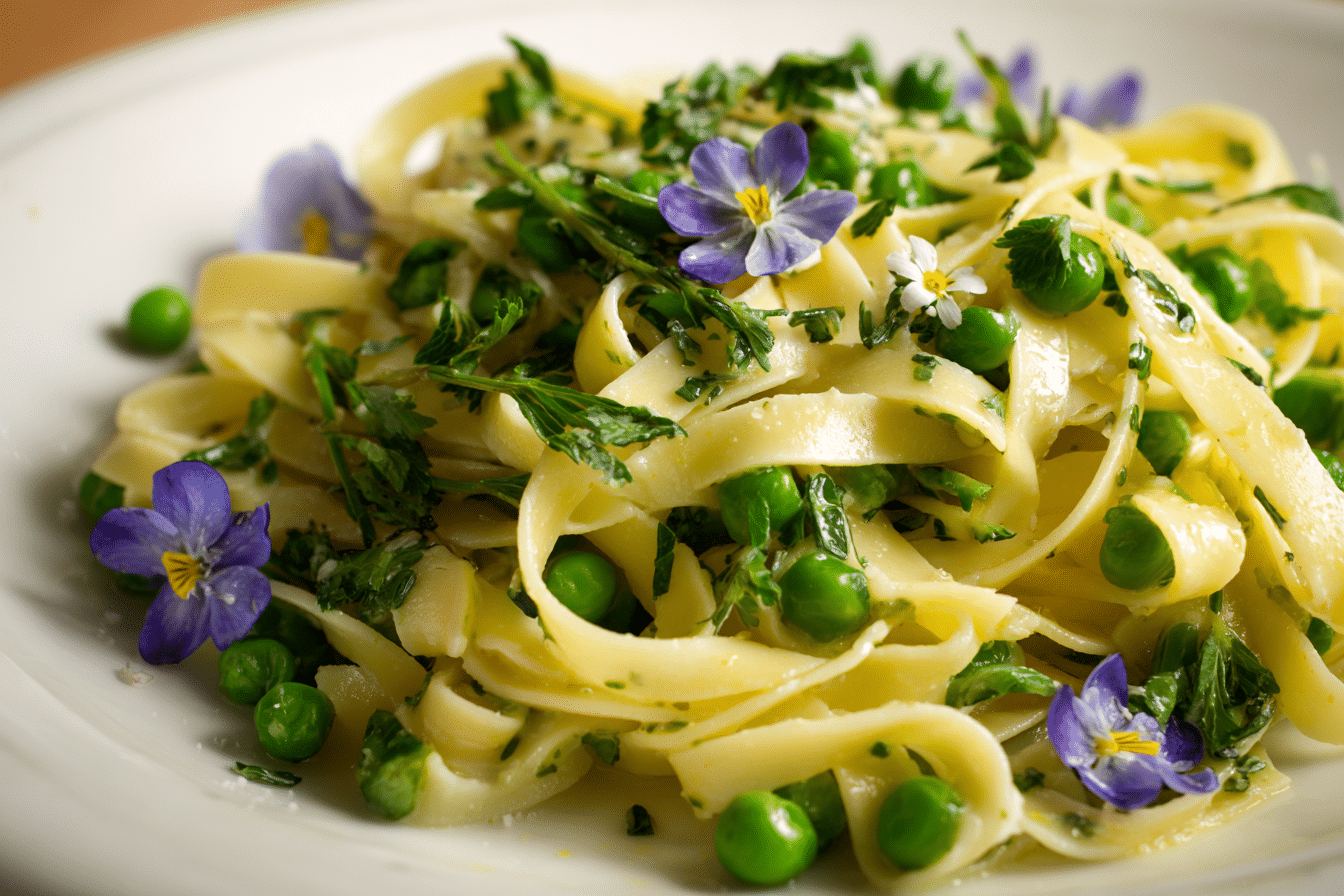
The key ingredients in Spring Pea and Garden Herb Fettuccine play a crucial role in creating its fresh and balanced flavor. Fresh or frozen peas are the star of the dish, bringing a natural sweetness and bright color. When choosing peas, fresh ones are ideal for a vibrant taste, while frozen peas are a convenient option without sacrificing much flavor. Fettuccine noodles are the perfect choice for holding the sauce; their wide, flat shape allows every ribbon to be coated evenly.
Garden herbs such as basil, parsley, mint, or tarragon add aromatic complexity. Basil provides a sweet and slightly peppery note, parsley contributes a bright, clean flavor, mint adds a cooling freshness, and tarragon lends a subtle anise-like nuance. Garlic is used to infuse the dish with savory depth, while olive oil or a light cream sauce brings a smooth texture. Parmesan cheese or Pecorino Romano enhances the umami profile, adding richness without overwhelming the delicate pea flavor.
Lemon zest or juice is an optional yet powerful addition, offering a fresh, citrusy brightness that lifts the entire dish. For texture and visual contrast, toasted pine nuts or slivered almonds can be sprinkled on top. Ingredient substitutions are easy: if dairy is avoided, nutritional yeast or a plant-based parmesan can replicate the cheesy notes, and gluten-free fettuccine can be used without compromising the overall structure.
Combining these ingredients carefully ensures a vibrant, well-rounded dish. The sweetness of the peas, the aromatic lift from herbs, and the slight tang from cheese or lemon interplay beautifully, while the noodles provide a satisfying base. The sauce clings to each strand, ensuring every bite is a perfect balance of flavor and texture.
Ingredients
12 ounces fettuccine
2 cups fresh or frozen peas
3 tablespoons extra virgin olive oil
3 cloves garlic, minced
1/4 cup fresh basil leaves, chopped
1/4 cup fresh parsley, chopped
2 tablespoons fresh mint, chopped
1 tablespoon fresh tarragon, chopped
1/2 cup grated Parmesan cheese
Zest of 1 lemon
Salt and freshly ground black pepper, to taste
1/4 cup toasted pine nuts (optional)
1/4 cup reserved pasta water
Step-by-Step Instructions
Begin by bringing a large pot of salted water to a rolling boil. Cook the fettuccine according to package instructions until al dente. This typically takes 10 to 12 minutes. Reserve 1/4 cup of pasta water before draining the noodles to help loosen the sauce if needed. Drain the pasta and set aside while preparing the sauce.
In a large skillet, heat the olive oil over medium heat. Add the minced garlic and sauté for 30 to 60 seconds until fragrant but not browned, as burnt garlic can create a bitter taste. Immediately add the peas and sauté for 3–4 minutes until they are tender but still bright green. If using frozen peas, they can go directly into the skillet without thawing.
Reduce the heat to low and stir in the chopped herbs: basil, parsley, mint, and tarragon. Cook for 1–2 minutes, allowing the herbs to release their essential oils. This step is critical to avoid overcooking, which can dull the vibrant flavor of the herbs. Season with salt, black pepper, and lemon zest for a fresh, lively finish.
Add the cooked fettuccine directly into the skillet, tossing gently to coat each strand with the herb and pea mixture. If the sauce feels too thick or dry, gradually stir in reserved pasta water, a tablespoon at a time, until the desired consistency is reached. Sprinkle the grated Parmesan over the pasta and toss until melted and evenly incorporated.
Finally, plate the fettuccine, ensuring a colorful mix of peas and herbs is visible. Garnish with toasted pine nuts for added crunch if desired. Serve immediately for optimal freshness and flavor. Common mistakes to avoid include overcooking the pasta, which results in a mushy texture, and overheating the garlic or herbs, which can create bitterness. Always taste and adjust seasoning before serving to maintain the dish’s bright and balanced profile.
Tips, Variations & Substitutions
To maximize flavor, use fresh, in-season herbs whenever possible. They provide a stronger aroma and a more pronounced taste than dried herbs. For a creamier texture, you can stir in 2–3 tablespoons of cream or a dollop of mascarpone cheese before adding the pasta. This enhances richness without overpowering the delicate flavors.
For a vegan or dairy-free version, substitute olive oil for butter and nutritional yeast for Parmesan. Gluten-free fettuccine is an easy swap for those avoiding gluten. You can also experiment with different herbs depending on what you have on hand; chives, dill, or oregano work well and provide interesting variations in flavor.
Adding a touch of lemon juice or zest just before serving brightens the dish. For additional texture and visual appeal, sprinkle toasted seeds or nuts, like pumpkin seeds or slivered almonds. If you want a protein boost, toss in cooked shrimp, diced chicken, or crispy tofu. The dish is versatile, allowing for creative adaptations while keeping the fresh springtime essence intact.
Serving Ideas & Occasions
Spring Pea and Garden Herb Fettuccine is perfect as a main course for a light lunch, a brunch centerpiece, or a springtime dinner with family or friends. Pair it with a crisp white wine such as Sauvignon Blanc or a light Pinot Grigio to complement the pea sweetness and herbaceous notes. A simple green salad with lemon vinaigrette or roasted asparagus makes an ideal accompaniment.
This dish is also suitable for casual dinners or celebratory gatherings where fresh, seasonal flavors are desired. Its bright appearance and aromatic profile make it a visually impressive and appetizing choice for entertaining. Serve in shallow bowls to highlight the vibrant green color, making it as appealing to the eyes as it is to the palate.
Nutritional & Health Notes
Spring Pea and Garden Herb Fettuccine provides a balanced mix of carbohydrates, protein, and healthy fats. Peas offer a rich source of plant-based protein, fiber, and vitamins A, C, and K. Fresh herbs are packed with antioxidants and add flavor without extra calories. Olive oil contributes heart-healthy monounsaturated fats, while Parmesan adds calcium and umami depth.
This recipe can easily be adjusted for lower-fat versions by reducing the amount of cheese or olive oil, or by using plant-based alternatives. The combination of fresh peas, herbs, and lemon provides a nutrient-dense dish that feels indulgent without being heavy. Portion control ensures a satisfying meal that aligns with a balanced dietary approach, while the use of colorful vegetables increases visual appeal and encourages mindful eating.
FAQs
Can I use frozen peas instead of fresh?
Yes, frozen peas can be used without compromising flavor. They are picked at peak ripeness and flash-frozen, which preserves sweetness and color. When cooking, add them directly to the skillet and sauté for 3–4 minutes until tender. Avoid overcooking, as this can lead to a dull taste and mushy texture. Frozen peas are convenient and work perfectly in this Spring Pea and Garden Herb Fettuccine.
How can I make this dish vegan?
To make this dish vegan, replace Parmesan with nutritional yeast and use olive oil instead of butter. You can also select a plant-based fettuccine if necessary. Fresh herbs and peas maintain their bright flavor, and the dish remains creamy and satisfying without dairy. Adding a touch of lemon juice will enhance the overall taste while keeping it fresh and light.
What herbs work best in this recipe?
Basil, parsley, mint, and tarragon are recommended for their complementary flavors. Basil adds sweetness and peppery notes, parsley contributes brightness, mint provides cooling freshness, and tarragon introduces subtle anise undertones. You can experiment with chives, dill, or oregano for different variations, but avoid overcooking herbs to retain their vibrant aroma.
Can I prepare this dish ahead of time?
It’s best served fresh, but you can prepare components ahead. Cook the fettuccine and store separately in an airtight container. Blanch the peas and chop herbs in advance. When ready to serve, reheat gently and combine with fresh herbs to maintain flavor and texture. Avoid long storage with cheese already incorporated, as it may alter the consistency.
Can I add protein to the fettuccine?
Yes, cooked shrimp, diced chicken, or crispy tofu can be added to enrich the dish. Add protein after sautéing the peas and herbs, tossing briefly to combine. This approach preserves the fresh flavors while making the meal more substantial and balanced. Adjust seasoning accordingly to ensure a harmonious taste.
How do I prevent the pasta from sticking?
Toss the fettuccine with a small amount of olive oil or reserved pasta water immediately after draining. This prevents the noodles from clumping together. Stir gently but thoroughly to ensure each strand is coated, and avoid overcooking the pasta to keep it firm and separate. Proper timing and tossing are key for ideal texture.
Can I store leftovers?
Leftovers can be stored in an airtight container in the refrigerator for up to 2 days. Reheat gently in a skillet with a splash of pasta water to loosen the sauce. Avoid using high heat, which can wilt herbs and toughen the pasta. Freshen with a sprinkle of additional herbs or a touch of lemon before serving to retain the vibrant spring flavors.
Print
Tender fettuccine tossed with sweet peas and fresh garden herbs, lightly coated in olive oil and Parmesan for a bright, flavorful spring dish.
Ingredients
12 ounces fettuccine
2 cups fresh or frozen peas
3 tablespoons extra virgin olive oil
3 cloves garlic, minced
1/4 cup fresh basil leaves, chopped
1/4 cup fresh parsley, chopped
2 tablespoons fresh mint, chopped
1 tablespoon fresh tarragon, chopped
1/2 cup grated Parmesan cheese
Zest of 1 lemon
Salt and freshly ground black pepper, to taste
1/4 cup toasted pine nuts (optional)
1/4 cup reserved pasta water
Instructions
-
Bring a large pot of salted water to a boil and cook fettuccine until al dente. Reserve 1/4 cup pasta water and drain noodles.
-
Heat olive oil in a large skillet over medium heat. Sauté garlic for 30–60 seconds until fragrant.
-
Add peas and sauté for 3–4 minutes until tender and bright green.
-
Reduce heat to low and stir in chopped herbs for 1–2 minutes. Season with salt, pepper, and lemon zest.
-
Add fettuccine to the skillet, tossing to coat with the herb and pea mixture. Use reserved pasta water if needed.
-
Sprinkle Parmesan over pasta and toss until incorporated.
-
Plate the fettuccine, garnish with toasted pine nuts if desired, and serve immediately.