
Lemon Ricotta Pasta is a dish that strikes the perfect balance between bright, tangy freshness and creamy comfort. This recipe transforms simple ingredients into a pasta experience that feels both indulgent and light, making it ideal for weeknight dinners or special gatherings. With the luscious creaminess of ricotta, the zesty brightness of lemon, and perfectly cooked pasta, this dish has a way of feeling simultaneously luxurious and effortlessly easy.
The Best Lemon Ricotta Pasta combines textures and flavors that complement each other beautifully. The ricotta adds a velvety creaminess that clings to every strand of pasta, while the lemon juice and zest provide a refreshing lift that prevents the dish from feeling heavy. Fresh herbs like basil or parsley can bring an aromatic twist, enhancing the overall experience. With each bite, you get a harmonious mix of silky, tangy, and savory notes that will keep you coming back for more.
Ingredients Overview

The foundation of The Best Lemon Ricotta Pasta lies in fresh, high-quality ingredients. The ricotta is the star, offering a creamy texture that gives the pasta body and a mild, slightly sweet flavor. Opt for whole-milk ricotta for the richest results, though part-skim can be used for a lighter alternative. The lemon, both juice and zest, introduces a lively brightness that balances the richness of the cheese, making the dish feel fresh and uplifting.
Olive oil and garlic are crucial for layering flavor. Garlic provides an aromatic depth, while olive oil acts as a subtle binder and adds smoothness. Fresh herbs, especially basil or parsley, introduce color and a fragrant freshness that contrasts the creaminess of the ricotta. Parmesan or Pecorino Romano brings a salty, umami punch, intensifying the flavor profile without overpowering the delicate lemon and cheese.
Pasta choice affects texture: long strands like spaghetti or linguine allow the ricotta sauce to coat each strand evenly. Shorter shapes like penne or fusilli work as well, catching pockets of sauce inside each tube or twist. For substitutions, Greek yogurt can replace part of the ricotta for tangier creaminess, while lemon zest can be swapped with a touch of lemon oil if fresh lemons aren’t available. Combining these ingredients thoughtfully creates a pasta dish that is fresh, creamy, and vibrant.
Ingredients
12 ounces spaghetti or linguine
1 cup whole-milk ricotta
1 lemon, zested and juiced
2 tablespoons olive oil
2 cloves garlic, minced
1/4 cup freshly grated Parmesan or Pecorino Romano
1/4 teaspoon red pepper flakes (optional)
Salt and freshly ground black pepper, to taste
1/4 cup chopped fresh basil or parsley
1/4 cup reserved pasta cooking water
Step-by-Step Instructions
Begin by bringing a large pot of salted water to a rolling boil. Add your pasta and cook according to the package instructions until al dente. Drain, reserving 1/4 cup of the pasta water for the sauce.
While the pasta cooks, heat olive oil in a large skillet over medium heat. Add the minced garlic and sauté for about 1–2 minutes until fragrant but not browned, as burnt garlic will impart a bitter flavor.
Lower the heat and stir in the ricotta, lemon juice, and lemon zest. Mix gently to create a creamy sauce, adding reserved pasta water a little at a time to reach a silky consistency. The pasta water helps the sauce adhere to each strand without making it watery.
Add the cooked pasta to the skillet, tossing gently to coat it thoroughly with the lemon-ricotta mixture. Incorporate the Parmesan cheese and red pepper flakes, stirring until the sauce clings to every strand. Taste and season with salt and freshly ground black pepper as needed.
Finally, fold in fresh herbs, which adds both color and a bright, herbal note. Serve immediately, ensuring each plate receives a balanced portion of sauce, cheese, and herbs. Avoid leaving the pasta in the pan too long, as the sauce may firm up and lose its creamy texture.
Common mistakes include overcooking the pasta, which results in a mushy texture, or overheating the ricotta, which can cause it to separate. Keep the heat moderate and stir gently to maintain a smooth, luscious consistency.
Tips, Variations & Substitutions
For an extra creamy texture, mix in 2–3 tablespoons of mascarpone cheese with the ricotta. To add a protein element, top with grilled chicken, shrimp, or sautéed mushrooms. Swap pasta shapes depending on preference; short tubes like rigatoni trap the sauce inside, while spaghetti allows for an elegant, smooth coating.
For a tangier flavor, increase the lemon juice slightly or add a pinch of lemon zest on top when serving. To make this dish vegan, substitute ricotta with a cashew-based ricotta alternative and use nutritional yeast instead of Parmesan. For a gluten-free option, simply use your favorite gluten-free pasta.
Adding extra herbs such as thyme or chives can provide subtle nuances of flavor. Toasted breadcrumbs sprinkled on top offer a delightful crunch, contrasting the creamy sauce beautifully. The key is balancing the richness of ricotta with the freshness of lemon and herbs for a dish that feels both comforting and lively.
Serving Ideas & Occasions
The Best Lemon Ricotta Pasta pairs beautifully with a crisp green salad, roasted vegetables, or garlic bread for a complete meal. A chilled white wine like Sauvignon Blanc or Pinot Grigio complements the lemony brightness, while a sparkling water with a slice of lemon adds a refreshing non-alcoholic option.
This dish is versatile enough for weeknight dinners, yet elegant enough to serve at a dinner party or a special family gathering. Its quick preparation and impressive presentation make it a reliable choice when you want a meal that feels thoughtfully prepared but doesn’t require hours in the kitchen.
Its light yet satisfying nature makes it perfect for spring and summer meals, or any time you crave something creamy but not heavy. Whether served as a main course or alongside a simple appetizer, this pasta is designed to delight a variety of palates.
Nutritional & Health Notes
The combination of ricotta and olive oil provides a balanced source of protein and healthy fats. The lemon adds vitamin C and a refreshing, low-calorie flavor enhancement. Using whole-milk ricotta ensures a creamy texture while still keeping calories manageable per serving.
This dish can be made lighter by using part-skim ricotta or reducing the olive oil slightly. Incorporating vegetables like spinach, zucchini, or asparagus can boost fiber and micronutrient content. The dish is naturally free from heavy sauces or cream, which helps maintain a lighter profile compared to traditional alfredo-style pastas.
Moderate portion sizes paired with a fresh salad or vegetable side create a balanced, nutrient-conscious meal. The ingredients work harmoniously to provide flavor without relying on heavy, processed additives, making it a satisfying and wholesome option for pasta lovers.
FAQs
Can I make this pasta ahead of time?
You can prepare The Best Lemon Ricotta Pasta up to a day in advance, but it’s best served fresh. If storing, keep the sauce and pasta separate in airtight containers in the refrigerator. Reheat gently in a skillet over low heat, adding a splash of pasta water to restore creaminess.
Can I use low-fat ricotta?
Yes, low-fat or part-skim ricotta can be substituted, though the sauce may be slightly less creamy. To compensate, add a tablespoon of olive oil or a spoonful of mascarpone for richness without significantly altering flavor.
What pasta works best with this recipe?
Long pasta shapes like spaghetti, linguine, or fettuccine are ideal for coating with the creamy lemon-ricotta sauce. Shorter pasta shapes like penne or fusilli also work and will trap pockets of sauce in each tube or twist.
How do I prevent the sauce from separating?
Keep the heat moderate when mixing ricotta with lemon juice and pasta water. Overheating can cause the ricotta to curdle. Stir gently and add pasta water gradually to maintain a smooth, velvety texture.
Can I make this dish vegan?
Yes, you can use a cashew-based ricotta alternative and nutritional yeast instead of Parmesan. Use plant-based pasta and olive oil to keep it entirely vegan.
Can I add extra flavor to the pasta?
Absolutely. Fresh herbs like basil, parsley, thyme, or chives enhance aroma and taste. Red pepper flakes add subtle heat, while a sprinkle of lemon zest before serving brightens the flavor further.
Is this pasta suitable for meal prep?
It can be, but fresh ricotta and lemon flavor are best when served immediately. If prepping for later, store pasta and sauce separately and reheat gently, adding pasta water to maintain creaminess.
PrintThe Best Lemon Ricotta Pasta: 5 Surprising Reasons You’ll Love It
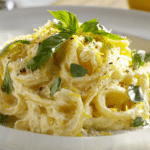
Creamy lemon-ricotta pasta with fresh herbs and Parmesan, bright, tangy, and comforting.
Ingredients
12 ounces spaghetti or linguine
1 cup whole-milk ricotta
1 lemon, zested and juiced
2 tablespoons olive oil
2 cloves garlic, minced
1/4 cup freshly grated Parmesan or Pecorino Romano
1/4 teaspoon red pepper flakes (optional)
Salt and freshly ground black pepper, to taste
1/4 cup chopped fresh basil or parsley
1/4 cup reserved pasta cooking water
Instructions
-
Bring a large pot of salted water to a boil and cook pasta until al dente. Reserve 1/4 cup pasta water.
-
Heat olive oil in a skillet over medium heat. Add garlic and sauté 1–2 minutes until fragrant.
-
Stir in ricotta, lemon juice, and zest. Add pasta water gradually to create a creamy sauce.
-
Toss cooked pasta in the sauce until coated. Mix in Parmesan and red pepper flakes. Season with salt and pepper.
-
Fold in fresh herbs. Serve immediately.