

Fresh, bright, and perfectly satisfying, Healthy Asparagus Pasta with Lemon and Parmesan is a simple yet elegant dish that transforms ordinary weeknight meals into something truly special. Tender asparagus spears mingle with al dente pasta, while a zesty lemon sauce and savory Parmesan bring layers of flavor that are both comforting and light. This recipe is ideal for those craving a wholesome dish that’s quick to prepare without sacrificing taste or nutrition.
The combination of crisp vegetables, citrus brightness, and nutty cheese creates a harmonious balance, making this pasta a favorite for spring and summer dinners. With just a handful of fresh ingredients, you can create a plate that looks beautiful and tastes even better.
Ingredients Overview
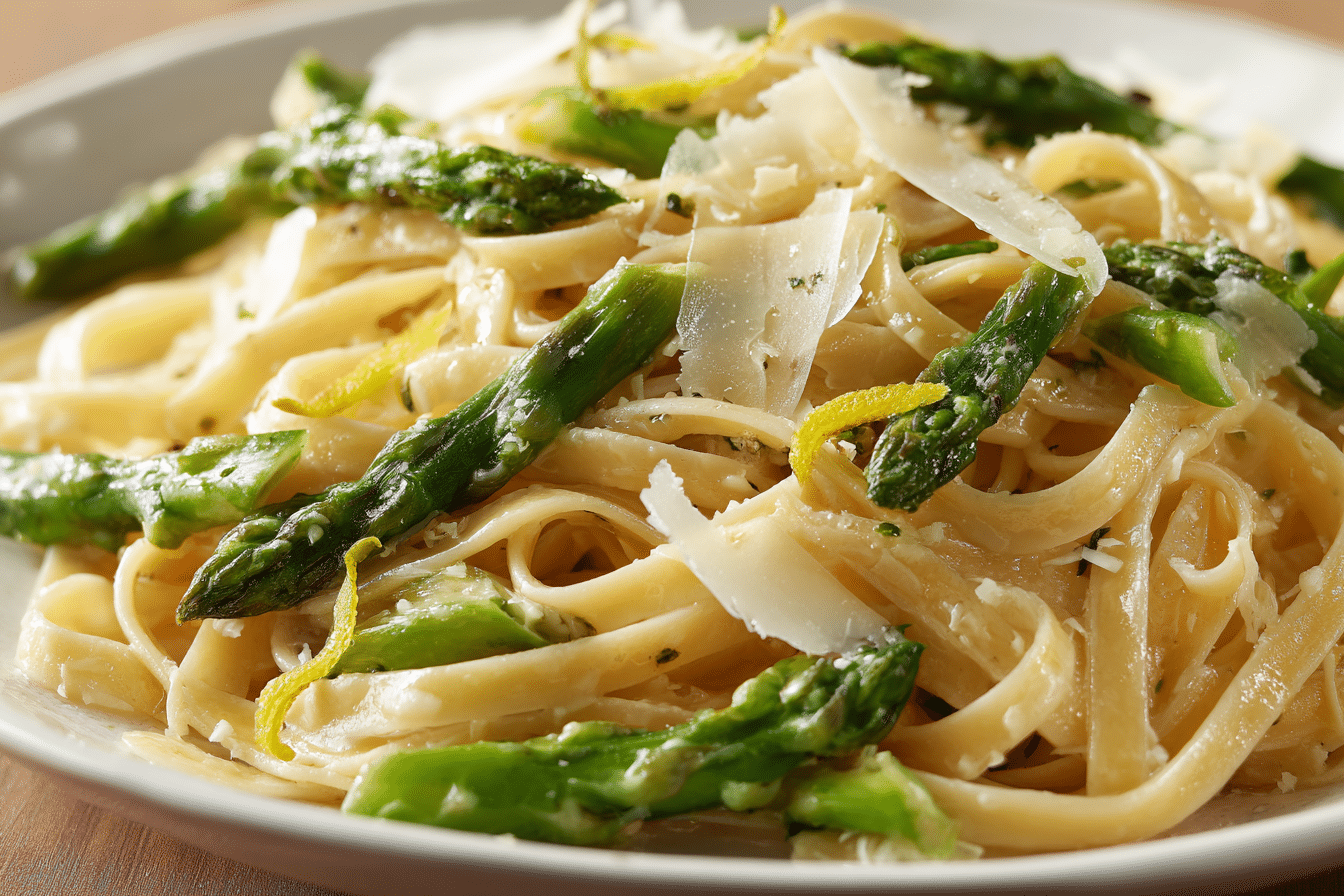
The foundation of Healthy Asparagus Pasta with Lemon and Parmesan rests on a few simple, high-quality ingredients that each play a vital role in flavor and texture. Asparagus is the star, offering tender, slightly crunchy spears that bring a mild, grassy sweetness. When blanched or sautéed lightly, asparagus retains its vibrant color and delicate bite, which pairs perfectly with the smooth pasta.
Pasta itself acts as the canvas for this dish. Choose whole wheat, spelt, or traditional semolina spaghetti or fettuccine. Whole wheat adds fiber and a nutty undertone, while traditional pasta lets the sauce shine. Cooking pasta al dente ensures it holds its shape and doesn’t become mushy when tossed with the lemon-Parmesan mixture.
Lemon juice and zest provide a bright, tangy flavor that cuts through the richness of Parmesan cheese. They also elevate the asparagus and pasta, creating a refreshing, slightly acidic note that balances the dish. Olive oil serves as a light fat to carry flavors without overpowering, and it helps the lemon and Parmesan adhere to the noodles.
Garlic adds aromatic depth. A small amount, sautéed gently, brings warmth and a subtle kick. Parmesan cheese provides savory umami and creaminess, melting slightly into the pasta for a luscious coating. Optional red pepper flakes introduce a hint of spice for those who like a little heat, while fresh herbs like parsley or basil add an herbal freshness that makes the dish feel complete.
For substitutions, Pecorino Romano can replace Parmesan for a sharper, saltier flavor. Lemon can be swapped with lime for a slightly different citrus twist. Gluten-free pasta is an excellent option for those avoiding wheat, and vegan Parmesan alternatives work for dairy-free diets. Every ingredient works in harmony, ensuring each bite is flavorful, bright, and satisfying.
Ingredients
12 ounces spaghetti or fettuccine
1 pound fresh asparagus, trimmed and cut into 2-inch pieces
3 tablespoons extra-virgin olive oil
3 cloves garlic, minced
1/2 teaspoon red pepper flakes (optional)
Zest of 1 lemon
Juice of 1 lemon (about 3 tablespoons)
1/2 cup freshly grated Parmesan cheese
Salt and black pepper, to taste
1/4 cup fresh parsley, chopped (optional for garnish)
Step-by-Step Instructions
Begin by bringing a large pot of salted water to a rolling boil. Add the pasta and cook according to the package instructions, aiming for al dente. Al dente pasta is slightly firm to the bite and will hold up well when tossed with the sauce. About 3 minutes before the pasta is finished cooking, add the asparagus to the boiling water. Blanching asparagus in this way ensures it cooks evenly without losing its bright green color.
While the pasta and asparagus cook, prepare the sauce. In a large skillet, heat the olive oil over medium heat. Add the minced garlic and sauté for 30–60 seconds until fragrant. Be careful not to burn the garlic, as it will turn bitter and overpower the dish. If using, sprinkle in red pepper flakes to add a subtle kick.
Once the pasta is drained, reserving about 1/2 cup of pasta water, transfer it to the skillet with the garlic oil. Add the blanched asparagus, lemon zest, and lemon juice. Toss gently to coat everything evenly. The reserved pasta water can be added a little at a time to help the sauce cling to the noodles and create a silky texture.
Sprinkle the Parmesan over the pasta, tossing gently to combine. The cheese will melt slightly, creating a light, creamy coating that envelops the noodles and vegetables. Taste and season with salt and freshly ground black pepper. Adjust lemon juice if you prefer a brighter, more citrus-forward flavor.
Transfer the pasta to a serving platter or individual bowls. Garnish with chopped parsley for a fresh, vibrant touch. For added depth, drizzle a little extra olive oil over the top or sprinkle with additional Parmesan. Serve immediately while warm, enjoying the combination of tender asparagus, tangy lemon, and savory cheese.
Common mistakes include overcooking the pasta or asparagus, which can make the dish mushy. Garlic should be monitored closely while sautéing to prevent burning. Be mindful of the balance between lemon and cheese; too much lemon can overpower the delicate flavors of asparagus.
Tips, Variations & Substitutions
To make this dish even more flavorful, lightly toast the asparagus in the skillet after blanching for a few minutes to bring out natural nutty notes. Adding a handful of toasted pine nuts or walnuts gives a pleasant crunch and subtle earthiness. For extra richness, fold in a spoonful of cream or mascarpone, though this is optional for those keeping the dish light.
Experiment with herbs like tarragon or chives for a unique twist. Swap spaghetti for penne or farfalle for a fun variation in texture. For a vegan version, use nutritional yeast or vegan Parmesan instead of traditional cheese and choose a plant-based pasta. Lemon zest is crucial for aromatic brightness, so don’t skip it.
Season gradually: start with a little salt and pepper, taste, and adjust as needed. This allows the natural flavors of asparagus and lemon to shine. If desired, add a few cherry tomatoes for color and a hint of sweetness. For a spicier version, increase the red pepper flakes slightly.
Serving Ideas & Occasions
Healthy Asparagus Pasta with Lemon and Parmesan is a versatile dish that works beautifully as a main course for a light lunch or dinner. Pair it with a crisp green salad, garlic bread, or roasted vegetables for a complete meal. A chilled glass of Sauvignon Blanc, Pinot Grigio, or sparkling water with lemon complements the citrusy notes perfectly.
This pasta is ideal for spring and summer gatherings, casual weeknight dinners, or even a simple, elegant meal for entertaining. Its fresh, vibrant flavors make it suitable for brunches or light dinner parties, while the easy preparation ensures you can serve something impressive without stress.
Leftovers can be stored in an airtight container in the refrigerator for up to two days. Reheat gently in a skillet with a splash of olive oil or water to prevent the noodles from sticking.
Nutritional & Health Notes
This dish is naturally light and nutritious. Asparagus provides fiber, vitamins A, C, and K, and antioxidants that support overall health. Whole wheat pasta adds additional fiber and complex carbohydrates for sustained energy. Olive oil offers heart-healthy monounsaturated fats, while lemon adds vitamin C and a refreshing brightness.
Parmesan contributes protein and calcium but should be added mindfully for sodium control. The dish is low in saturated fat, and optional vegan adaptations make it suitable for dairy-free diets. Overall, Healthy Asparagus Pasta with Lemon and Parmesan delivers a satisfying combination of macronutrients while keeping calories moderate.
By balancing fresh vegetables, high-quality pasta, and a light sauce, this recipe achieves a wholesome meal that’s flavorful, colorful, and visually appealing. It’s easy to enjoy as part of a balanced diet, with room for customization based on dietary needs or flavor preferences.
FAQs
Can I use frozen asparagus?
Yes, frozen asparagus can be used, but it should be thawed and patted dry before cooking. Blanch frozen asparagus briefly in boiling water to maintain texture, then sauté lightly to enhance flavor. Frozen asparagus may release extra water, so adjust cooking time slightly to prevent mushiness. While fresh asparagus provides the brightest flavor and color, frozen is a convenient alternative that still works well in this lemon-Parmesan pasta dish.
Can I make this pasta ahead of time?
This pasta is best served fresh, but it can be prepared a few hours in advance. Cook the pasta and asparagus separately, then store in airtight containers in the refrigerator. Reheat gently in a skillet with a splash of olive oil, adding lemon juice and Parmesan before serving to refresh flavors. Avoid reheating in the microwave for extended periods, as the texture may become soft.
Can I use other types of pasta?
Absolutely. Spaghetti and fettuccine work beautifully, but penne, farfalle, or linguine are excellent alternatives. Whole wheat or gluten-free pasta can be used depending on dietary preferences. Shorter pasta shapes hold sauce differently, so you may need to adjust the amount of lemon and cheese slightly to ensure proper coating.
How can I make it vegan?
Replace Parmesan with a plant-based alternative or nutritional yeast. Use vegan pasta if necessary. Drizzle with extra olive oil to maintain richness. For added protein, consider tossing in roasted chickpeas or sautéed tofu cubes. The flavors of lemon and asparagus remain bright and satisfying even without dairy.
How do I keep the asparagus vibrant green?
Blanching asparagus briefly in salted boiling water is key. Avoid overcooking, as asparagus continues to cook slightly when combined with pasta. Shocking in an ice bath is optional but helps retain color. Quick sautéing after blanching enhances flavor without compromising the vibrant hue.
Can I add other vegetables?
Yes, vegetables like cherry tomatoes, peas, spinach, or zucchini can complement this pasta. Add quick-cooking vegetables toward the end of cooking to maintain texture. For a colorful, nutrient-packed meal, combine a variety of fresh seasonal vegetables.
How do I prevent the pasta from being soggy?
Cook pasta al dente and drain it promptly. Reserve some pasta water to adjust sauce consistency, ensuring the noodles are coated but not swimming in liquid. Toss pasta with the sauce immediately after cooking and serve promptly for the best texture and flavor.
Print
Fresh, light, and flavorful, Healthy Asparagus Pasta with Lemon and Parmesan combines tender asparagus, zesty lemon, and nutty cheese for a perfect spring or summer meal.
Ingredients
12 ounces spaghetti or fettuccine
1 pound fresh asparagus, trimmed and cut into 2-inch pieces
3 tablespoons extra-virgin olive oil
3 cloves garlic, minced
1/2 teaspoon red pepper flakes (optional)
Zest of 1 lemon
Juice of 1 lemon (about 3 tablespoons)
1/2 cup freshly grated Parmesan cheese
Salt and black pepper, to taste
1/4 cup fresh parsley, chopped (optional)
Instructions
-
Boil salted water and cook pasta until al dente, adding asparagus for the last 3 minutes.
-
Drain pasta and asparagus, reserving 1/2 cup pasta water.
-
Heat olive oil in a skillet, sauté garlic 30–60 seconds, add red pepper flakes if desired.
-
Add pasta, asparagus, lemon zest, and juice, tossing to coat. Use reserved water for a silky sauce.
-
Stir in Parmesan, season with salt and pepper.
-
Serve with parsley garnish and optional extra cheese or olive oil.