
Lemon Ricotta Pasta is a culinary delight that perfectly balances zesty citrus with creamy, dreamy ricotta. This dish is beloved for its simplicity yet luxurious flavor profile, making it an ideal weeknight dinner or a show-stopping meal for guests. The vibrant lemon provides a refreshing brightness, while the ricotta adds a silky texture that clings beautifully to tender pasta. With just a handful of fresh ingredients, Lemon Ricotta Pasta transforms into a comforting, yet sophisticated dish that feels indulgent without being heavy.
Whether you’re a seasoned cook or a home chef experimenting with new flavors, this recipe showcases the harmony between tangy and creamy elements. The addition of Parmesan cheese, garlic, and fresh herbs elevates the pasta, giving it depth and a satisfying finish. Lemon Ricotta Pasta is versatile enough to accommodate various pasta shapes—from long strands of spaghetti to rustic orecchiette—making it adaptable to your pantry and preferences.
Ingredients Overview
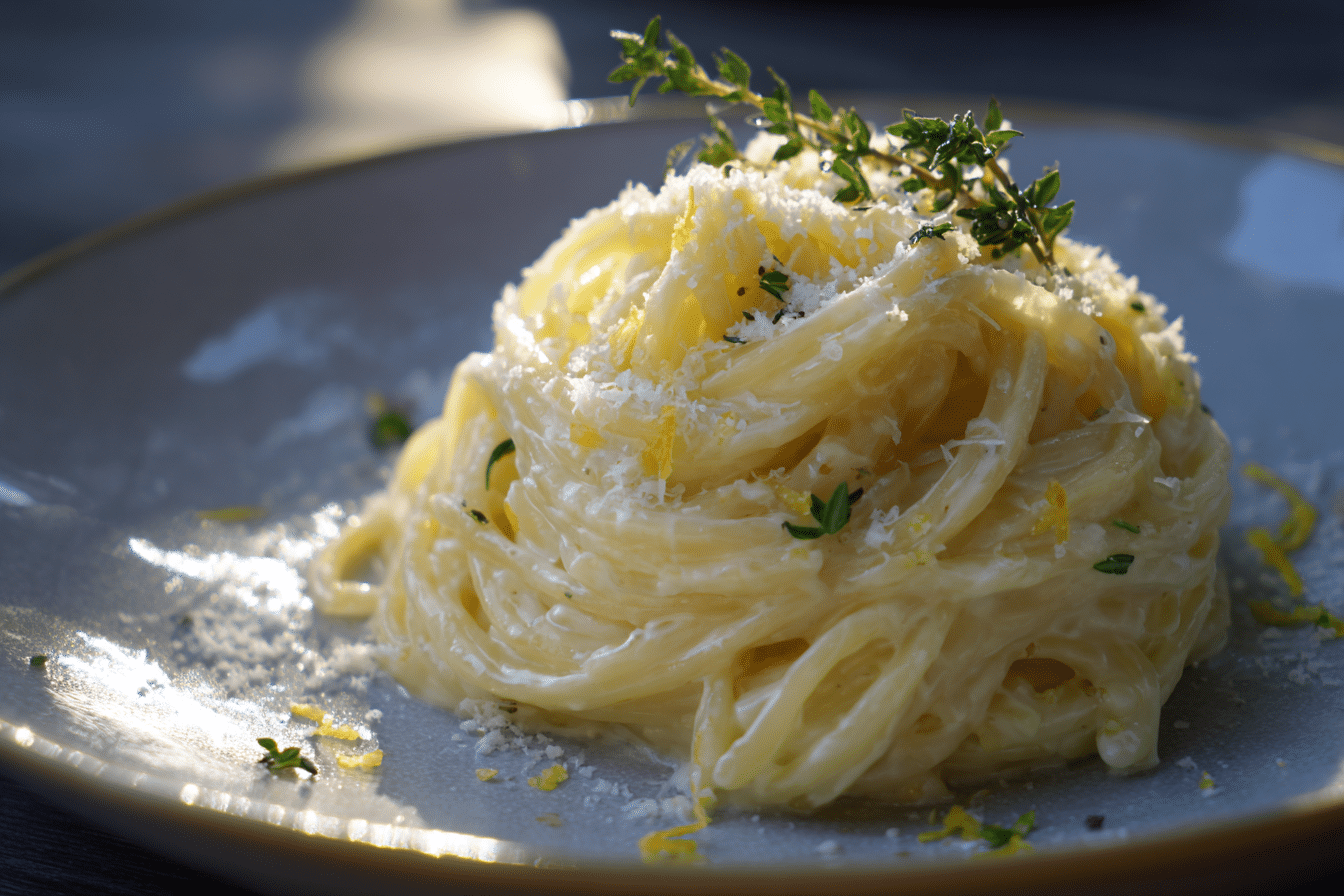
The key ingredients in Lemon Ricotta Pasta are fresh ricotta, lemons, pasta, Parmesan cheese, and olive oil. Ricotta cheese is crucial for providing the creamy base that binds the dish, offering a mild sweetness and velvety texture that contrasts with the bright acidity of lemon. Freshly grated lemon zest and juice are essential for a fragrant, tangy flavor; avoid bottled lemon juice as it can taste flat and overpower the delicate ricotta.
Pasta, preferably spaghetti or linguine, serves as the canvas for the sauce. Cooking it to al dente ensures a perfect bite that holds the sauce without becoming mushy. Parmesan cheese adds umami depth, enriching the dish with its nutty, salty character. Extra virgin olive oil is key for smoothness and flavor, allowing the sauce to coat each strand of pasta evenly. Garlic adds aromatic warmth, and fresh herbs such as basil or parsley bring a lively herbal note that complements the citrus.
Substitutions can work well without compromising flavor. For example, mascarpone can replace ricotta for a richer, silkier texture, and Pecorino Romano can substitute for Parmesan to intensify the tangy-salty profile. Whole-wheat or gluten-free pasta can be used for dietary preferences, and adding a touch of cream or butter can enhance the sauce’s silkiness. The interplay of these ingredients results in a pasta dish that is light yet indulgent, bright yet comforting—a true testament to simple ingredients creating extraordinary flavors.
Ingredients
12 ounces spaghetti or linguine
1 cup ricotta cheese, full-fat
1 large lemon, zested and juiced
1/2 cup freshly grated Parmesan cheese
2 tablespoons unsalted butter
2 tablespoons extra virgin olive oil
2 cloves garlic, minced
1/4 teaspoon red pepper flakes (optional for mild heat)
1/4 teaspoon salt, or to taste
1/4 teaspoon black pepper, freshly ground
1/4 cup fresh basil or parsley, chopped
1/4 cup reserved pasta cooking water
Step-by-Step Instructions
Start by bringing a large pot of salted water to a rolling boil. Cook the pasta according to package instructions until al dente. Be careful not to overcook; you want a firm bite that absorbs the sauce well. Before draining, reserve about 1/4 cup of pasta water to help adjust the sauce consistency later. Drain the pasta and set aside.
While the pasta cooks, heat olive oil and butter in a large skillet over medium heat. Add minced garlic and sauté for 1–2 minutes until fragrant, taking care not to burn it as garlic turns bitter quickly. If using red pepper flakes, add them now to infuse a subtle heat.
Lower the heat and stir in the ricotta cheese, followed by lemon zest and juice. Mix gently to avoid curdling the ricotta. Slowly add reserved pasta water, a tablespoon at a time, to achieve a smooth, creamy consistency that coats the pasta evenly. Season the sauce with salt and black pepper, tasting as you go to ensure a balanced flavor.
Add the drained pasta to the skillet, tossing carefully to combine. Sprinkle in the grated Parmesan, stirring until melted and fully incorporated into the sauce. The pasta should be creamy but not soupy, with a delicate sheen from the olive oil. Remove from heat and fold in chopped basil or parsley for a fresh, vibrant touch.
Transfer to serving plates, garnishing with extra Parmesan or a light drizzle of olive oil if desired. Pay attention to the sauce clinging to each strand; this is a sign you’ve achieved the perfect emulsion. Avoid over-stirring as it can break down the ricotta texture. Serve immediately for the most vibrant lemon flavor.
Tips, Variations & Substitutions
To enhance the flavor profile, consider adding a pinch of nutmeg or a few tablespoons of cream for extra richness. Lemon Ricotta Pasta pairs beautifully with roasted vegetables such as asparagus or cherry tomatoes, which add color and depth. For a protein boost, seared chicken, shrimp, or crispy pancetta can be incorporated seamlessly.
Dietary adjustments are easy. Use gluten-free pasta or whole wheat to accommodate preferences. Non-dairy ricotta alternatives are available, but full-fat dairy ricotta offers the most authentic, creamy texture. For a more herbaceous note, try fresh thyme or tarragon in place of basil or parsley. The key is balancing the lemon’s acidity with the creamy ricotta, so always taste and adjust seasoning gradually.
Leftovers can be stored in an airtight container in the refrigerator for up to two days. Reheat gently on low heat, adding a splash of water or cream to restore the creamy texture. This prevents the sauce from separating and keeps the pasta luscious.
Serving Ideas & Occasions
Lemon Ricotta Pasta is versatile for both casual and formal dining. Serve it alongside a crisp green salad or garlic bread for a cozy weeknight meal. For dinner parties, pair with roasted seasonal vegetables and a chilled glass of Sauvignon Blanc or Pinot Grigio to complement the lemony brightness.
This pasta is perfect for spring and summer menus when citrus and fresh herbs are at their peak. It’s also a lighter alternative to cream-heavy pasta dishes, making it suitable for brunches, lunches, or elegant evening dinners. The bright lemon flavor keeps it refreshing, while the ricotta provides a satisfying creaminess that appeals to all ages.
Nutritional & Health Notes
Lemon Ricotta Pasta balances indulgence and nutrition. Ricotta cheese is high in protein and calcium, supporting bone health, while olive oil provides heart-healthy monounsaturated fats. Lemons are rich in vitamin C, adding antioxidants and a bright flavor without additional calories.
Pasta delivers energy through complex carbohydrates, making it a satisfying meal. The addition of herbs contributes phytonutrients and freshness. While the dish is creamy, portion control ensures a wholesome meal without excess calories. Using whole-grain pasta increases fiber intake, and moderating the amount of cheese can reduce sodium without sacrificing taste. Overall, Lemon Ricotta Pasta offers a comforting, nutrient-conscious meal that satisfies both the palate and the body.
FAQs
Can I make Lemon Ricotta Pasta ahead of time?
Yes, Lemon Ricotta Pasta can be prepared in advance. Keep the sauce and pasta separate to maintain texture. Store in airtight containers in the refrigerator for up to two days. Reheat the sauce gently on low heat and toss with pasta, adding a splash of reserved pasta water to restore creaminess. Avoid microwaving on high, as this can cause ricotta to curdle.
Can I use mascarpone instead of ricotta?
Absolutely. Mascarpone creates an even richer, silkier sauce with a slightly sweeter flavor. Use the same quantity as ricotta, but reduce any additional cream or butter slightly to maintain balance. The lemon flavor remains the focal point, and the pasta will have a luxurious mouthfeel.
What pasta shapes work best?
Long strands like spaghetti, linguine, or fettuccine are ideal, as they allow the sauce to cling evenly. Short pasta such as penne or rigatoni can work, but ensure pieces are fully coated with sauce. Smaller shapes can alter the visual appeal but won’t affect taste if mixed thoroughly.
How do I prevent the sauce from curdling?
Cook on low heat when combining ricotta with lemon juice and pasta water. Stir gently and avoid high heat, which can cause the cheese to separate. Gradually adding pasta water helps maintain a smooth, creamy texture.
Can I add protein to Lemon Ricotta Pasta?
Yes, seared chicken, shrimp, or crispy pancetta pairs beautifully. Cook proteins separately and fold them in at the end. This keeps the sauce texture intact and allows each component to retain its flavor.
Is it possible to make it vegan?
For a vegan version, use plant-based ricotta, dairy-free Parmesan alternatives, and olive oil. Nutritionally, the dish remains satisfying, and lemon flavor continues to shine. Adjust seasoning as needed, particularly salt, to compensate for differences in cheese alternatives.
Can I freeze Lemon Ricotta Pasta?
Freezing is not recommended for best results. Ricotta texture can become grainy after thawing. It’s better to refrigerate for a short period and consume within two days. If freezing is necessary, freeze the sauce and pasta separately, and thaw slowly before gently reheating.
Print
Creamy, tangy Lemon Ricotta Pasta with bright citrus flavor and tender pasta strands.
Ingredients
12 ounces spaghetti or linguine
1 cup ricotta cheese, full-fat
1 large lemon, zested and juiced
1/2 cup freshly grated Parmesan cheese
2 tablespoons unsalted butter
2 tablespoons extra virgin olive oil
2 cloves garlic, minced
1/4 teaspoon red pepper flakes (optional)
1/4 teaspoon salt, or to taste
1/4 teaspoon black pepper, freshly ground
1/4 cup fresh basil or parsley, chopped
1/4 cup reserved pasta cooking water
Instructions
-
Bring a large pot of salted water to a boil and cook pasta until al dente. Reserve 1/4 cup pasta water and drain.
-
Heat olive oil and butter in a skillet over medium heat. Add garlic and sauté 1–2 minutes until fragrant. Add red pepper flakes if desired.
-
Lower heat and stir in ricotta, lemon zest, and juice. Add reserved pasta water gradually to achieve creamy consistency. Season with salt and pepper.
-
Toss drained pasta into the sauce. Stir in Parmesan until melted and sauce coats pasta. Fold in basil or parsley.
-
Serve immediately, garnishing with extra Parmesan or olive oil if desired.