
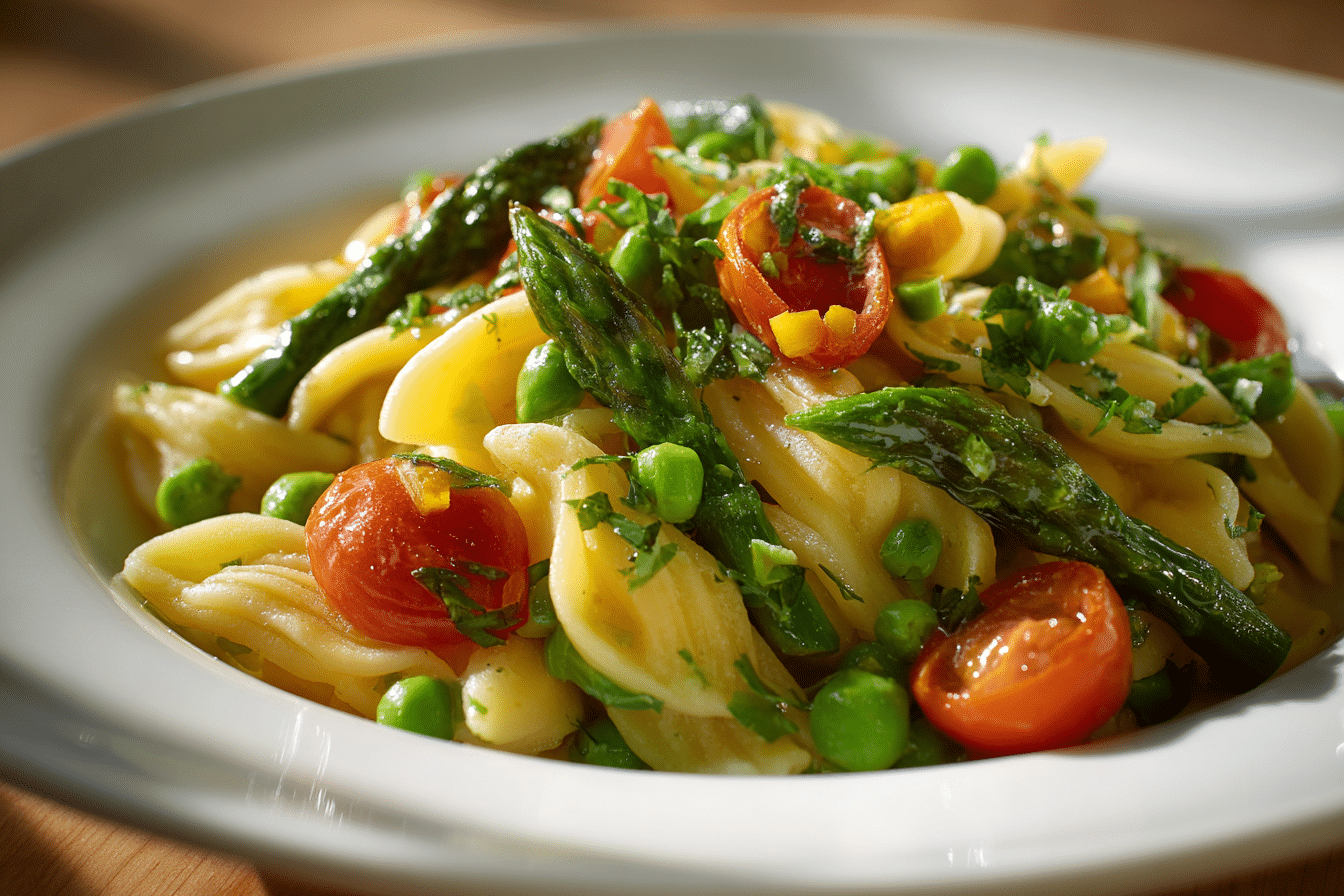
Spring Vegetable Pasta is a vibrant, colorful dish that brings the best of the season directly to your plate. With crisp vegetables, tender pasta, and a light, flavorful sauce, this recipe is perfect for a weekday dinner or a casual weekend gathering. The freshness of asparagus, peas, and zucchini combined with aromatic herbs and a hint of lemon makes this pasta not only visually appealing but also incredibly satisfying. Each bite delivers a delightful balance of textures and tastes, from the slight crunch of spring vegetables to the creamy finish of Parmesan cheese or a light olive oil drizzle. Spring Vegetable Pasta is a celebration of seasonal produce, making it both nourishing and inspiring to prepare.
Ingredients Overview
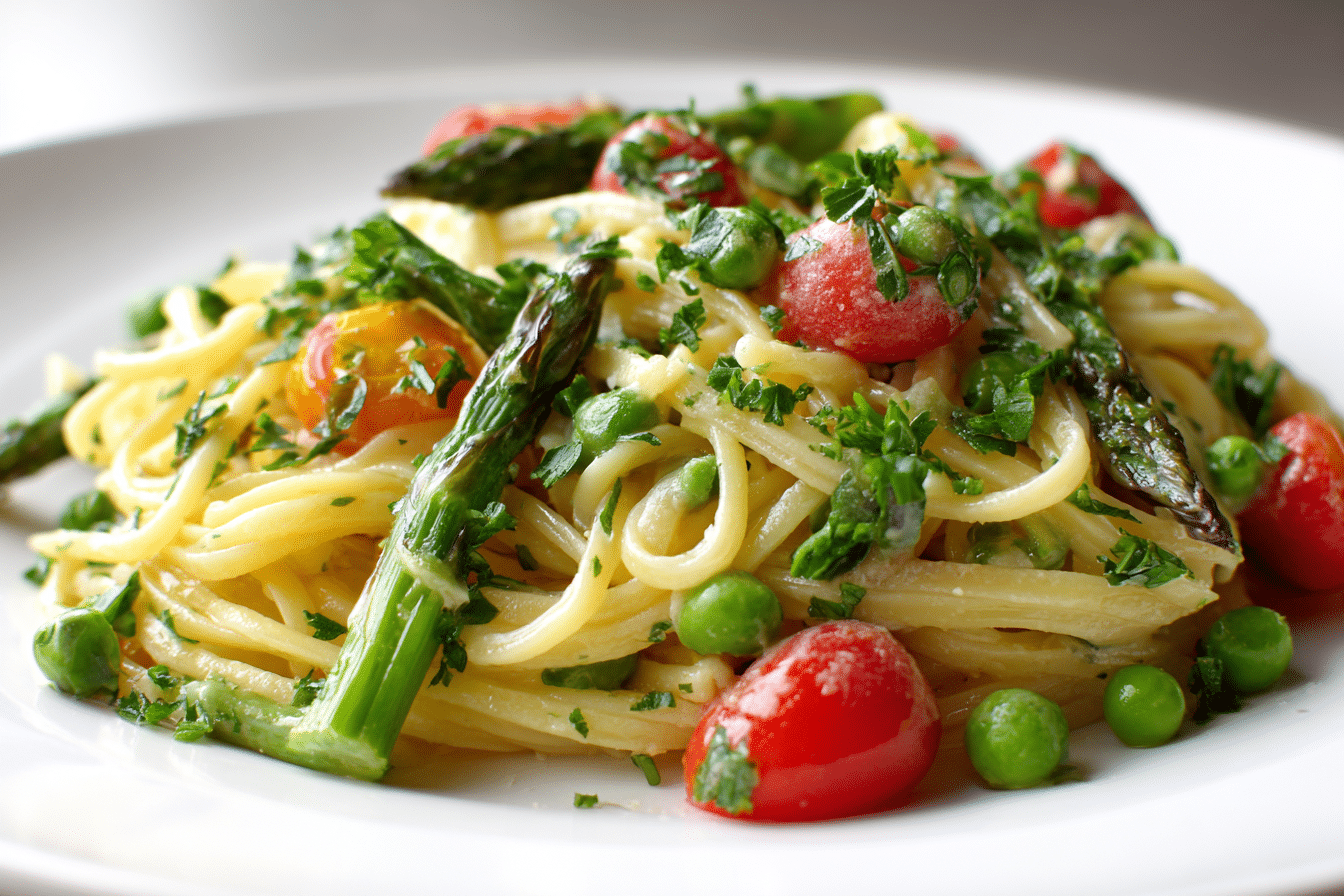
The key to a delicious Spring Vegetable Pasta lies in the selection of fresh, seasonal ingredients. Asparagus provides a subtle, earthy crunch, while peas add a natural sweetness that brightens the overall flavor. Zucchini offers a soft texture and mild taste, allowing the other ingredients to shine. Baby spinach or arugula can be added for a peppery note that contrasts beautifully with the creaminess of Parmesan cheese or ricotta. Fresh herbs like basil, parsley, or tarragon are essential to bring out the vibrant spring flavors, while garlic, shallots, and a splash of lemon juice elevate the aroma and depth of the dish.
High-quality pasta, preferably linguine or fettuccine, provides the ideal canvas for the vegetables and sauce to cling to. Olive oil is the primary cooking fat, lending a subtle fruity note that enhances the dish without overpowering it. For a richer option, a small amount of butter can be incorporated. If creaminess is desired, a touch of cream or mascarpone can be stirred in toward the end. Salt and freshly cracked black pepper are simple but essential for balancing the flavors.
Substitutions are straightforward. Broccoli or green beans can replace asparagus, while sugar snap peas are a nice alternative to standard peas. For those avoiding dairy, nutritional yeast can mimic the umami of Parmesan, and plant-based cream can replace traditional dairy cream. The ingredients work harmoniously, creating a springtime melody of flavors that is light yet deeply satisfying.
Ingredients
8 ounces linguine or fettuccine
1 tablespoon olive oil
2 cloves garlic, minced
1 small shallot, finely chopped
1/2 pound asparagus, trimmed and cut into 2-inch pieces
1/2 cup fresh peas or sugar snap peas
1 small zucchini, sliced into thin half-moons
2 cups baby spinach or arugula
1/4 teaspoon crushed red pepper flakes (optional)
1/4 cup freshly grated Parmesan cheese (or plant-based alternative)
2 tablespoons unsalted butter (optional)
1 teaspoon lemon zest
2 tablespoons fresh lemon juice
Salt and freshly ground black pepper, to taste
2 tablespoons fresh basil, chopped
1 tablespoon fresh parsley, chopped
Step-by-Step Instructions
Begin by bringing a large pot of salted water to a boil. Add the linguine or fettuccine and cook according to the package instructions until al dente. Reserve 1/2 cup of the pasta water before draining, as this will help adjust the sauce consistency later. While the pasta cooks, prepare the vegetables. Trim the asparagus and cut into uniform pieces to ensure even cooking. Slice the zucchini into thin half-moons, and if using sugar snap peas, trim the ends.
In a large skillet, heat the olive oil over medium heat. Add the minced garlic and chopped shallot, sautéing for 1–2 minutes until fragrant but not browned. Add the asparagus and cook for 3–4 minutes, stirring occasionally, until tender-crisp. Stir in the peas and zucchini, cooking for another 2–3 minutes. If you enjoy a bit of heat, sprinkle in the crushed red pepper flakes.
Reduce the heat to low and add the baby spinach or arugula, stirring until wilted. Incorporate the butter if using, and then add the cooked pasta directly into the skillet. Toss everything together, adding reserved pasta water a little at a time to achieve a silky sauce that coats the noodles evenly. Stir in the lemon zest, lemon juice, and half of the grated Parmesan cheese. Season with salt and freshly cracked black pepper to taste.
Remove from heat and garnish with the remaining Parmesan, fresh basil, and parsley. For an extra touch of brightness, drizzle a little more olive oil over the top before serving. Common mistakes to avoid include overcooking the vegetables, which can make them mushy, and adding too much pasta water, which can dilute the flavors. The result should be a vibrant, slightly crisp, and flavorful spring pasta that feels fresh and lively.
Tips, Variations & Substitutions
To make your Spring Vegetable Pasta even more exciting, experiment with different vegetables. Baby carrots, radishes, or artichoke hearts can bring new textures and flavors. For a protein boost, add cooked shrimp, grilled chicken, or pan-seared tofu. A touch of cream or mascarpone cheese can add richness if desired, though the dish is delightful even with just olive oil and butter.
For those following a gluten-free diet, substitute your pasta with gluten-free linguine or spiralized vegetables like zucchini noodles. Vegan adaptations are simple—use plant-based butter or omit it entirely, and replace Parmesan with nutritional yeast for a nutty, cheesy flavor.
Fresh herbs are key for a spring-inspired flavor profile. While basil and parsley are classic, mint or tarragon can add a surprising freshness that elevates the dish. A drizzle of high-quality extra-virgin olive oil at the end enhances aroma and adds a glossy finish. Balancing acidity with lemon juice or a splash of white wine ensures the pasta feels bright and lively, without overpowering the natural sweetness of the vegetables.
Serving Ideas & Occasions
Spring Vegetable Pasta pairs wonderfully with light side dishes and crisp beverages. A simple arugula salad with lemon vinaigrette complements the flavors beautifully, while a crusty baguette helps soak up any remaining sauce. For drinks, a chilled white wine such as Sauvignon Blanc or Pinot Grigio highlights the freshness of the vegetables. Sparkling water with a twist of lemon is a refreshing non-alcoholic option.
This pasta works well for casual lunches, dinner parties, or even a cozy night in. It’s colorful and elegant enough to impress guests while remaining easy and approachable for everyday cooking. Leftovers can be stored in an airtight container in the refrigerator for 1–2 days and reheated gently to preserve the texture of the vegetables.
Nutritional & Health Notes
Spring Vegetable Pasta is light yet satisfying, offering a good balance of carbohydrates, vitamins, and minerals. The pasta provides energy, while vegetables contribute fiber, antioxidants, and essential nutrients such as vitamin C, vitamin K, and folate. Olive oil adds heart-healthy monounsaturated fats, and a small amount of cheese offers protein and calcium.
Adjusting the amount of butter or cheese allows for a lighter or more indulgent version. Using whole-grain pasta increases fiber content, promoting fullness and digestive health. For a low-sodium option, reduce added salt and rely on herbs and lemon juice to enhance flavor. The dish is naturally colorful, low in added sugars, and can be adapted to suit vegetarian, vegan, or gluten-free diets, making it a versatile choice for a health-conscious meal.
FAQs
Can I use frozen vegetables instead of fresh?
Yes, frozen vegetables can be used, but it’s best to slightly undercook them to maintain texture. Frozen peas and asparagus can be added directly to the skillet, but reduce the cooking time by 1–2 minutes. Avoid overcooking, as frozen vegetables can release extra water, which may dilute the sauce.
What pasta works best for Spring Vegetable Pasta?
Long, thin pasta like linguine or fettuccine is ideal, as it allows the vegetables and sauce to cling well. Penne or farfalle can also be used, but the texture will be slightly different. Whole-grain or gluten-free pasta can be substituted without sacrificing flavor.
Can I make this dish ahead of time?
Yes, you can prep the vegetables and even cook the pasta in advance. Store them separately in airtight containers and combine them just before serving. This helps preserve the texture and freshness of the vegetables.
How do I keep the vegetables crisp?
Cook the vegetables over medium heat until just tender-crisp. Avoid overcooking, and add leafy greens like spinach at the very end to prevent wilting. Using a hot skillet helps sear vegetables lightly while keeping their vibrant color.
Can I add protein to this pasta?
Absolutely. Grilled chicken, shrimp, or sautéed tofu pairs beautifully with spring vegetables. Add proteins toward the end of cooking so they stay tender and flavorful.
What can I use instead of Parmesan cheese?
For a dairy-free option, nutritional yeast provides a nutty, cheesy flavor. Vegan Parmesan alternatives or finely ground cashews can also be used to achieve a similar taste and texture.
How do I make the sauce creamy without using cream?
Tossing the pasta with a bit of butter and reserved pasta water creates a silky, light sauce. You can also blend a small portion of cooked vegetables into a puree and mix it into the pasta for added creaminess without dairy.
Print
A vibrant spring pasta featuring fresh asparagus, peas, zucchini, and herbs in a light, flavorful sauce.
Ingredients
8 ounces linguine or fettuccine
1 tablespoon olive oil
2 cloves garlic, minced
1 small shallot, finely chopped
1/2 pound asparagus, trimmed and cut into 2-inch pieces
1/2 cup fresh peas or sugar snap peas
1 small zucchini, sliced into thin half-moons
2 cups baby spinach or arugula
1/4 teaspoon crushed red pepper flakes (optional)
1/4 cup freshly grated Parmesan cheese (or plant-based alternative)
2 tablespoons unsalted butter (optional)
1 teaspoon lemon zest
2 tablespoons fresh lemon juice
Salt and freshly ground black pepper, to taste
2 tablespoons fresh basil, chopped
1 tablespoon fresh parsley, chopped
Instructions
-
Bring a large pot of salted water to a boil. Cook the pasta according to package instructions until al dente. Reserve 1/2 cup pasta water and drain.
-
Heat olive oil in a large skillet over medium heat. Sauté garlic and shallot for 1–2 minutes until fragrant.
-
Add asparagus and cook 3–4 minutes until tender-crisp. Stir in peas and zucchini for 2–3 minutes. Add red pepper flakes if using.
-
Reduce heat to low and add spinach or arugula, tossing until wilted. Stir in butter if desired.
-
Add cooked pasta to the skillet. Toss together, adding reserved pasta water as needed for a silky sauce.
-
Stir in lemon zest, lemon juice, and half of the Parmesan cheese. Season with salt and black pepper.
-
Remove from heat and garnish with remaining Parmesan, basil, and parsley. Drizzle olive oil if desired.